“`html
Hello, eco-conscious friends! Today, I’m diving into a topic that’s both timely and transformative: sustainable food packaging. With the growing need to address plastic pollution and climate change, our dining habits and food packaging choices play a crucial role. It’s one simple way we can all make a big impact by reducing waste and embracing eco-friendly alternatives. Let’s explore some of the most innovative materials that can reshape the way we think about sustainability and convenience.
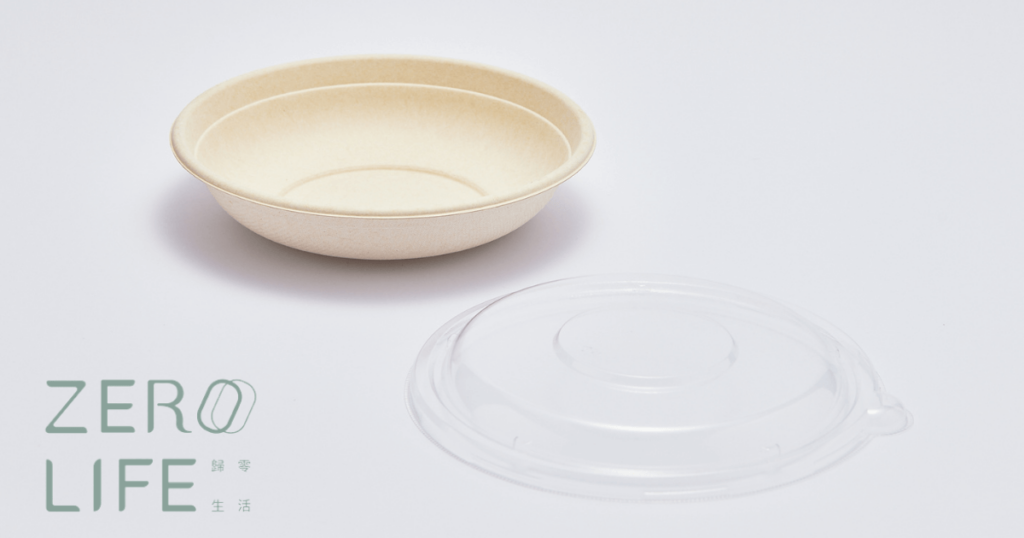
When it comes to sustainable food packaging, plant fiber meal boxes are steadily gaining global traction. Why? They’re biodegradable, compostable, and made from renewable resources like sugarcane, wheat straw, and bamboo. This means they minimize waste and reduce our dependence on petroleum-based plastics. Whether you’re a restaurant owner, a food truck connoisseur, or someone who loves hosting eco-friendly gatherings, plant fiber meal boxes are a practical solution for reducing your environmental footprint without compromising quality or functionality.
10 Innovative Sustainable Food Packaging Materials You Should Consider
1. Plant Fiber Meal Boxes
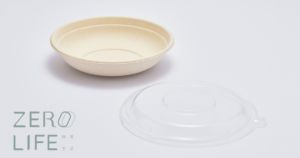
Plant fiber meal boxes are my absolute favorite eco-friendly packaging material. These are crafted from agricultural by-products like sugarcane bagasse, wheat straw, or bamboo fiber. Not only are they fully biodegradable, but they also break down much faster than traditional plastics, making them a top choice for reducing overall waste.
Why are plant fiber boxes so effective? Beyond their compostability, they are durable enough to hold heavy and wet meals, making them perfect for food service businesses or meal prep. I’ve personally used these at parties, and they were a hit! Here are some key benefits:
- Heat-resistant and microwave-safe.
- Can handle both hot and cold foods.
- Breaks down in industrial composting facilities within 90 days.
If you’re a business owner, switching to plant fiber meal boxes can be a great opportunity to demonstrate your commitment to sustainability. Customers increasingly value eco-conscious brands!
2. Edible Packaging
Yes, you read that right—packaging you can eat! Made from materials like rice paper, seaweed, or starch-based films, edible packaging completely eliminates waste because you or your customers can consume it after finishing their meal.
Popular examples of edible packaging include:
- Rice paper wraps for candies or snacks.
- Seaweed pouches for sushi or savory dishes.
- Starch-based films around single-serving portions of items like sauces or soup cubes.
This innovative solution is especially ideal for small-scale food products like candies and snacks. However, it still faces challenges with mass adoption, primarily concerning moisture resistance. Yet, it’s an inspiring concept that holds immense promise for the future of packaging!
Why Sustainable Food Packaging Matters
It’s no secret that single-use plastics are wreaking havoc on our planet. From overflowing landfills to marine pollution, the environmental damage caused by traditional packaging is staggering. Switching to sustainable alternatives doesn’t just curb pollution—it conserves energy, reduces carbon emissions, and supports a circular economy.
Consider these eye-opening statistics:
- Plastic accounts for 12% of global solid waste production.
- Only 9% of all plastic waste generated worldwide gets recycled.
- A staggering 8 million tons of plastic waste end up in the ocean annually.
By embracing sustainable food packaging materials, we have the power to change this narrative. And the best part? Many of these options are readily available and increasingly affordable!
3. Mushroom Packaging
One of the most surprising eco-innovations I’ve come across is mushroom packaging. Made from agricultural waste and mycelium (the root structure of fungi), this material is an excellent biodegradable alternative to Styrofoam. It’s lightweight, strong, and fully compostable.
Brands like Ecovative are already leading the way in producing mushroom-based packaging solutions for items like electronics and fragile goods. Imagine this—your food delivery comes neatly packed in a sturdy box grown from mushrooms. Once done, you can toss it in your compost bin, where it decomposes within 30-90 days!
Applications of mushroom packaging include:
- Takeout containers for restaurants.
- Protective cartons for glass or fragile items.
- Eco-friendly meal boxes for catering services.
4. Seaweed-Based Packaging
If you’re a sushi lover like me, you’ll appreciate seaweed not just as a food ingredient but also as a sustainable packaging material. Seaweed grows rapidly with no need for fertilizers or fresh water, making it a highly efficient and renewable resource.
Benefits of seaweed-based packaging:
- Zero-waste—can be edible depending on the design.
- Water-soluble options available for certain applications.
- Not reliant on land-based agriculture.
Some companies are even producing sauce packets and single-serving condiments from seaweed. These could soon replace the tiny plastic packets widely used for ketchup and other condiments. Who knew seaweed could be so versatile?
5. Paper and Cardboard Packaging (From Recycled Sources)
While paper and cardboard are old-school materials, they’re eco-friendly staples for a reason. When sourced from recycled or FSC-certified materials, they make for an excellent biodegradable alternative to plastic packaging.
Ideas for usage:
- Sandwich wrap sleeves for cafes or bakeries.
- Takeout food containers lined with plant-based coatings.
- Gift or retail boxes with custom printing for eco-friendly branding.
It’s crucial, however, that paper and cardboard packaging be free of harmful coatings (like polyethylene) to remain compostable and eco-friendly.
The Benefits of Transitioning to Sustainable Food Packaging
- Reduced Environmental Impact: Biodegradable materials minimize waste and lower greenhouse gas emissions during disposal.
- Cost-Effectiveness: Many sustainable packaging materials are becoming cheaper as demand increases and production scales up.
- Enhanced Brand Reputation: Adopting eco-friendly practices can attract sustainability-conscious consumers and build brand loyalty.
- Healthier Future: Sustainable packaging reduces the microplastic pollution that enters our oceans, ecosystems, and food supply.
Adopting sustainable food packaging isn’t just an environmental choice—it’s a smarter business decision and a moral responsibility. When we make mindful consumption choices, we’re investing in a cleaner, greener future for ourselves and future generations.
Final Thoughts on Sustainable Food Packaging
Whether you’re looking to switch to mushroom-based packaging, embrace plant fiber meal boxes, or explore the possibilities of seaweed, now is the time to act. Sustaining our planet starts with small, collective efforts, and sustainable food packaging is one of the easiest ways to make a difference.
So why not start today? Whether you’re a business owner, a parent packing school lunches, or someone passionate about eco-friendly living, take the leap into sustainable food packaging materials. Together, we can reshape the way we consume and reduce our environmental impact—one box, wrapper, or edible pouch at a time!
“`