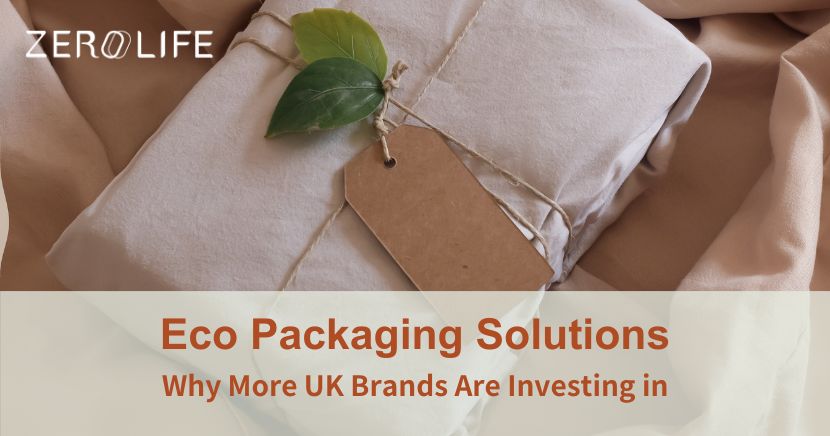
Let’s face it: sustainability isn’t just a buzzword anymore—it’s a necessity. With the ever-growing concerns about plastic pollution and climate change, I’ve noticed a significant shift in how businesses and individuals consume and dispose of packaging. This is especially true in the UK, where eco-friendly solutions like plant fiber meal boxes and biodegradable materials are gaining traction. For me, it’s a no-brainer. Why stick with non-recyclable options when we can choose packaging that’s better for the planet and, in many ways, more practical?
In today’s post, I’ll break down why more UK brands are turning to eco packaging UK solutions and why this trend is making waves internationally. From the undeniable environmental benefits to the practical perks of plant fiber meal boxes, sustainable living is easier and more accessible than you might think. Stick with me as I share actionable insights and examples that showcase how these eco-friendly practices are transforming modern brands.
Why Eco Packaging UK Solutions Are a Game-Changer
One of the main reasons eco packaging is making waves in the UK is its ability to tackle a growing global crisis: plastic waste. Every year, millions of tonnes of plastic waste end up in landfills and oceans, causing irreparable damage to the planet. As someone committed to living a greener life, I can’t stress enough how vital it is to adopt alternatives like plant fiber meal boxes that not only reduce waste but are also compostable.
Environmental Benefits of Switching to Plant Fiber Meal Boxes
The shift from traditional packaging materials to plant fiber meal boxes offers a wealth of environmental advantages. Consider this:
- These boxes are made from renewable plant-based materials like sugarcane bagasse or wheat straw.
- They are biodegradable and compostable, breaking down naturally without releasing harmful toxins.
- Unlike single-use plastics, they don’t contribute to microplastic pollution.
For me, one of the highlights is how seamlessly these solutions integrate into daily life. Whether it’s takeaways, meal prep, or retail products, plant fiber packaging is just as functional as its less sustainable counterparts.
Meeting Consumer Expectations for Sustainability
It’s not surprising that UK consumers have higher expectations for brands to act responsibly. Research confirms that buyers are more likely to trust and purchase from companies that prioritize eco-friendly practices. And here’s something I’ve noticed: brands adopting eco packaging aren’t just reducing waste—they’re also creating emotional connections with their customers.
From my perspective, a business that demonstrates care for the planet instantly stands out. It’s an unspoken message: “We care about you, your family, and the world you live in.” Isn’t that the kind of brand you want to support?
How UK Brands Are Leading the Way in Eco Packaging Innovation
So, why has this trend picked up pace in the UK? It all comes down to innovation, support, and awareness. The British government is actively promoting sustainable practices, offering incentives for businesses that adopt greener alternatives. Combine that with the growing number of eco-conscious consumers, and it’s easy to see why eco packaging solutions are booming.
Top Examples of Plant Fiber Packaging Across Industries
Let me share some examples of how plant fiber boxes are reshaping industries:
- Fast Food Chains: Major UK players like McDonald’s and Costa Coffee are already integrating plant-based packaging to reduce their environmental footprint.
- Retail and E-commerce: Online retailers are packing your purchases in biodegradable boxes rather than bubble wrap or plastic envelopes.
- Meal Delivery Services: Services like HelloFresh are switching to compostable packaging for meal kits, making recycling easier for subscribers.
Each of these changes represents a step forward, which is incredibly encouraging. For me, it’s proof that eco-friendly packaging isn’t just an ethical choice—it’s a practical one too.
Benefits I’ve Personally Experienced with Plant Fiber Meal Boxes
Whenever I need to pack leftovers or bring food on the go, I use plant fiber meal boxes. Here’s why:
- Durability: These boxes are strong and hold up well against liquids or heat.
- Eco-friendly disposal: I don’t have to feel guilty about tossing them out—they biodegrade naturally.
- Convenience: They are freezer-safe and microwaveable, which means I don’t need to switch containers.
Honestly, the switch has been a complete game-changer and aligns perfectly with my efforts to live more sustainably. I’ve even noticed friends and family making similar changes after I introduced them to these options.
How to Get Started with Eco Packaging (Even if It’s New to You)
If you’re unsure where to begin, don’t worry—it’s easier than you think. Here are three actionable steps to make the transition to eco packaging solutions:
- Research Local Brands: Look for UK-based brands leading in plant fiber or compostable packaging. They’re often transparent about their materials and processes.
- Start Small: If you’re a business owner, begin by replacing a portion of your packaging with sustainable alternatives and gauge customer responses.
- Opt for Certified Products: Ensure the packaging you choose is certified for compostability and meets sustainability standards.
Trust me, even small changes can have a ripple effect. Whether you’re running a business or just making personal swaps, you’re contributing to a larger movement that impacts the planet in a positive way.
The Future of Eco Packaging UK: What’s on the Horizon?
The growing demand for eco packaging in the UK is pushing innovation to exciting new heights. Biodegradable plastics made from algae, zero-waste delivery systems, and reusable container programs could soon become the norm. For me, these advancements are a clear indicator that sustainability isn’t just a passing trend—it’s a future-focused movement.
I believe this shift will encourage larger brands worldwide to follow suit and embrace eco-friendly solutions. After all, if the UK can lead the charge, there’s no reason others shouldn’t join the mission to reduce plastic waste.
Why The Time for Action Is Now
To wrap things up, I want to leave you with this thought: every action we take today shapes the future we leave behind. By choosing eco packaging, we’re not just keeping up with evolving trends—we’re taking responsibility for our planet. Whether you’re an individual or a brand, there’s never been a better time to rethink your packaging choices.
What do you think? Are you ready to make the switch to eco packaging solutions? I’d love to hear your thoughts in the comments!