
As someone who deeply cares about both the environment and enjoying delicious meals on the go, I’ve grown more and more interested in the impact of packaging choices. Traditional plastic containers and wrappers often feel convenient but come at a huge environmental cost. That’s why I’ve been exploring eco-friendly packaging for food, particularly plant fiber meal boxes, which I believe are revolutionizing sustainable dining all over the world.
Eco-friendly packaging for food is transforming the way we think about dining sustainably. Plant fiber meal boxes are leading the charge, offering an environmentally responsible alternative to plastic and Styrofoam containers. These biodegradable options not only reduce waste but also enhance the overall dining experience. With their durability, easy usability, and compostable materials, they’re the perfect choice for individuals and businesses striving to live and operate sustainably without compromising on convenience or quality.
The Importance of Eco-Friendly Packaging for Food
Reducing plastic waste has never been more important. With millions of tons of plastic polluting our ecosystems yearly, making the switch to eco-friendly packaging for food is an actionable way to make a tangible difference. Traditional plastic packaging takes hundreds of years to decompose and releases microplastics into the environment, harming animals, plants, and even our health. By embracing sustainable packaging solutions, we can actively contribute to a cleaner planet.
Practical Solutions That Are Changing the Game
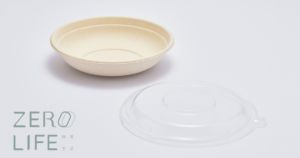
Plant fiber meal boxes are an ingenious way to rethink food packaging. Made from renewable materials like sugarcane bagasse, bamboo fiber, or wheat straw, these containers naturally break down in composting conditions. Unlike plastic or Styrofoam, they come from materials that would otherwise go to waste, turning byproducts into useful, eco-friendly solutions.
Here are some key benefits of choosing plant fiber meal boxes:
- They decompose within a few months, leaving no toxic residue.
- Since they’re derived from plants, their production has a lower carbon footprint compared to petroleum-based plastics.
- Many options are heat-resistant and microwave-safe, making them just as functional as traditional packaging.
- They’re lightweight but durable enough to handle a wide range of food types.
What’s even better is that these packaging solutions are not limited to consumers. Restaurants, caterers, and food delivery services around the globe are also seeing the benefits of switching to plant fiber options.
How Businesses Can Adopt Eco-Friendly Packaging for Food
For restaurants and food service providers, adopting sustainable packaging can be a smart business move. Here are a few steps businesses can take:
- Evaluate Your Packaging Needs: Take stock of the items your business uses most, from meal containers to cutlery, and identify which eco-friendly alternatives fit these needs.
- Partner with Responsible Suppliers: Look for vendors who specialize in sustainable packaging made from plant fibers or other biodegradable materials.
- Educate Your Customers: Include signage or information that highlights your shift to eco-friendly packaging and explains its benefits. This can enhance customer loyalty and attract like-minded diners.
- Compost Waste When Possible: Offer composting options for used containers if your local waste management supports it, or encourage customers to compost at home.
By making these changes, food businesses demonstrate their commitment to environmental responsibility and stand out as leaders in sustainable dining practices.
Setting a New Standard for Takeout and Delivery
With food delivery and takeout becoming increasingly popular, eco-friendly packaging for food is more essential than ever. The convenience of delivery should never come at the cost of damaging the planet. Plant fiber meal boxes are perfectly suited to meet this need. They can be securely sealed to prevent leakage, keep food warm, and maintain freshness—qualities that are non-negotiable for today’s discerning consumers.
If you enjoy ordering meals from your favorite restaurant, consider supporting businesses that use biodegradable or compostable packaging. If you’re unsure whether a restaurant uses sustainable materials, don’t hesitate to ask or suggest it. Every small effort helps normalize this switch in the global food industry.
Why Eco-Friendly Packaging for Food Matters on a Global Scale
The impact of sustainable packaging goes far beyond individual use. Globally, the packaging industry is massive, contributing significantly to plastic production and waste. When we embrace eco-friendly packaging for food, we collectively reduce reliance on nonrenewable resources like petroleum. This shift ultimately supports international goals to combat climate change and reduce landfill waste.
Consider these statistics:
- The Ellen MacArthur Foundation reports that only 14% of the world’s plastic packaging is collected for recycling, while a staggering 8 million tons of plastic enter the oceans annually.
- Compostable packaging, such as plant fiber meal boxes, can reduce organic waste in landfills, cutting down on methane emissions—a powerful greenhouse gas.
- Embracing renewable materials for packaging conserves finite resources, ensuring they’re preserved for future generations.
On a personal level, I find it empowering to know that my small choices—whether it’s refusing a plastic straw or buying meals wrapped in plant-based materials—contribute to a larger movement. Sustainability isn’t one big decision; it’s built on a series of small, consistent actions.
How You Can Make a Change
If you’re wondering how to start integrating eco-friendly packaging in your daily routine, here are a few ideas that are easy to implement:
- When ordering takeout, ask restaurants if they offer sustainable packaging—or suggest it as a valuable option.
- Switch to reusable containers for meal prep at home and avoid single-use plastics completely.
- Shop from brands and businesses that prioritize sustainability in their supply chains.
- Encourage your local food scene to adopt eco-friendly practices by leaving thoughtful reviews or promoting sustainable spots on social media.
Every step matters when it comes to reducing waste. By actively choosing environmentally responsible products, you’re showing others that sustainability is a priority for our shared future.
Final Thoughts on Eco-Friendly Packaging for Food
Switching to eco-friendly food packaging is more than a trend—it’s a necessary shift toward a cleaner, healthier planet. Plant fiber meal boxes, with their innovative designs and minimal environmental footprint, are proving that sustainability is achievable, even in the fast-paced world of modern dining. Whether you’re making personal changes at home or supporting businesses adopting sustainable practices, your choices fuel this positive change.
Let’s make this movement a global standard and normalize sustainable dining practices for everyone, everywhere.