What Makes a Good Eco-Friendly Packaging Material?
Every time I throw away a food container or unwrap a package, I think about where that waste will end up. Will it biodegrade, or will it sit in a landfill for eternity? For all of us striving to live more sustainably, choosing eco-friendly packaging materials isn’t just a trend—it’s a necessity. It’s about making thoughtful decisions that help reduce plastic waste, conserve resources, and protect the environment for future generations.
Why Eco-Friendly Packaging Materials Matter
When thinking about sustainability in daily life, packaging is a critical piece of the puzzle. From the groceries we buy to takeout meals, packaging is everywhere. Switching to eco-friendly alternatives not only reduces reliance on harmful plastics but also cuts down on the carbon emissions associated with waste disposal. Among these alternatives, plant fiber meal boxes are emerging as a standout solution. Let me explain why industry experts are calling them a game changer.
What Are Plant Fiber Meal Boxes Made Of?
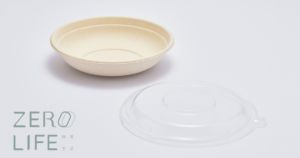
Plant fiber meal boxes are crafted from natural byproducts like sugarcane bagasse, wheat straw, bamboo, and even certain types of grasses. Instead of using petroleum-based plastics, these materials are renewable and biodegradable, meaning they naturally break down into organic matter without harming the environment.
The Environmental Benefits of Plant Fiber Meal Boxes
Switching to plant fiber meal boxes offers undeniable advantages for the planet, ranging from lower pollution levels to better waste management.
- Fully Biodegradable: Unlike traditional plastics, which can take hundreds of years to decompose, plant fiber packaging materials break down within just a few weeks to months under composting conditions.
- Non-Toxic: No harmful chemicals seep into soil or water when disposed of, ensuring they’re safe for ecosystems.
- Made from Renewable Resources: Sugarcane, bamboo, and wheat straw regenerate quickly, offering a sustainable supply chain.
- Lower Carbon Footprint: Because the materials are derived from agricultural waste, they use significantly less energy to produce compared to plastics.
Eco-Friendly Packaging Material in Everyday Life
I’ve started integrating eco-friendly packaging into my day-to-day activities, and the benefits are remarkable. Whether I’m meal prepping at home or ordering takeout, I’ve discovered just how practical plant fiber meal boxes are. Here’s how you, too, can start making the switch.
1. Perfect for On-the-Go
Plant fiber meal boxes are a fantastic choice when you need food packaging for takeout or busy days. They’re lightweight yet durable, capable of holding both hot and cold foods without leaking or warping. Restaurants and cafes are starting to embrace these as an alternative to styrofoam or plastic containers, so I always check if my favorite spots offer them.
2. Compost at Home
Did you know you can compost most plant fiber meal boxes in your home compost bin? Unlike plastics, these materials break down naturally within weeks, turning into nutrient-rich soil you can use in your garden. Just ensure they’re free of food residue before tossing them in!
3. Host an Eco-Friendly Gathering
Whether it’s a backyard barbecue or a family picnic, disposable plant fiber plates and meal boxes make cleaning up easier without the guilt. They maintain sturdiness throughout your event and won’t contribute to long-term waste.
How to Choose the Best Eco-Friendly Packaging Material
When selecting eco-friendly options, it’s important to assess their environmental impact, functionality, and convenience. Here are three critical factors to consider:
- Material Composition: Look for packaging made from 100% plant-based materials like sugarcane bagasse or bamboo to ensure it’s biodegradable and sustainable.
- Certifications: Check for certifications like “BPI Certified Compostable” or “FSC Certified” to guarantee the material meets environmental standards.
- End-of-Life Options: Consider whether the packaging can be easily composted or recycled in your area.
Brands Leading the Way
Thankfully, more companies are stepping up to offer sustainable packaging solutions. Brands like World Centric and Biopak are setting the standard by prioritizing renewable resources, ethical manufacturing, and eco-friendly disposal methods. Choosing these brands not only supports your values but also encourages others to adopt greener practices.
A Global Responsibility
Plastic pollution knows no borders, which is why adopting eco-friendly packaging needs to be a global effort. By opting for materials like plant fiber meal boxes, we contribute to solutions that combat waste, reduce deforestation, and lower greenhouse gas emissions. Small actions like making mindful packaging choices can have ripple effects that reach far beyond our personal lives.
How You Can Get Involved
Living more sustainably starts with awareness, but it doesn’t stop there. Simple changes like carrying reusable containers, supporting businesses that use eco-friendly packaging, and reducing single-use plastics can make a significant difference. Every purchase we make is a vote for the kind of future we want.
Final Thoughts: Choosing the Right Eco-Friendly Packaging Material
After exploring the practical advantages of plant fiber meal boxes, I can confidently say that they’re a step in the right direction for sustainable living. Not only are they versatile and biodegradable, but they also align with global efforts to reduce plastic waste and mitigate environmental damage.
As we face growing environmental challenges, embracing materials like plant fiber packaging moves us closer to a more sustainable future. It’s not always about perfection—it’s about progress. Together, one choice at a time, we can build a cleaner and greener planet for generations to come.