
Hi there! If you’re anything like me, you’re probably always on the hunt for smarter, more sustainable ways to reduce your environmental footprint. Packaging waste is a huge global issue—every single day, plastic waste piles up in landfills and oceans. But what if there was a better alternative, one that’s renewable, biodegradable, and eco-friendly? Enter bamboo pulp packaging! Today, I’ll take you through why bamboo pulp has emerged as a promising solution and why it could be the best eco-alternative to traditional packaging.
Bamboo pulp packaging is taking the world by storm, and for good reason. Made from fast-growing, renewable bamboo, this material is not only environmentally sustainable but also durable, lightweight, and cost-effective. It’s already being used for everything from food containers to shipping materials—and with its ability to replace single-use plastics, it’s turning heads in the sustainability community. Let’s dive deeper into what makes bamboo pulp packaging such a revolutionary choice for eco-conscious living.
Why Bamboo Pulp Uses in Packaging Stand Out
Bamboo is one of the most sustainable resources on Earth. Its rapid growth and versatility make it an ideal raw material for eco-friendly packaging. But why should packaging companies—and consumers like us—place our bets on bamboo pulp? Let’s break it down.
1. Fast Growth and Renewability
Bamboo is a grass, not a tree, and it grows incredibly quickly—some species can grow up to three feet in a single day! This unique characteristic makes it far more renewable than traditional materials like wood or petroleum-based plastics.
2. Biodegradable and Compostable
One of the greatest perks of bamboo pulp packaging is its biodegradability. Unlike plastic, which lingers in the environment for hundreds of years, bamboo breaks down naturally and doesn’t create long-term waste. Composting bamboo packaging is also an option, as it decomposes in months rather than decades.
3. Reduces Dependency on Plastic
Single-use plastics dominate the global packaging industry, but they come with significant environmental costs. Bamboo pulp-based products can effectively replace many of these harmful plastic applications while delivering the same reliability and functionality.
Practical Bamboo Pulp Uses in Packaging
Eco-friendly packaging involves real-world practicality, and bamboo pulp meets the challenge beautifully. From food storage to shipping materials, this versatile material transforms the way we think about packaging.
Bamboo Fiber Food Containers
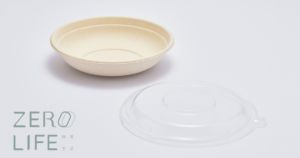
The food industry is one of the largest consumers of single-use plastics. Luckily, bamboo pulp containers are becoming a widely adopted alternative for takeout boxes, meal prep containers, and disposable trays. These containers are:
- Heat-resistant and microwave-safe, perfect for food delivery or meal reheating.
- Sturdy and leak-proof, ensuring durability for both hot and cold foods.
- Completely biodegradable, breaking down without harming the planet.
Shipping and E-Commerce Packaging
Online shopping has skyrocketed, leading to massive packaging waste. Bamboo pulp offers a greener way to deliver products sustainably. Corrugated bamboo pulp boxes, filler materials, and molded trays are not only strong but also eco-conscious, making them an excellent choice for businesses committed to reducing their carbon footprint.
Reusable and Biodegradable Cups, Plates, and Utensils
From outdoor picnics to major events, disposable bamboo cutlery and plates are gaining popularity. Unlike plastic or Styrofoam, bamboo-based disposable options decompose quickly. Plus, they’re elegant-looking, making them a stylish eco-alternative for parties and everyday use.
Benefits of Bamboo Pulp Packaging: Why It Works
So why exactly is bamboo pulp such a game-changer for consumers and businesses? Let’s examine the key advantages in more detail:
- Sustainability: Bamboo grows without requiring heavy irrigation or pesticides, which keeps its cultivation eco-friendly and low-impact.
- Durability: Despite being lightweight, bamboo pulp products are remarkably strong and resistant to wear and tear.
- Cost-Effective: Advances in production technology are making bamboo pulp packaging increasingly affordable and accessible.
- Health-Safe: Bamboo-based food containers are free of harmful additives like BPA, found in some plastics.
- Waste Reduction: Composting leftover bamboo packaging greatly minimizes landfill contributions.
Challenges of Bamboo Pulp Packaging
While bamboo pulp packaging offers incredible benefits, it’s not entirely without challenges. Understanding these realities can help consumers and companies anticipate potential obstacles.
- Cost Barrier: Although becoming cheaper, bamboo pulp packaging can still cost more than plastic options, making upfront costs a concern for some businesses.
- Limited Awareness: Many people and companies are still unaware of bamboo pulp’s potential, slowing adoption rates.
- Recycling Logistics: While compostable, bamboo products require proper disposal methods, which aren’t universally available in all areas.
How You Can Embrace Bamboo Pulp Products in Everyday Life
Ready to make the shift toward bamboo pulp packaging? Here are some simple ways you can incorporate this sustainable material into your routine:
- Switch to bamboo food containers: Look for takeout restaurants or grocery stores offering biodegradable bamboo packaging.
- Stock up on eco-friendly dinnerware: Use bamboo plates and cups for events or picnics, replacing disposable plastic alternatives.
- Choose bamboo shipping options: When shopping online, opt for retailers committed to sustainable shipping practices using bamboo-based materials.
- Spread the word: Introduce friends and family to the benefits of bamboo packaging, helping grow its adoption worldwide.
Final Thoughts: Is Bamboo Pulp Packaging the Future?
In my opinion, bamboo pulp packaging is one of the most promising eco-friendly solutions available today. Its sustainable qualities, coupled with its wide range of uses, make it the perfect candidate for reducing waste and transitioning away from harmful plastics. Sure, there are a few challenges to overcome, but as more individuals and businesses embrace bamboo-based products, I believe we’ll see a significant shift towards a greener, cleaner planet.
What are your thoughts? I’d love to hear how you’re working to reduce plastic waste and whether you’ve tried bamboo packaging in your own life. Let’s keep the conversation going and build a community committed to sustainability. Together, we can make a difference!