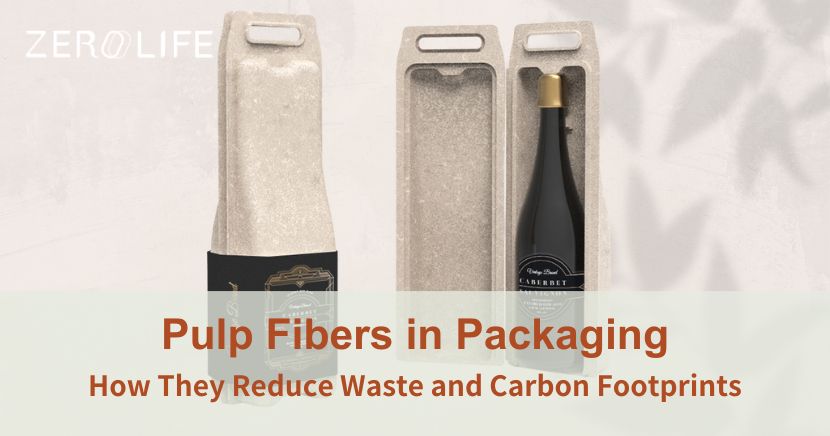
Have you ever stopped to think about how much waste comes from single-use plastic packaging? It’s staggering. That’s why I’m excited to share how pulp fibers in packaging can be a sustainable alternative, dramatically reducing waste and cutting carbon footprints. We live in a time when eco-friendly solutions aren’t just a luxury—they’re a necessity. If you care about leaving a cleaner, greener planet for future generations, understanding the role of pulp fibers in packaging is a great place to start.
Pulp fiber packaging, especially plant fiber meal boxes, is revolutionizing sustainable living worldwide. Made from renewable materials like sugarcane bagasse, wood, and wheat straw, pulp fibers offer an innovative solution to cutting down on plastic waste. Lightweight, biodegradable, and sturdy, this eco-friendly alternative caters to environmentally conscious consumers without sacrificing convenience. Whether you’re an individual seeking greener options or a business looking for sustainable packaging, switching to pulp fibers can make a real difference in reducing your carbon footprint.
What Are Pulp Fibers, and Why Are They Better?
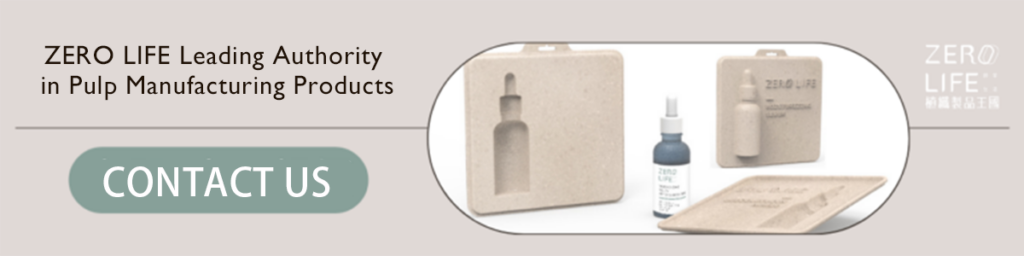
Pulp fibers are derived from natural, renewable materials such as wood, bamboo, sugarcane, and wheat straw. They’re processed into a lightweight, durable material that can be molded into a variety of shapes, making them perfect for use in packaging.
Benefits of Pulp Fiber Packaging
- Biodegradable and Compostable: Unlike plastic, pulp fiber packaging decomposes naturally, leaving no toxic residue.
- Renewable Resources: The materials used, such as bamboo and sugarcane, grow quickly and can be sustainably harvested.
- Reduces Plastic Waste: Each pulp fiber box or container used means one less piece of plastic that could pollute the environment.
- Lower Carbon Footprint: The manufacturing process for pulp fibers is often less energy-intensive compared to making plastics.
Plant Fiber Meal Boxes: A Game-Changer in Food Packaging
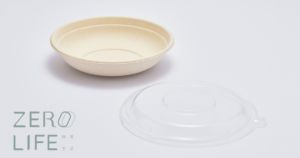
As someone who loves sustainable living, switching to plant fiber meal boxes has been one of the best decisions I’ve made. These meal boxes, often made from sugarcane bagasse, are perfect for takeout, picnics, or even meal prep at home. Unlike plastic containers, which take hundreds of years to decompose, plant fiber meal boxes break down in a matter of weeks under composting conditions.
Real-Life Applications
Let me share a few ways these eco-friendly meal boxes have changed the game:
- Takeout Packaging: Restaurants and cafes worldwide are replacing Styrofoam and plastics with plant fiber packaging for their customers.
- Meal Prepping: If you’re someone who meal preps, these containers can be used to portion your meals without relying on plastic Tupperware.
- Event Catering: Switching to pulp fiber plates, boxes, or cups for events can significantly reduce the waste generated at gatherings.
How Pulp Fibers Reduce Carbon Footprints
The environmental impact of packaging is closely tied to carbon emissions, and pulp fiber products shine in this regard. Here’s how they help:
- Lower Emissions During Production: Producing pulp fibers burns fewer fossil fuels compared to manufacturing plastic, which relies heavily on petroleum.
- Diverting Organic Waste: Many pulp fiber products are made from agricultural byproducts like wheat straw or sugarcane bagasse, which would otherwise be discarded or burned.
- Circular Economy: After use, the packaging can be composted and returned to the soil as a nutrient-rich substance, completing a natural cycle.
Practical Tools to Reduce Your Packaging Carbon Footprint
If you’re ready to reduce your own environmental impact, start small. Here are a few tips:
- Support Eco-Friendly Businesses: When ordering takeout or shopping, choose companies that use sustainable packaging.
- Compost and Reuse: Make sure to compost biodegradable packaging or reuse containers to reduce single-use waste.
- Educate Yourself: Learn about local composting services and how to properly dispose of biodegradable packaging to ensure it decomposes instead of being sent to a landfill.
Challenges and Opportunities
While pulp fiber packaging is an incredible innovation, it’s not without challenges. Currently, one of the biggest hurdles is ensuring widespread composting infrastructure. In some areas, biodegradable materials may end up in landfills due to a lack of proper disposal options. However, there’s great potential here. With rising awareness and investment in waste management systems, both individuals and communities can push for improved solutions.
The Future of Pulp Fiber Packaging
What gives me hope is the increasing demand for sustainable alternatives. Businesses are waking up to the fact that consumers care about eco-conscious choices. In the future, we’ll likely continue to see innovations that make pulp fiber packaging even more versatile, affordable, and effective.
Taking Action Today
Switching to pulp fiber products is one of the simplest ways we can all contribute to a more sustainable future. By saying goodbye to plastic and embracing biodegradable options, we can collectively reduce waste, conserve resources, and lower carbon emissions. I encourage you to try using plant fiber meal boxes for your meals or to advocate for their use at your favorite restaurants. Small changes often lead to big transformations—and the planet will thank you!
Have you tried pulp fiber packaging before? I’d love to hear your thoughts or experiences. Let’s work together toward a greener, cleaner tomorrow!