Plastic pollution is one of the biggest environmental challenges we face today. With discarded plastic clogging our rivers, oceans, and landfills, the need for sustainable alternatives is urgent. Enter bioplastics—a promising innovation in the world of eco-friendly materials. But can these plant-based plastics really replace traditional plastic? Let’s explore this revolution in sustainable living and uncover its potential to reduce waste and improve our planet’s health.
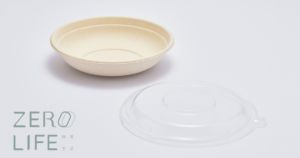
Bioplastics offer a renewable, biodegradable, and more environmentally friendly option compared to conventional plastics. Derived from plant fibers and organic matter, they have emerged as a practical tool for tackling plastic waste and reducing our carbon footprint. For eco-conscious individuals looking for packaging solutions, plant fiber meal boxes exemplify the transformative impact bioplastics can have on global sustainability efforts.
What Are Bioplastics?
For those who might be unfamiliar, bioplastics are a type of plastic made from renewable biomass sources such as corn starch, sugarcane, or other plant-based materials. Unlike traditional plastics derived from petroleum, bioplastics are designed to be more eco-friendly in their production and disposal.
The Science Behind Bioplastics
Bioplastics can be divided into two main categories: biodegradable bioplastics and non-biodegradable bioplastics. Biodegradable versions, such as polylactic acid (PLA), decompose over time when exposed to specific environmental conditions. Non-biodegradable bioplastics, while not compostable, are made from renewable resources, reducing reliance on fossil fuels.
How Bioplastics Are Revolutionizing Packaging
One of the most impressive applications of bioplastics is in packaging, especially when it comes to meal boxes made from plant fibers. These eco-friendly alternatives to traditional plastic containers are gaining popularity for good reason.
Benefits of Plant Fiber Meal Boxes
- Biodegradability: Most plant fiber meal boxes break down naturally, reducing waste in landfills and preventing pollution.
- Made from Renewable Resources: They’re sourced from plants like sugarcane, bamboo, and wheat straw, which are abundant and quickly replenished.
- Durability and Functionality: Despite being biodegradable, these meal boxes are surprisingly sturdy and can handle hot foods, liquids, and oils without breaking down prematurely.
- Non-Toxic and Safe: Plant fiber boxes are free from harmful chemicals like BPA found in traditional plastics, making them safer for both human use and the environment.
Real-Life Applications of Plant Fiber Meal Boxes
Plant fiber meal boxes are making a meaningful impact in various industries, particularly food packaging. Here are some everyday examples:
- Take-Out Containers: Restaurants and cafes are adopting plant fiber meal boxes to provide eco-friendly options for customers ordering take-out.
- Meal Prep Kits: Companies offering meal delivery services are increasingly packaging their ingredients and meals in biodegradable containers.
- Event Catering: For large-scale events, catering businesses are choosing plant fiber meal boxes to reduce the waste generated from single-use plastics.
Practical Tips for Using Bioplastics
- Check local waste management facilities to see if they can process biodegradable plastics, ensuring proper disposal.
- Opt for certified compostable products (look for labels such as ASTM D6400) to guarantee environmental benefits.
- Encourage businesses in your community to adopt plant fiber meal boxes by providing feedback and showing support for their green initiatives.
Can Bioplastics Really Replace Traditional Plastic?
So, given all the benefits, can bioplastics fully replace traditional plastic? The answer is nuanced. While bioplastics have a significant edge when it comes to sustainability, widespread adoption depends on several factors, including cost, scalability, and proper waste management infrastructure.
Challenges to Overcome
- Cost: Producing bioplastics is still more expensive than making petroleum-based plastics, which limits their affordability for mass adoption.
- Recycling and Composting Infrastructure: Many regions lack the facilities needed to properly process biodegradable bioplastics.
- Consumer Awareness: Not everyone understands how to dispose of bioplastics correctly, resulting in potential contamination of recycling streams.
- Performance Limitations: Some bioplastics may not have the same durability or temperature resistance as traditional plastics, limiting their applications in certain industries.
The Way Forward
Despite these challenges, bioplastics hold incredible promise for a sustainable future. By combining advances in technology with increased awareness and infrastructure improvements, we can significantly reduce our dependence on conventional plastics and their harmful environmental impact.
Why Switching to Bioplastics Matters
Embracing bioplastics like plant fiber meal boxes helps us take a step toward a more sustainable and eco-conscious lifestyle. These alternatives reduce plastic waste, conserve natural resources, and protect ecosystems worldwide. Making conscious choices to support and adopt bioplastics isn’t just about going green—it’s about preserving our planet for future generations.
Whether you’re a business owner seeking sustainable packaging or an individual committed to reducing plastic waste, the transition to bioplastics can make a significant difference. Every decision matters, and together, we can create a cleaner, healthier planet.