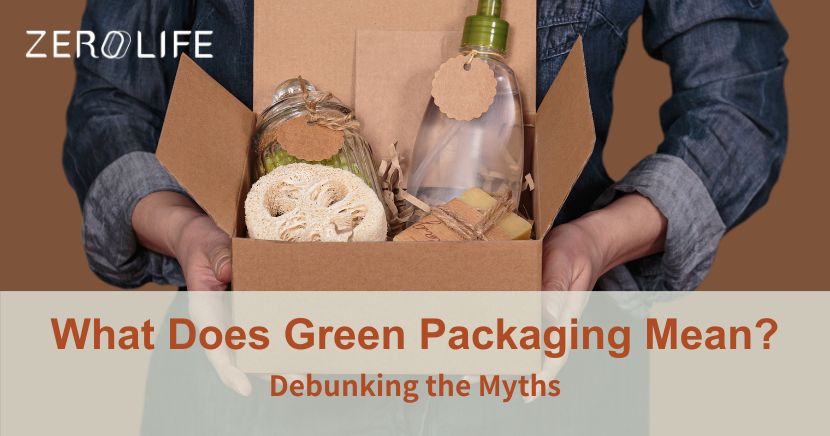
We live in an age where “sustainability” is no longer just a buzzword but a genuine lifestyle shift. Every choice we make, from the clothes we wear to the way we package our food, impacts the planet. One popular concept gaining traction is green packaging. But what does green packaging really mean, and is switching to options like plant fiber meal boxes as revolutionary as claimed? Buckle up as we explore the truth about sustainable packaging and debunk a few myths along the way.
Green packaging represents a vital solution to combating plastic pollution. At its core, it involves the use of environmentally friendly, sustainable materials to reduce waste and minimize ecological harm. One shining star in this field is the plant fiber meal box, an eco-conscious alternative to single-use plastics. Beyond being biodegradable, these containers promote convenience and long-term environmental benefits, proving that small changes can lead to a big impact.
Green Packaging Meaning: What Makes Packaging “Green”?
At its simplest, green packaging refers to materials, processes, and technologies that have minimal impact on the environment. But there’s more to it than just slapping the word “eco-friendly” on a product. Here are some key pillars of what truly makes packaging environmentally green:
- Biodegradability: Green packaging materials naturally break down into non-toxic components when composted or disposed of.
- Sustainability: It uses resources that are renewable, such as plant fibers, instead of finite ones like petroleum used in plastics.
- Recyclability: The materials are easy to recycle and can be reprocessed into new products without significant waste.
- Non-toxic production: The manufacturing process avoids harmful chemicals and minimizes its carbon footprint.
With these principles in mind, meal boxes made from plant fibers perfectly embody these values, positioning themselves as real game-changers as opposed to “greenwashed” alternatives.
What Are Plant Fiber Meal Boxes?
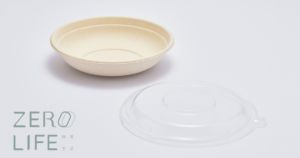
Plant fiber meal boxes are made from agricultural by-products such as sugarcane bagasse, wheat straw, or bamboo pulp. Instead of traditional plastics derived from fossil fuels, these containers utilize renewable organic matter left over after major crops are harvested. The result? A durable, disposable container that serves your functional needs without stressing the environment.
Debunking Myths Around Green Packaging Meaning
When it comes to sustainability, misconceptions often muddy the waters. Let’s tackle some myths about green packaging and the reality behind it:
Myth #1: All Biodegradable Packaging is the Same
Not all biodegradable materials are created equal. For instance, some bioplastics decompose only in industrial composting facilities, rendering them ineffective if discarded in landfills. By contrast, plant fiber meal boxes are truly compostable, breaking down naturally without leaving microplastic traces.
Myth #2: Green Packaging is Too Expensive
While the initial cost of green packaging may be slightly higher than traditional methods, you save money long-term. Here’s why:
- They reduce fees associated with waste management and landfill disposal.
- Better compliance with environmental regulations helps businesses avoid fines.
- Increased consumer demand for sustainable options boosts sales and builds brand loyalty.
Plus, as more companies adopt these practices, economies of scale drive down production costs, making eco-options even more affordable.
Myth #3: Green Packaging Can’t Handle Real-World Scenarios
Durability and usability concerns often make people doubt compostable containers. However, plant fiber meal boxes are surprisingly strong and highly resistant to water and oil. They hold up just as well to hot or cold foods as plastic containers do, making them practical for everyday use or takeaways.
Why Switch to Green Packaging?
Now that we’ve clarified what green packaging means and debunked some common myths, let’s discuss why adopting solutions like plant fiber meal boxes can be a game-changer:
Key Environmental Benefits
- Reduces Plastic Pollution: By replacing single-use plastics, plant fiber meal boxes prevent harmful waste from clogging landfills and oceans.
- Minimizes Carbon Footprint: The production process is energy-efficient and generates fewer emissions compared to traditional plastic manufacturing.
- Supports Circular Economy: Composting plant-based boxes turns them into nutrient-rich soil, completing a zero-waste loop.
Convenience Without Sacrifice
As consumers, we want convenience and functionality, and green packaging offers exactly that. Whether it’s reheating leftover takeouts in the microwave or packing foods-to-go, plant fiber meal boxes deliver on performance while caring for the planet.
Practical Options for Everyone
- For Individuals: Choosing stores or restaurants that use plant fiber packaging sends a strong message supporting sustainability.
- For Businesses: Transitioning to eco-packaging reflects environmental responsibility and attracts eco-conscious customers.
- For Policy Makers: Implementing policies to promote and support the use of green alternatives accelerates the path toward a sustainable economy.
How to Choose Truly Sustainable Green Packaging
In a world of greenwashing, it’s crucial to identify genuinely eco-friendly products. Here’s a quick checklist to guide you:
- Look for certifications like USDA BioPreferred, FSC Certification, or similar eco-labels.
- Check if the material is actually compostable or recyclable (not all claims are always true).
- Understand its lifecycle: Where does the material come from, and what happens after disposal?
Remember, you have the power as a consumer to demand transparency and make informed, ethical choices.
Conclusion: Green Packaging is More Than a Trend
Understanding the true meaning of green packaging separates sustainable solutions from fleeting trends. Practical innovations like plant fiber meal boxes offer compelling evidence that eco-friendly options can be both functional and planet-friendly. As we work toward reducing waste and protecting the environment, every small action counts.
The next time you’re presented with options, choose packaging that aligns with your values. Whether it’s supporting businesses that use plant-based meal boxes or advocating for better practices, your choices pave the way for a greener, more sustainable future.