What Is Green Packaging? Everything You Need to Know About This Eco Trend
In a world increasingly burdened by plastic waste and environmental crises, making conscious choices about packaging has become more critical than ever. Green packaging is a revolutionary approach to reducing our environmental footprint while still ensuring functionality and convenience. By switching to eco-friendly packaging solutions, we can significantly cut down on waste and make strides toward a more sustainable future for our planet—and it all starts with awareness and simple, practical shifts.
Green packaging refers to packaging materials and methods designed with sustainability in mind. These innovative solutions replace traditional, non-biodegradable materials (like plastic) with eco-friendly options such as plant fibers, recycled paper, or biodegradable plastics. But green packaging goes beyond just materials—it’s also about reducing unnecessary waste, promoting recyclability, and embracing a greener, cleaner lifestyle. From protecting the environment to enhancing product appeal with eco-conscious consumers, the advantages of green packaging are numerous.
Why Green Packaging Matters in Sustainability
Green packaging isn’t just a corporate buzzword—it’s a tangible step we can all take toward reducing pollution and combating the worldwide waste problem. It plays an essential role in sustainability by addressing some major environmental issues, such as single-use plastics filling up landfills or harming marine ecosystems. Let me walk you through some of the key reasons green packaging matters.
1. Reducing Plastic Pollution
The sheer volume of plastic used globally is staggering. Traditional plastic packaging contributes heavily to pollution, with many items ending up in oceans or taking hundreds of years to break down in landfills. By turning to plant-based or biodegradable materials, green packaging drastically cuts down on these environmentally harmful impacts.
2. Lowering Your Carbon Footprint
Green packaging often uses renewable resources like bamboo, sugarcane, or corn. These materials require less energy and fewer carbon emissions to produce compared to petroleum-based plastics. Plus, many green packaging options are designed for compostability or recycling, ensuring that waste doesn’t continue to impact the planet for decades.
3. Meeting Consumer Demand for Eco-Friendly Alternatives
More and more consumers are seeking eco-conscious brands that align with their personal values. Opting for green packaging not only helps the environment but also appeals to this growing market segment, making it a win-win solution for individuals and businesses alike.
Benefits of Plant Fiber Meal Boxes as a Green Packaging Solution
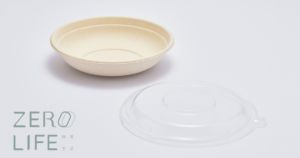
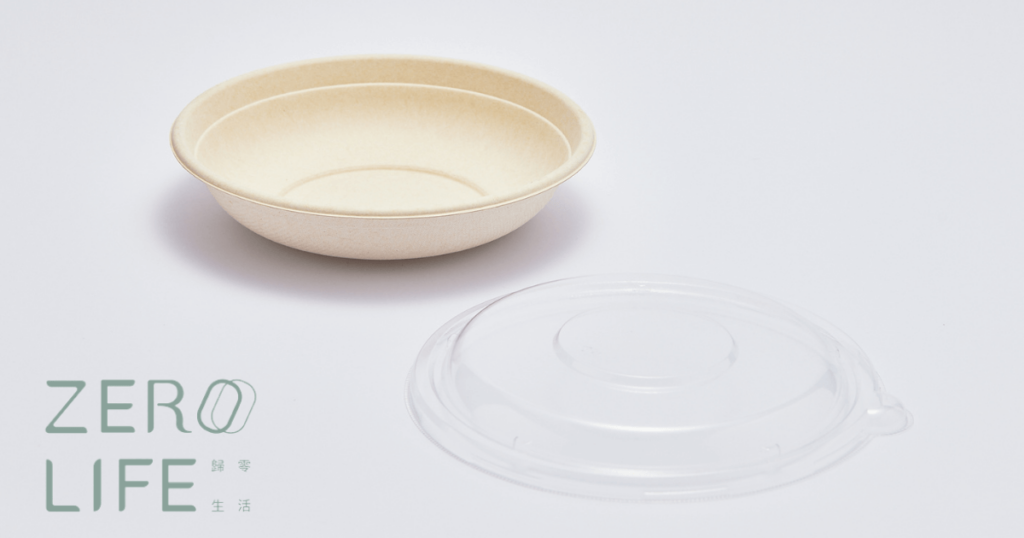
One of my favorite examples of green packaging is plant fiber meal boxes. These are innovative food containers made from natural materials like sugarcane bagasse or wheat straw, which are byproducts of agricultural processes. By repurposing plant fibers, these meal boxes contribute to a circular economy and offer numerous benefits for both consumers and businesses aiming to adopt eco-aware practices.
1. Environmentally Friendly Materials
Plant fiber meal boxes are made from renewable byproducts, which would otherwise go to waste. This makes them a fantastic alternative to single-use plastics. Plus, they’re biodegradable and compostable, so they won’t linger in the environment for centuries like traditional plastic containers.
2. Durability and Functionality
If you’re worried about eco-friendly packaging being less practical, I’m here to reassure you! Plant fiber meal boxes are incredibly durable, heat-resistant, and leak-proof. These features make them perfect for everything from takeout containers to meal prep storage, whether you’re running a business or simply using them at home.
3. Consumer Convenience
For those of us looking to reduce waste without completely overhauling our lifestyles, plant fiber meal boxes are a convenient solution. They work just as seamlessly as plastic alternatives, but with the added benefit of being compostable. Simply toss them into your compost bin or municipal compost program, and they’ll break down naturally.
4. Healthier for Humans
Unlike some traditional plastics, which can leach harmful chemicals into food, plant fiber containers are free from toxic additives. This not only makes them safer for our health but also ensures that composted plant fibers enrich the soil naturally.
How to Incorporate Green Packaging into Everyday Life
Adopting green packaging might sound like a major shift, but trust me—it’s simpler than you think. Here are some practical ways you can make the transition and reduce your reliance on wasteful packaging.
1. Switch To Compostable Containers
If you frequently use disposable containers for food or beverages, consider swapping them for compostable options like plant fiber meal boxes or cups made from cornstarch. They’re just as convenient and easily available online or in eco-friendly stores.
2. Opt for Reusable Packaging Whenever Possible
Green doesn’t always mean disposable! Investing in reusable containers made from glass, stainless steel, or sustainable bamboo helps reduce single-use waste. Use them for meal prep, storage, or even grocery shopping.
3. Support Brands Using Eco-Friendly Packaging
Whenever you shop, look for brands that package their products sustainably. Many companies now proudly label their items as “packaged with compostable materials” or “plastic-free.”
4. Create a Home Compost Bin
To maximize the benefits of compostable packaging, set up a compost system at home. It’s easier than you think and allows you to transform plant-fiber containers and food scraps into rich soil for your garden.
The Future of Green Packaging
The global shift toward green packaging is growing faster than ever, and innovations in materials and technology continue to make eco-friendly packaging more accessible and effective. As more governments implement plastic bans, and as businesses strive to align with sustainability goals, green packaging is likely to become the standard worldwide.
I believe this eco trend showcases a real opportunity for all of us—whether we’re individuals making small adjustments at home, or companies making bold corporate commitments—to collectively reduce waste and protect the environment for future generations.
Taking Action Today
From the dinner plate to the grocery store shelf, green packaging offers countless ways to shrink our environmental footprint. Whether through adopting plant fiber meal boxes, supporting sustainable brands, or setting up your own compost bin, this small but impactful change can set us on a path toward a cleaner, healthier future. I’ve personally found this shift to be incredibly rewarding—not just for the planet but also for my peace of mind—and I hope you’ll feel the same when you make the change. Ready to take the first step? Let’s make it happen.