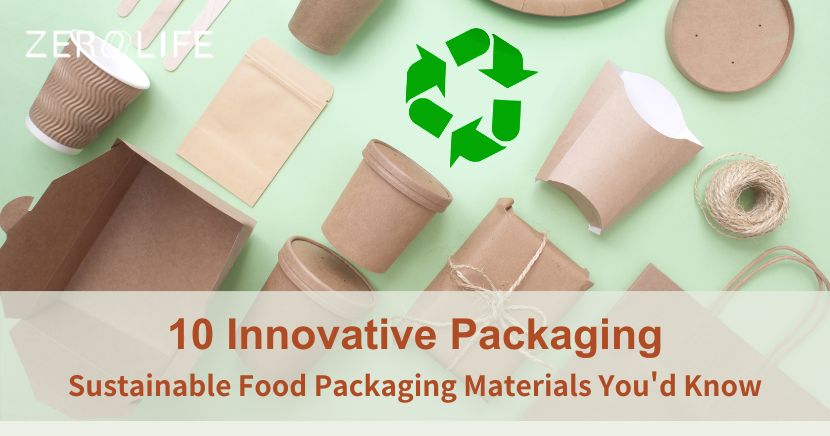
Hello, sustainability enthusiasts! Have you ever wondered how small changes in everyday choices can make a big difference for the planet? One area ripe for transformation is food packaging—not only in reducing waste but also in adopting innovative materials that minimize environmental impact. In this article, I’ll introduce you to 10 forward-thinking sustainable food packaging materials that are reshaping industries and helping us move towards a more eco-friendly future.
With global plastic waste mounting daily, the shift to sustainable food packaging has never been more crucial. From compostable plant fibers to algae-based wraps, eco-conscious materials are becoming game-changers in reducing pollution and conserving resources. Not only do they lessen dependence on fossil fuels, but many are biodegradable or recyclable, promoting a circular economy. Let’s dive into plant fiber meal boxes, one shining example of sustainable design, to explore their benefits, uses, and why they’re earning their place as the future of food packaging.
Sustainable Food Packaging: Why It Matters
The world is churning out over 300 million tons of plastic annually, with a staggering amount ending up in landfills, waterways, or incinerators. Traditional plastic food packaging, while convenient, poses long-term threats to ecosystems and human health. The need for sustainable food packaging isn’t just for the environment—it’s also about preserving resources, protecting wildlife, and building resilient systems for future generations.
Here’s why sustainable food packaging is crucial:
- Biodegradability: Many eco-friendly materials naturally break down, leaving no harmful waste behind.
- Resource efficiency: These materials often require less energy and water to produce compared to conventional plastics.
- Reducing greenhouse gases: Sustainable options minimize emissions during production and decomposition phases.
- Safety for humans and wildlife: Toxin-free alternatives prevent pollution and safeguard ecosystems.
One innovation leading the charge is plant fiber meal boxes—an elegant solution merging convenience with environmental responsibility.
What Are Plant Fiber Meal Boxes?
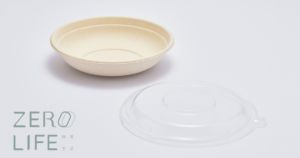
Plant fiber meal boxes are food containers made from sustainable, biodegradable raw materials such as sugarcane bagasse, wheat straw, bamboo, or rice husks. Designed as an eco-friendly alternative to plastic, they’re ideal for takeout, meal prep, and storing food safely. These boxes decompose naturally in composting conditions, breaking down into organic components without leaving behind microplastics or toxins.
The Materials Behind Plant Fiber Meal Boxes
Plant fiber boxes owe their sustainability to renewable agricultural waste. Here’s a quick breakdown of some commonly used fibers:
- Sugarcane Bagasse: A by-product of sugarcane processing, bagasse is sturdy, heat-resistant, and highly compostable.
- Wheat Straw: Leftover stalks from wheat harvests form durable, lightweight containers.
- Bamboo: Fast-growing and sustainable, bamboo offers a versatile, water-resistant material for food packaging.
- Rice Husk: Another agricultural by-product, rice husks are used to create durable and biodegradable meal containers.
By repurposing agricultural waste, these boxes not only eliminate the need for virgin materials but also prevent biomass from being burned as waste—a win-win solution for reducing carbon emissions.
The Advantages of Choosing Sustainable Food Packaging
1. Reducing Waste in Landfills
Unlike traditional plastics, plant fiber meal boxes are compostable. When disposed of properly, they decompose within 60–90 days, depending on environmental conditions. This significantly reduces the burden on landfills and prevents pollution from plastic waste.
2. Convenience Without Compromise
Plant fiber boxes are designed with practicality in mind. They are lightweight, stackable, and leak-resistant—perfect for takeout meals or storing leftovers. Many are microwave- and freezer-safe, making them a seamless replacement for plastic or Styrofoam without sacrificing functionality.
3. Supporting the Global Push for Circular Economies
Sustainable food packaging materials promote a circular economy by diverting organic waste from disposal streams and reintegrating it into natural systems. Industries are now seeing the value of composting infrastructure and biodegradable packaging as vital steps for future growth.
4. Customization Potential for Businesses
If you’re a business owner, plant fiber boxes are a smart way to align your brand with sustainability goals. These containers can be custom-branded, ensuring your company leaves a lasting impression on customers who care about eco-conscious solutions.
How You Can Incorporate Sustainable Packaging in Daily Life
1. Make the Switch at Restaurants
When ordering takeout, ask if the business uses biodegradable or compostable options. Support eateries that prioritize sustainable food packaging—your help directs more demand towards eco-friendly solutions.
2. Compost at Home
If your area doesn’t offer commercial composting, plant fiber boxes can often be composted in a backyard system. This not only reduces your waste output but yields nutrient-rich soil for gardening.
3. Advocate for Change in Your Community
Local policies can drive significant change. Join or initiate campaigns encouraging local governments and businesses to adopt sustainable packaging standards.
Exploring Other Innovative Sustainable Food Packaging Materials
Plant fiber meal boxes are just one example of the evolving landscape of sustainable materials. Other innovations include:
- Algae-Based Wraps: Derived from seaweed, these wraps are both edible and biodegradable.
- Mushroom Packaging: Mycelium-based containers are strong, biodegradable, and ideal for composting.
- Edible Films: Films made from starch, gelatin, or other food-grade materials can safely wrap snacks and meals.
- Beeswax Wraps: Reusable and natural, these make a great alternative to single-use plastic wraps.
- Corn-Based Plastics (PLA): Polylactic acid (PLA) uses corn starch to make clear, compostable packaging materials.
- Paper-Based Solutions: Coated or uncoated paper materials offer recyclability and biodegradability for various food applications.
- Palm Leaf Packaging: Pressed palm leaves create sturdy, single-use plates and containers that decompose naturally.
- Liquid Wood: A by-product of the paper industry, liquid wood is versatile and degradable.
- Glass or Stainless Steel: Reusable options that are durable and recyclable countless times.
- Coconut Husks: Utilizing discarded coconut shells, these packaging solutions are robust and biodegradable.
A Greener Future with Sustainable Food Packaging
Sustainability begins with conscious choices, and transitioning to eco-friendly food packaging is a powerful step forward. Whether you adopt plant fiber meal boxes or explore other cutting-edge materials, every decision helps reduce waste, conserve resources, and protect the environment. Together, we can embrace sustainable solutions that pave the way for a healthier, greener planet.
What steps will you take to reduce plastic in your daily life? Let’s start the conversation below!