
Hello! With the growing concerns about our planet’s health, the push for sustainable alternatives in packaging is more relevant than ever. As we look for ways to live greener and reduce our environmental footprint, one of the easiest and most impactful changes we can make is swapping out wasteful plastic packaging for eco-friendly solutions. Let’s dive into this guide to greener choices and discover how sustainable packaging, like plant fiber meal boxes, can revolutionize the way we consume and dispose of goods.
Sustainable packaging doesn’t just benefit the Earth—it’s a smart, practical choice that brings convenience and environmental responsibility together. Plant fiber meal boxes are one such option taking the packaging industry by storm. These biodegradable beauties are made from renewable resources, decompose naturally, and are proof that small changes in our daily lives can lead to monumental environmental gains. In this guide, I’ll walk you through the basics, from benefits to real-world uses, so you can feel confident making greener choices.
Why Choose Sustainable Packaging?
Sustainable packaging isn’t just a marketing buzzword—it’s an essential step in tackling the massive problem of plastic pollution. Did you know that millions of tons of single-use plastic end up in our oceans each year? By shifting to greener alternatives like plant fiber meal boxes, we can reduce waste, conserve resources, and pave the way for a cleaner and healthier planet.
The Environmental Impact of Traditional Packaging
Plastic is everywhere—in our homes, workplaces, and sadly, in landfills and waterways. Traditional packaging materials like plastic and Styrofoam are notorious for their environmental harm. They’re made using fossil fuels, require significant energy to produce, and take hundreds (or thousands) of years to break down. This causes lasting damage, endangering wildlife and polluting fragile ecosystems.
By making the switch to sustainable materials, we have an opportunity to reverse some of this damage. That’s why sustainable packaging is more than a trend—it’s a necessity.
Why Plant Fiber Meal Boxes Are a Game-Changer
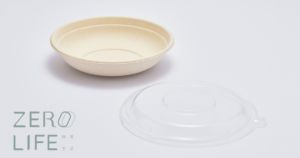
Plant fiber meal boxes stand out as a fantastic alternative to conventional food containers. Made from agricultural byproducts like sugarcane bagasse, wheat straw, or bamboo pulp, these boxes are not only biodegradable but also compostable. When your meal box reaches the end of its life, it won’t harm the planet—it can return to the earth safely and even enrich the soil.
The Benefits of Using Plant Fiber Meal Boxes
If you’re new to the world of sustainable packaging, you may be wondering what makes plant fiber meal boxes so special. Here’s a breakdown of their key advantages:
- Eco-Friendly: Plant fiber boxes are made from renewable resources and break down naturally, reducing waste and pollution.
- Compostable: Unlike plastic, which lingers for centuries, these boxes decompose within weeks or months in the right conditions.
- Non-Toxic: Free from harmful chemicals commonly found in plastics, making them safe for both people and the planet.
- Sturdy and Heat-Resistant: Despite being biodegradable, these boxes are durable and can handle hot or greasy foods with ease.
- Versatile: Ideal for takeout, picnics, meal prep, and countless other uses.
Comparing Cost and Convenience
One of the biggest barriers to embracing sustainable packaging is the perception that it’s expensive or inconvenient. However, plant fiber meal boxes are surprisingly affordable, especially when purchased in bulk. What’s more, their lightweight design and ease of disposal make them a convenient option for both consumers and businesses.
From a business perspective, using eco-friendly packaging can be a branding advantage. Many customers actively seek out companies that align with their values, and sustainability is often at the top of the list. By investing in greener solutions, businesses can not only reduce their environmental impact but also appeal to an eco-conscious audience.
How to Incorporate Sustainable Packaging Into Your Life
Ready to make the switch but not sure where to start? Here are some practical steps to incorporate plant fiber meal boxes and other sustainable packaging options into your daily life:
- Start Small: Begin by replacing single-use plastic containers with plant fiber meal boxes for picnics, takeout, or meal prep.
- Shop Sustainably: Look for brands and businesses that use eco-friendly packaging. Support companies making a conscious effort to reduce waste.
- Compost and Recycle: After using your plant fiber meal box, dispose of it in a compost bin if available. If composting isn’t an option, check with local waste management to see if they accept biodegradable materials.
- Spread the Word: Share your experience with friends, family, and colleagues. The more people embrace sustainable packaging, the bigger the impact we can make together.
- Advocate for Change: Support policies and initiatives that encourage industries to adopt greener practices. Every voice matters!
Where to Find Plant Fiber Meal Boxes
Plant fiber meal boxes are becoming more widely available, thanks to growing demand for sustainable solutions. You can find them at:
- Eco-Friendly Online Stores: Websites specializing in sustainable products often carry plant fiber meal boxes and other green alternatives.
- Local Retailers: Many health food stores and eco-conscious retailers stock biodegradable food containers.
- Wholesale Suppliers: If you own a business or want to purchase in bulk, look for wholesale suppliers offering competitive prices on eco-friendly packaging.
The Future of Sustainable Packaging
As consumers, our choices have the power to drive change. By embracing sustainable packaging like plant fiber meal boxes, we send a message to businesses and industries: eco-friendly alternatives are the way forward. With innovations in materials and manufacturing processes, the future of packaging looks brighter than ever—and it all starts with us.
Let’s commit to making greener choices, one meal box at a time. Together, we can reduce waste, protect our planet, and build a more sustainable future for generations to come. What will your first step toward sustainable living be?