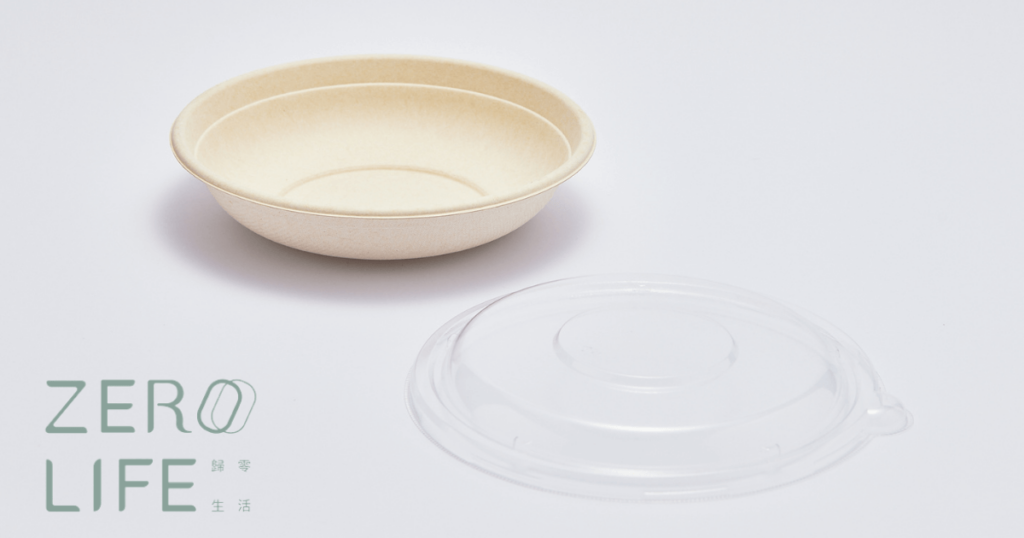
What Is Eco Packaging? The Truth Behind This Sustainable Trend
Eco packaging is changing the way we think about waste and sustainability in our daily lives. With the growing urgency to address environmental challenges, people worldwide are looking for alternatives to traditional, harmful materials like plastic and Styrofoam. Eco packaging represents a movement towards innovative, sustainable solutions that protect our planet while still meeting the needs of modern consumers. In this post, I’ll explore the practicality, environmental impact, and future of eco packaging, with a special focus on plant fiber meal boxes.
Why Eco Packaging Matters in Sustainable Living
If you’ve ever taken note of how much plastic waste we generate daily, you’ll understand why eco packaging plays a crucial role in sustainable living. Every piece of conventional plastic takes decades—or even centuries—to break down, polluting waterways, damaging ecosystems, and harming wildlife. Switch that to eco packaging, and we’re introduced to materials that are biodegradable, compostable, and far less damaging to the planet. It’s not just about reducing waste; it’s about creating a circular economy where resources are reused or recycled, leaving little to no footprint behind.
One of the most exciting developments is the rise of plant fiber materials in products like meal boxes. Plant fiber meal boxes are gaining popularity—and for a good reason. Not only are they sustainable, but they’re also highly practical for everyday use. Let’s dive into how these products work and why they’re turning heads globally.
What Makes Plant Fiber Meal Boxes a Great Eco Packaging Solution?
Plant fiber meal boxes are made with natural materials such as sugarcane bagasse, bamboo, or wheat straw, which are byproducts of agricultural activities. What makes them unique is their ability to decompose within weeks, compared to traditional plastics which can take hundreds of years. This gives them a substantial environmental advantage.
Here are five benefits I’ve identified that make plant fiber meal boxes stand out:
- Biodegradability: Unlike plastic containers, these boxes break down naturally and safely, reducing landfill waste and contributing to composting efforts.
- Non-Toxic Materials: They are free of harmful chemicals like BPA, ensuring that they are safe for both you and the planet.
- Sturdy and Functional: Despite being plant-based, they are durable enough to handle hot meals, liquids, and heavy portions without leaking or breaking.
- Renewable Resources: Materials like sugarcane and bamboo are highly renewable, making their production process much more sustainable than petroleum-based plastics.
- Versatility: These boxes work for a wide array of uses, from takeaway orders at a restaurant to home-packed lunches for work or school.
By switching to plant fiber meal boxes, businesses and consumers alike can enjoy these benefits while taking a meaningful step toward more sustainable habits.
Everyday Applications of Eco Packaging
One of my favorite things about eco packaging is how seamlessly it can integrate into our daily routines. Whether you’re running a business or just looking to green your day-to-day life, here are some ways you can incorporate eco packaging effectively:
For Businesses
If you’re in the food industry, switching to plant fiber alternatives can significantly enhance your brand’s sustainability efforts. Customers are increasingly seeking out companies that align with their environmental values. A thoughtful step like providing biodegradable meal boxes instead of Styrofoam or plastic can make a lasting impression.
For Individuals
For those of us hoping to cut down on single-use plastics, it’s easier than ever to incorporate plant-based packaging into your lifestyle. Here’s how I make it work:
- Meal Prep: Pack leftovers or meal-prepped food in plant fiber containers to avoid relying on plastic or aluminum foil.
- Takeout Orders: Support local restaurants that offer eco-friendly packaging instead of defaulting to plastic options.
- Composting: After using these items, dispose of them in your home compost pile (if applicable) to enrich the soil without generating waste.
The best part is that these changes require little effort; they’re small shifts that, over time, can have a large cumulative impact on reducing your personal waste footprint.
How to Ensure You’re Choosing Authentic Eco Packaging
Not all “eco-friendly” products are created equal. With greenwashing (misleading environmental claims made by companies) on the rise, it’s essential to evaluate what you’re purchasing. Here’s how I ensure I’m choosing genuinely eco-conscious materials:
- Look for Certifications: Products certified by organizations like BPI (Biodegradable Products Institute) or FSC (Forest Stewardship Council) meet trusted environmental standards.
- Read the Labels: Statements like “compostable” or “made from plant fibers” often indicate genuine eco-friendly materials.
- Avoid Misleading Buzzwords: Terms like “green” and “environmentally friendly” can be vague. Look for specific claims instead.
- Research the Brand: Companies committed to sustainability usually provide transparency on their websites or packaging about the materials they use and their disposal process.
- Know the End Life: True eco-friendly packaging will either decompose naturally or be repurposed within a circular economy framework.
By staying informed, I can directly support businesses that genuinely want to drive positive change and contribute to global sustainability goals.
Why Eco Packaging Is the Future
As the demand for sustainable products grows, eco packaging demonstrates how innovation can meet both ecological and consumer needs. Plant fiber meal boxes are just the beginning. As technology advances and awareness spreads, we can expect even more creative solutions from manufacturers striving to reduce waste and minimize their carbon footprint.
Imagine a world where packaging waste is no longer an issue because everything we use has either been repurposed, recycled, or safely biodegraded. It’s an achievable vision, and it starts with each of us making eco-conscious decisions today. From businesses taking responsibility for their waste to individuals shifting daily habits, every choice matters.
In conclusion, eco packaging like plant fiber meal boxes exemplifies the positive change we need to shift toward a more sustainable future. By embracing these alternatives, we address pressing environmental challenges, promote healthier ecosystems, and ultimately leave behind a cleaner, greener planet for future generations. Whether you’re a business owner or simply passionate about eco-friendly living, there’s never been a better time to make the switch to sustainable options. Let’s take the first step together—what change could you make starting today?
—
*What do you think about eco packaging? Are you already using eco-friendly alternatives in your life or business? I’d love to hear your thoughts or tips in the comments below!*