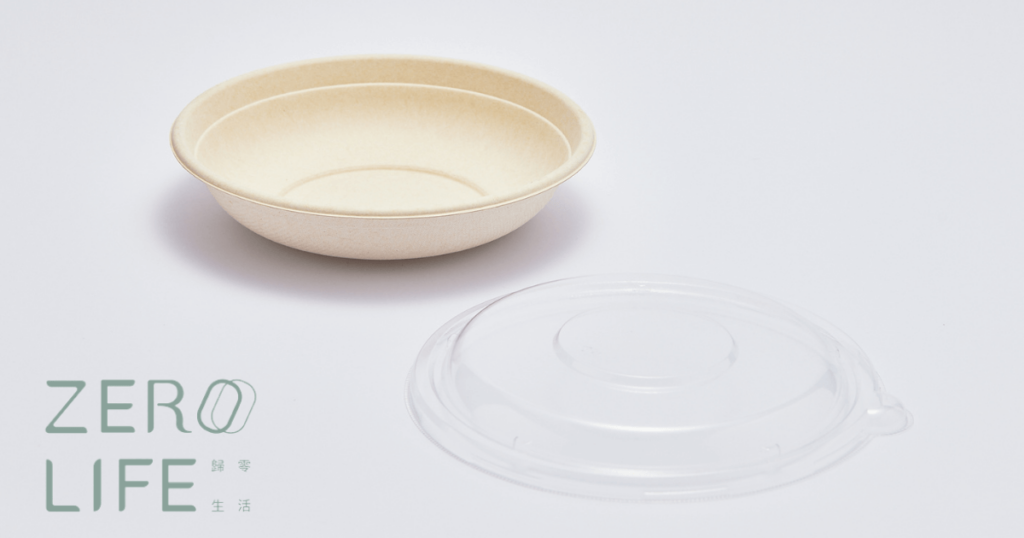
Reducing plastic waste has become a global priority, but finding the right alternatives can be challenging. Eco-friendly packaging materials like plant fiber meal boxes are emerging as innovative solutions to this growing problem. They offer a sustainable alternative to single-use plastics while maintaining practicality and functionality. For anyone passionate about sustainability, choosing packaging that minimizes environmental impact is an actionable way to support the planet and promote responsible consumption.
What Makes a Good Eco-Friendly Packaging Material?
Not all packaging materials labeled “eco-friendly” are created equal. In my quest to transition to more sustainable living, I’ve learned the key to finding the best alternatives lies in understanding their features and environmental impact. Every choice we make as consumers sends a message, and by prioritizing truly eco-conscious materials, we can collectively reduce waste and protect our planet.
Here, I’ll break down five essential features of a good eco-friendly packaging material, using plant fiber meal boxes as a prime example. Let’s dive into why these characteristics matter and how this packaging option can help you on your sustainability journey.
1. Biodegradability and Compostability
One of the most important features of eco-friendly packaging is its ability to break down naturally without harming the environment. Traditional plastics can take hundreds of years to degrade, leading to pollution and harm to wildlife. By contrast, biodegradable and compostable materials decompose into organic matter within months when disposed of properly.
Why Plant Fiber Meal Boxes Excel
Plant fiber meal boxes, typically made from agricultural by-products like sugarcane bagasse, wheat straw, or bamboo pulp, are fully compostable. This means you can dispose of them in an industrial compost facility or even a backyard compost bin where regulations permit. Not only do they decompose quickly, but they also enrich the soil with natural nutrients during the process.
- Break down in a few weeks to months in the right conditions.
- No toxic residues left behind, unlike plastics that release microplastics.
- Help reduce landfill waste while supporting a circular economy.
For global readers looking to reduce their environmental footprint, this makes plant fiber packaging a clear winner in the battle against single-use items.
2. Sustainable Sourcing
A genuinely eco-friendly packaging material must come from renewable and sustainable resources. Using materials that are over-harvested or require heavy processing cancels out the advantages of switching to an alternative. Thankfully, plant-based fibers check all the right boxes when it comes to responsible sourcing.
The Benefits of Plant Fibers
Plant fiber meal boxes are derived from agricultural waste products that would otherwise be discarded or burned. This not only saves raw materials but also reduces pollution associated with disposal processes. Additionally, the plants used, such as sugarcane and bamboo, are fast-growing and renewable, ensuring minimal strain on the environment.
- Made from leftover agricultural materials, reducing resource waste.
- Harvested in a way that promotes regrowth and sustainability.
- Requires less energy and water to produce compared to plastic packaging.
By choosing sustainably sourced packaging, we’re not just preventing waste; we’re also valuing resources and reducing the demand for virgin materials.
3. Functionality Without Compromise
Eco-friendly packaging should perform as well as, if not better than, conventional materials. One of the biggest hesitations many consumers have about making the switch is the fear that “green” alternatives lack durability or convenience. This is where plant fiber meal boxes shine, offering practicality without sacrificing environmental integrity.
Key Functional Advantages
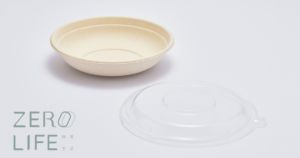
Plant fiber meal boxes are designed to be strong, lightweight, and versatile. You can use them to store a variety of foods without worrying about leaks, absorption, or structural issues. In addition, they’re microwaveable and freezer-safe, making them convenient choices for everyday use.
- Durable enough to handle hot, cold, and dense liquids or food items.
- Resistant to leaks and grease, reducing mess and spillage.
- Compatible with modern food storage and heating methods like microwaves.
Whether you’re purchasing takeout or need storage for homemade meals, plant fiber packaging provides the perfect balance of form and function—all while being kind to our planet.
4. Zero or Minimal Carbon Footprint
When assessing eco-friendly packaging materials, it’s important to consider their overall environmental impact, including carbon emissions. Everything from raw material extraction to manufacturing and transportation contributes to a product’s carbon footprint, so reducing emissions throughout the lifecycle is a hallmark of sustainable packaging.
Low-Impact Processes and Renewable Energy
Plant fiber meal boxes are produced using processes that consume less energy compared to petroleum-based plastics. Many manufacturers are transitioning to facilities powered by renewable energy sources, further reducing greenhouse gas emissions. Additionally, their lightweight structure minimizes fuel consumption in transport.
- Utilize by-products of agricultural crops, minimizing reliance on new resources.
- Manufacturing cycles produce significantly fewer CO2 emissions.
- Supports industries working towards clean energy solutions.
By supporting materials that actively reduce carbon output, we contribute to global efforts to combat climate change while encouraging innovative production methods.
5. Accessibility and Affordability
Sustainability should be inclusive and practical for people from all walks of life. A good eco-friendly packaging material should not only reduce environmental harm but also be readily accessible and affordable. Luckily, plant fiber meal boxes are quickly gaining popularity, making them more available worldwide.
Expanding Global Reach
Due to increased consumer demand and advancements in manufacturing, plant fiber meal boxes are now widely distributed across international markets. They’re competitively priced compared to traditional plastic or Styrofoam counterparts, especially when bought in bulk. Furthermore, many companies and restaurants are leveraging this option, making it easier for everyday consumers to access.
- Readily available in grocery stores, online platforms, and restaurants.
- Costs are continually decreasing as production scales up.
- Retailers often highlight affordability compared to polluting alternatives.
Affordability and accessibility pave the way for more people to join the eco-friendly movement, proving that sustainable choices don’t have to break the bank.
Final Thoughts
When it comes to choosing a good eco-friendly packaging material, it’s clear that factors like biodegradability, sustainable sourcing, functionality, low carbon footprints, and affordability are essential considerations. Plant fiber meal boxes embody all of these attributes, making them an excellent example of what sustainable packaging should look like.
As someone dedicated to reducing my own environmental impact, I can confidently say that switching to plant fiber meal boxes has not only made my lifestyle greener but also more convenient. Choosing eco-friendly alternatives over wasteful plastics is a simple yet powerful step we can all take to protect the planet—for ourselves and future generations. Together, let’s invest in a more sustainable future.