
Food Packaging Trends in 2025: What’s Next for Sustainable Solutions?
The way we package and store food is transforming—and not a moment too soon. With rising concerns over plastic pollution and its irreversible impact on our planet, sustainable food packaging is no longer a niche interest; it’s a necessity. From reducing single-use plastics to incorporating biodegradable materials, innovative solutions like plant fiber meal boxes are setting the standard for eco-conscious living. Let’s explore what makes these trends so promising for a greener future.
The Rise of Plant Fiber Meal Boxes
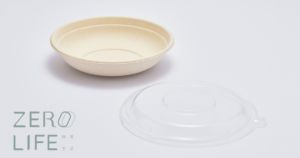
Plant fiber meal boxes are emerging as one of the most viable alternatives to traditional plastic packaging. Made from agricultural waste such as sugarcane bagasse, wheat straw, and bamboo fibers, these biodegradable containers are designed to minimize environmental harm.
What makes plant fiber meal boxes unique is their ability to decompose naturally in compost conditions, often breaking down fully within 90 days. Unlike plastic, which takes hundreds of years to degrade and often leaches harmful microplastics into the environment, plant fiber solutions are paving the way for a zero-waste future.
Environmental Benefits of Using Plant Fiber Packaging
Switching to plant fiber meal boxes offers several environmental advantages that go beyond just cutting down on plastic consumption. Here’s why they matter:
- They are biodegradable and compostable, significantly reducing landfill waste and pollution.
- They use agricultural by-products, meaning they repurpose waste materials that might otherwise be discarded or burned.
- Production processes often have a lower carbon footprint than those used to create traditional plastics.
- They help combat the global microplastic issue by offering a safe, non-toxic alternative.
By choosing plant fiber packaging, we can contribute to a more circular economy where waste is minimized, and materials are reused in innovative ways.
Why Sustainable Food Packaging Matters
Sustainability has become a global priority—and for good reason. The food and beverage industry is responsible for a significant portion of the world’s plastic waste, with single-use items like takeout containers, straws, and utensils contributing to oceans clogged with debris.
Here’s why sustainable food packaging, like plant fiber meal boxes, is critical:
- Environmental Impact: Switching to compostable packaging helps reduce waste, keeping ecosystems cleaner and healthier.
- Health Benefits: Plant-based materials are safer as they don’t leach harmful chemicals, unlike plastics.
- Longevity: Sustainable packaging often has dual functionality, meaning it can safely store food and decompose afterward without harming the planet.
Making small changes to packaging drastically influences our planet’s health. The sooner individuals, businesses, and policymakers act, the better we can mitigate the environmental crisis.
Applications of Plant Fiber Packaging in Everyday Life
Plant fiber meal boxes are versatile, providing convenience both for consumers and businesses. Since they’re functional and eco-friendly, these packaging solutions are popping up in a variety of industries.
Here are some of the most popular applications:
- Takeout and Delivery: With the rise of food delivery services, plant fiber meal boxes are a perfect replacement for styrofoam and plastic containers. Restaurants are choosing biodegradable options to align with consumer demand for sustainability.
- Meal Prep Services: Subscription meal kits are using eco-friendly packaging to ship ingredients, ensuring minimal environmental impact without sacrificing quality.
- Event Catering: Compostable plates and containers made from plant fibers are preferred in sustainable weddings, corporate events, and festivals.
How Consumers Can Make a Difference
The demand for sustainable solutions begins with consumer behavior. By supporting businesses that use eco-friendly packaging, you can help accelerate the shift toward a greener future. Here are a few steps you can take:
- Choose Compostable Options: When ordering takeout or buying pre-packaged foods, look for plant fiber or biodegradable symbols on the product labels.
- Reduce Usage: Purchase items in bulk or bring reusable containers to minimize waste from single-use packaging.
- Support Sustainable Brands: Research and patronize companies that commit to eco-conscious practices, including using sustainable materials in their packaging.
- Proper Disposal: Learn about your local composting facilities or start a home compost to ensure plant fiber boxes decompose properly.
What Lies Ahead for Food Packaging in 2025?
As 2025 approaches, the momentum for sustainable packaging continues to grow. Governments are introducing stricter regulations on single-use plastics, businesses are taking responsibility for their carbon footprints, and consumers are embracing greener lifestyles. For food packaging, this means more innovations and refinement of existing solutions:
- Government Policies: Bans on non-biodegradable plastics are expected to intensify globally, encouraging the rapid adoption of alternatives like plant fiber meal boxes.
- Technology Advancements: Scientists and engineers will likely develop plant-based packaging materials that are even more durable, affordable, and versatile.
- Increased Accessibility: As production scales up, we can anticipate more affordable pricing for biodegradable containers, making them accessible to small businesses and households alike.
If trends continue, sustainable food packaging will no longer be the exception. It will become standard practice in our global effort to reduce waste and protect the planet for future generations.
Key Takeaways for a Sustainable Future
Plant fiber meal boxes and other biodegradable packaging solutions are driving a movement that prioritizes environmental preservation over convenience. By embracing these alternatives, both individuals and companies can make meaningful contributions toward reducing waste and building a greener future.
Whether you’re a business looking to transition to eco-friendly packaging or a consumer committed to reducing your personal waste, sustainable solutions like plant fiber meal boxes are an excellent place to start. Together, we can reshape the future of food packaging and create a world that values people, the planet, and progress equally.
What’s your take on the future of sustainable packaging? Let me know in the comments—I’d love to hear your thoughts and experiences!