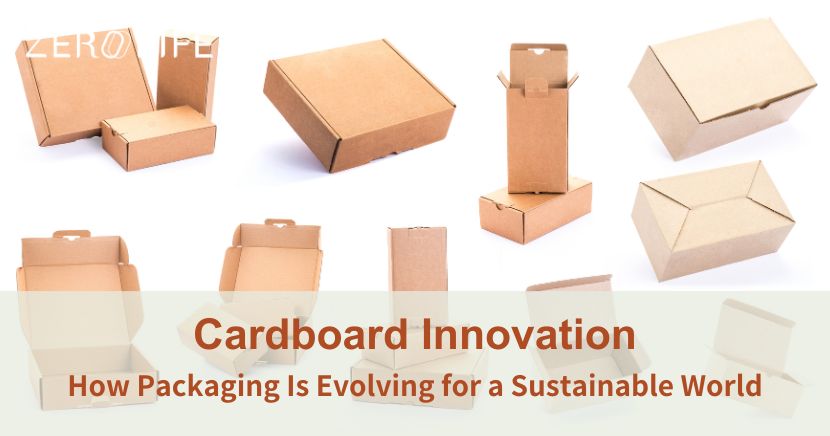
Cardboard Innovation: A Step Toward Sustainability
When was the last time you thought about the environmental impact of your packaging? With so much of our daily life wrapped, boxed, or delivered in some form of packaging, it’s time we embrace smarter alternatives. Cardboard innovation, particularly plant fiber-based solutions, is at the forefront of a sustainable revolution against plastic waste. This shift isn’t just good for the planet—it’s offering practical, functional benefits that make sustainable living easier than ever.
Why Cardboard Innovation Matters in a Plastic-Filled World
The packaging industry plays an enormous role in modern consumerism. Unfortunately, it also contributes significantly to plastic pollution. Every year, over 300 million tons of plastic are produced globally, with a substantial amount ending up in landfills or oceans. Cardboard, among other biodegradable materials, offers a resource-efficient and eco-friendly alternative that aligns with the global demand for sustainable living.
So, why should we care? Choosing innovative eco-friendly packaging, such as plant fiber meal boxes and cardboard-based solutions, can help:
- Reduce dependence on single-use plastics, minimizing waste in landfills.
- Lower carbon footprints due to their recyclable and biodegradable properties.
- Encourage businesses to adopt sustainable practices to meet consumer demand.
The idea isn’t just to switch materials but to revolutionize how we approach convenience, functionality, and environmental stewardship.
Real-World Impacts of Cardboard Innovation
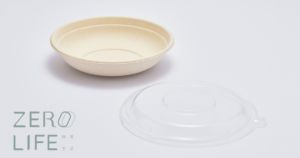
Cardboard isn’t just cardboard anymore—it is evolving. Companies worldwide are rethinking its role to provide packaging solutions that are not only eco-friendly but also practical for modern lifestyles. For example, plant fiber meal boxes have become a revolutionary alternative to traditional Styrofoam and plastic containers typically used in the food industry.
These plant fiber boxes are:
- Durable: Designed to handle hot, cold, and even greasy foods without losing integrity.
- Compostable: Unlike plastic, which takes centuries to decompose, plant fiber meal boxes can break down into natural materials in as little as 90 days under the right composting conditions.
- Lightweight yet Strong: Cardboard innovations ensure the packaging is easy to handle without sacrificing strength or usability.
The food service industry has responded enthusiastically, with countless restaurants, delis, and caterers opting for these alternatives. As a global traveler, I’ve noticed this shift everywhere—from local food trucks in Los Angeles to eco-conscious eateries in Copenhagen. This small decision to use sustainable packaging creates ripples that lead to significant long-term benefits for our planet.
The Practical Benefits of Plant Fiber Meal Boxes
Switching to eco-friendly packaging isn’t just about saving the environment—it’s also a smart choice for consumers and businesses alike. Here’s why plant fiber meal boxes are rapidly gaining popularity:
1. Supporting Circular Economies
When consumers choose packaging made from renewable sources like plant fibers, they feed into a circular economy, where resources are reused rather than discarded. Unlike plastic, which often ends up as waste, plant fiber products can be composted or recycled, reducing the demand for raw materials.
2. Enhancing Consumer Appeal
Consumers are increasingly prioritizing sustainability when making purchasing decisions. Businesses that adopt cardboard innovation not only reduce their environmental footprint but also attract eco-conscious customers. A simple “compostable packaging” label can profoundly impact public perception.
3. Practical for Everyday Use
Who says eco-friendly can’t be functional? Plant fiber meal boxes are designed to be leak-proof, microwave-safe, and sturdy. They’re perfect for everything from takeout lunches to catered events, giving consumers no reason to cling to plastic for convenience.
How You Can Embrace Cardboard Innovation
Choosing eco-friendly packaging doesn’t have to be complicated. Whether you’re a business or an individual, here are some actionable steps to incorporate cardboard innovation into your daily life:
1. For Businesses
If you’re running a business, particularly in the food or retail industry, consider transitioning your packaging to sustainable options. Here’s how:
- Partner with suppliers offering plant fiber, recycled cardboard, or biodegradable packaging options.
- Highlight your commitment to sustainability through branding and marketing efforts.
- Educate employees and customers about the environmental benefits of your packaging choices.
2. For Individuals
As consumers, you have the power to lead by example. Here’s how you can contribute:
- Choose products packaged in cardboard or plant-based materials whenever possible.
- Support businesses and brands that prioritize sustainable packaging.
- Dispose of plant fiber packaging in composting facilities or recycle cardboard responsibly.
- Encourage your local eateries to adopt eco-friendly meal packaging for takeout or delivery services.
Looking to the Future of Cardboard Innovation
The rise of biodegradable, sustainable, and multifunctional cardboard products signals a broader shift in how we approach packaging. While these innovations are already making waves, continuous advancements in material science promise even more exciting developments. Researchers are exploring ways to make these plant-derived materials even sturdier, more durable, and versatile, opening the door to countless applications beyond food packaging.
From tech companies leveraging eco-friendly shipping materials to creative industries reimagining retail packaging, the cardboard revolution is inspiring innovation across sectors. Perhaps in the near future, you’ll find biodegradable packaging solutions made for electronics, clothing, or even luxury goods.
Conclusion: A Smarter Choice for a Better World
The call to action is clear: we all have a role to play in steering the world toward more sustainable choices. Cardboard innovation—and particularly the rise of plant fiber meal boxes—isn’t just a fleeting trend but part of a larger movement toward responsible and eco-friendly living.
By supporting businesses that prioritize sustainability or simply making smarter choices in our personal lives, we’re contributing to an essential shift away from environmentally harmful materials. Let’s embrace this evolution in packaging technology together and help secure a greener, cleaner world for future generations.
So, the next time you unwrap a product or pack your leftovers, pause and ask: is there a better, more sustainable option? With cardboard innovation on the rise, the answer is increasingly “yes.”