Reducing waste in the kitchen has become more than just a trend—it’s now a necessity. As a pastry chef balancing creativity and sustainability, I’ve personally searched for practical ways to reduce my environmental footprint without sacrificing quality or convenience. That’s when I discovered pulp baking containers, an incredible zero-waste solution that has truly changed the way I work. If you, like me, are passionate about eco-friendly choices, this is a sustainable upgrade your kitchen needs.
Pulp baking containers are made from natural plant fibers, an innovative alternative to single-use plastic or aluminum packaging. These biodegradable containers not only support a zero-waste lifestyle but also offer numerous benefits for pastry chefs and bakers. From eco-conscious kitchens to large-scale bakeries, these containers help minimize waste while ensuring functionality, durability, and convenience. Let’s explore why they’re the revolutionary packaging solution we’ve all been waiting for.
What Are Pulp Baking Containers?
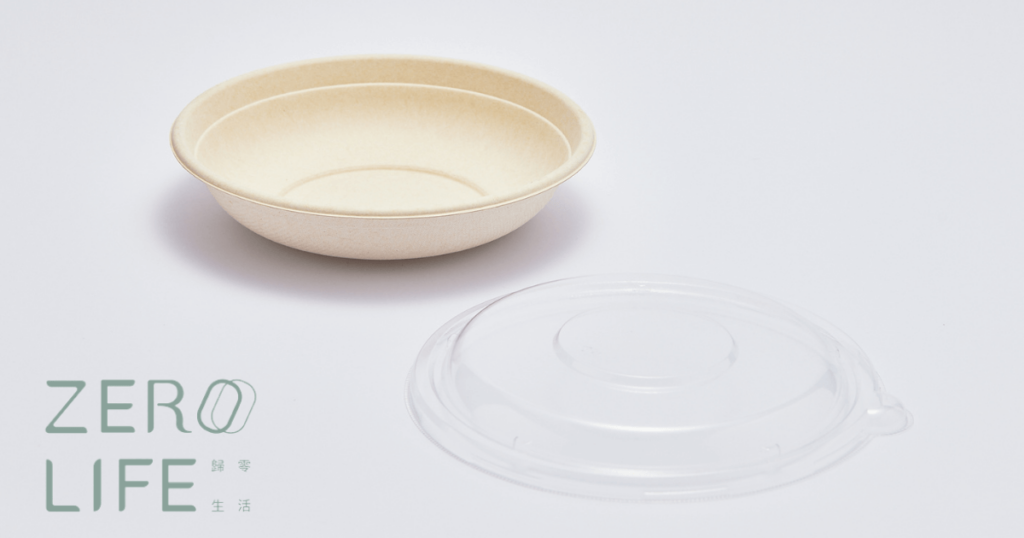
Pulp baking containers are eco-friendly baking and packaging solutions made from natural materials such as wood pulp, sugarcane, or bamboo fibers. Designed to be biodegradable and compostable, these containers are an excellent alternative to traditional disposable options like plastic, foam, or aluminum. They’re sturdy enough to handle baking, freezing, and serving—all while breaking down naturally in composting environments.
Here are some reasons pulp baking containers are gaining popularity:
- They are derived from renewable resources, reducing dependency on fossil fuels.
- They’re biodegradable and compostable, leaving no lasting impact on the environment.
- They look professional and present baked goods beautifully, making them perfect for bakeries and events.
How Are They Made?
The manufacturing process for pulp baking containers emphasizes sustainability. The materials are typically sourced from agricultural by-products like sugarcane bagasse or responsibly harvested wood fibers. These raw materials are then processed into a moldable pulp, shaped into containers, and treated to withstand baking temperatures.
This eco-conscious production ensures minimal waste and contributes to a circular economy. Unlike petroleum-based plastics that can take centuries to degrade, pulp containers decompose naturally within weeks or months under the right composting conditions.
Why Choose Pulp Baking Containers?
Let me break down why I’ve switched to pulp baking containers—and why I think you should, too. In today’s baking industry, sustainability isn’t just about reducing waste; it’s about creating a balance between practicality and environmental responsibility. Here’s why these containers are such a game-changer:
1. Environmentally Friendly
Choosing pulp baking containers aligns with global efforts to reduce plastic pollution and promote zero-waste practices. These containers:
- Break down naturally into compost, enriching the soil rather than polluting it.
- Reduce reliance on single-use plastics and petroleum-based materials.
- Support renewable-resource farming, like sugarcane cultivation.
Transitioning to pulp-based packaging helps pastry chefs directly contribute to achieving global sustainability goals.
2. Versatile and Functional
I was initially skeptical about whether biodegradable materials could match the performance of conventional packaging, but these containers deliver! They’re:
- Heat-resistant: Perfect for baking cakes, pies, and pastries without compromising quality.
- Freezer-friendly: Ideal for storing pre-baked goods or frozen desserts.
- Grease-proof: Designed to handle buttery pastry doughs with ease.
Honestly, they’ve made my day-to-day kitchen work so much easier. Whether I’m baking for a holiday market or prepping for a large catering order, I know my goods will stay fresh and presentable.
3. Cost-Effective for Professionals
Initially, I worried switching to zero-waste containers might inflate my operating costs, but I was pleasantly surprised. Pulp baking containers offer cost-efficient benefits:
- They reduce the need for extra inner liners or greaseproof paper.
- Many suppliers offer bulk pricing for professional kitchens.
- Their dual-purpose functionality (bake and serve in the same dish) eliminates the need for excessive packaging.
When you factor in the cost savings from reduced waste disposal fees, the switch becomes an even smarter choice.
How to Integrate Pulp Baking Containers into Your Kitchen
Are you ready to make the switch? Here’s how I incorporated pulp baking containers into my routine:
- Start small: Experiment with pulp containers for specific recipes, such as muffins, tarts, or individual portion cakes.
- Source quality products: Look for suppliers specializing in certified compostable packaging to ensure your containers meet environmental standards.
- Educate your clients: Add a label or sign to explain that your packaging is biodegradable. This promotes your commitment to sustainability and can attract eco-conscious customers.
- Compost your waste: If you have access to composting facilities, make it a habit to properly compost used containers.
With these simple steps, you’ll not only elevate your baking game but also inspire others to embrace eco-friendly practices!
The Future of Eco-Friendly Baking
The shift toward sustainable practices in the food industry is undeniable, and I’m thrilled to see eco-friendly solutions like pulp baking containers leading the way. By using these containers, we’re fostering more than just good baking habits—we’re helping to preserve the planet for future generations.
Imagine a future where zero-waste packaging becomes the norm and kitchens around the globe prioritize sustainability. Every small change we make in our personal and professional lives can collectively create an enormous impact. Pulp baking containers are a fantastic starting point for those of us who love baking and care deeply about the environment.
If you’ve been considering a zero-waste upgrade for your bakery or home kitchen, I highly recommend giving these containers a try. They’ve completely transformed the way I work, and I’m confident they’ll do the same for you.
Final Thoughts
Making environmentally friendly choices doesn’t have to be complicated. With pulp baking containers, we have a simple yet powerful tool to reduce waste and improve the way we approach baking and packaging. Let’s embrace sustainability, one baked treat at a time.
What do you think about using pulp-based packaging? Have you tried it yet? Share your thoughts in the comments below—I’d love to hear your experiences!