As someone who has spent countless hours reflecting on the environmental impact of daily decisions, I find it impossible to ignore the growing conversation around sustainable alternatives to plastic. One trend that stands out is pulp packaging, an eco-friendly, biodegradable solution that’s gaining momentum. With plastic pollution mounting and harming ecosystems worldwide, switching to greener options like this is no longer a choice—it’s a necessity. While it may seem small, smarter packaging can make a big impact on reducing our waste footprint.
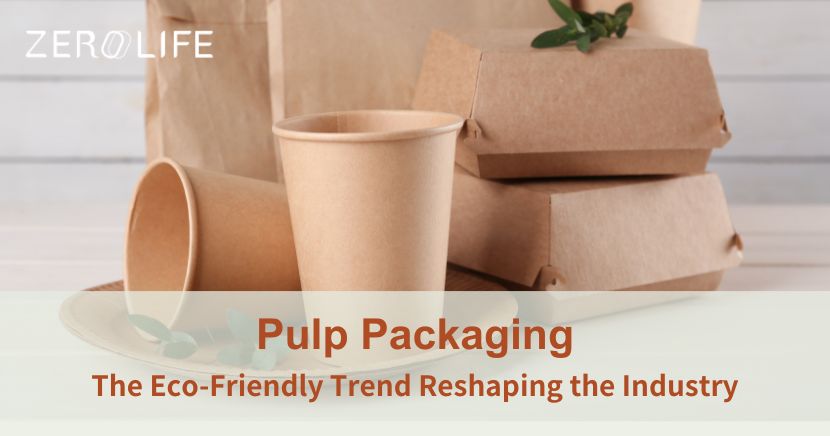
Pulp packaging, most popularly seen in plant fiber meal boxes, is reshaping industries, from food service to retail. Made from renewable resources like bamboo, sugarcane, or recycled paper, these packages are both biodegradable and compostable. They appeal to individuals and businesses looking to reduce waste, offering practical benefits like durability and insulation for food. In this post, I’ll uncover why pulp packaging is more than just a passing trend—it’s a future-forward solution to protect our planet and ensure sustainable living.
Why Pulp Packaging Matters in a World Full of Plastic
We live in a world deeply reliant on plastic. Globally, plastic waste continues to fill landfills, pollute natural environments, and threaten wildlife. According to studies, over 90% of plastic isn’t recycled, meaning most of it ends up as waste that takes centuries to decompose. This alarming reality is where pulp packaging truly shines.
Pulp-based products, especially for items like meal boxes and containers, are made from natural plant fibers that break down easily in the environment. Unlike conventional plastics, which leach harmful chemicals as they degrade, pulp products are biodegradable and non-toxic. As more countries implement bans on single-use plastics and businesses embrace sustainability, pulp packaging solutions are bridging the gap between convenience and eco-consciousness.
The Environmental Benefits of Pulp-Based Meal Boxes
When I first came across pulp packaging, I was impressed by its solid environmental credentials. Here are some of the most remarkable benefits:
- Biodegradability: Pulp packaging decomposes naturally within a few months, leaving no trace of pollution behind.
- Compostability: These products can be added to compost bins, enriching the soil once they break down.
- Lower Carbon Footprint: Compared to plastic, producing pulp materials requires less energy and emits fewer greenhouse gases.
- Plastic-Free Oceans: A switch to pulp packaging significantly reduces the likelihood of waste entering marine environments.
The environmental benefits alone make switching to pulp-based meal boxes a compelling choice. It’s a simple yet effective way for businesses and individuals to align with global sustainability goals.
Real-Life Applications of Pulp Packaging
Pulp packaging extends far beyond food containers. It has revolutionized various industries looking to ditch plastic without compromising on functionality. Here are some real-world applications I’ve noticed:
1. Food and Beverage Industry
The global food and beverage market is one of the largest contributors to packaging waste. Fortunately, many brands now use natural-fiber containers, offering insulated meal boxes, drink carriers, and take-out trays that work just as well as their plastic counterparts.
- Takeout restaurants and cafes commonly use plant-based takeaway boxes for hot and cold food.
- Event caterers prefer pulp packaging because it is lightweight and durable.
- Hotels opt for compostable pulp coffee cup lids to replace traditional plastic ones.
Switching to pulped meal containers means no more Styrofoam or plastic takeout clamshells, which cannot be recycled easily. To me, that’s a massive win for the planet!
2. Retail and E-Commerce Industries
If you’ve ever received a package cushioned with molded pulp trays instead of bubble wrap, you’ve already encountered this innovative solution. Companies in retail and e-commerce use pulp packaging to protect products during shipping. Key benefits include:
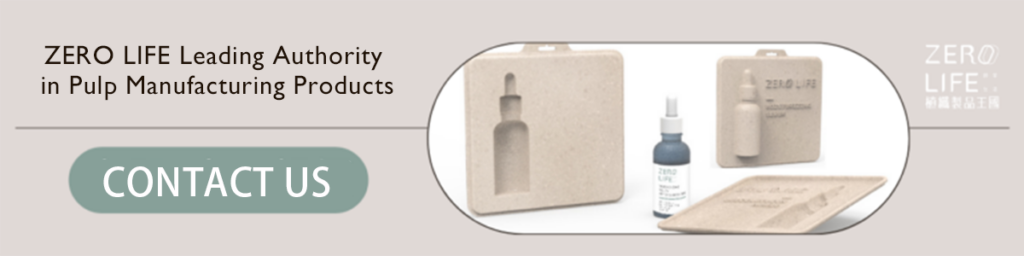
- Molded pulp trays custom-designed for fragile goods like electronics or cosmetics.
- Eco-friendly filler materials that maintain product safety without plastic waste.
- Reduced packaging weight, which minimizes transportation emissions.
This shift demonstrates how businesses can be sustainable while still meeting consumer demands for durability and reliability.
3. Agriculture and Horticulture
Pulp packaging’s uses aren’t limited to urban settings; it’s reducing waste in agricultural sectors too. From biodegradable seed trays to protective produce containers, this type of packaging helps farmers and gardeners in tangible ways:
- Plantable seed trays that decompose into the soil, eliminating plastic tray waste.
- Compostable fruit and vegetable crates shield fresh items while supporting green farming practices.
It’s inspiring to see nature and innovation coming full circle through this packaging approach.
Making the Switch: How You Can Benefit
Perhaps what excites me most about pulp packaging is how easy it is to incorporate into everyday life. Whether you’re running a small business or simply looking to reduce your personal garbage output, these tips can get you started:
- Use Plant Fiber Containers at Home: Replace traditional plastic meal prep containers with sustainable pulp alternatives for leftovers and daily lunches.
- Encourage Local Restaurants to Adopt It: Politely suggest to your favorite eateries that they switch to biodegradable takeaway containers.
- Choose Retailers That Prioritize Sustainability: Look for companies that use paper-pulp fillers or molded trays when shopping online.
As consumers, the power is in our hands to support the growing pulp packaging industry. By choosing eco-friendly products, we send a clear signal to manufacturers: sustainability matters.
Pulp Packaging: A Step Toward a Greener Future
Having seen first-hand how much plastic packaging enters my home after a single shopping trip, I know we can all do better. Pulp packaging isn’t just another product—it’s a movement toward improved waste management and environmental protection. By supporting these sustainable solutions, we actively reduce pollution and champion a cleaner, healthier planet.
Next time you’re faced with packaging options, I urge you to think twice. Opt for pulp packaging. Not only are you embracing sustainable living, but you’re also advocating for a future where the earth takes priority over convenience. Together, we can make this simple shift and create meaningful environmental change—one meal box, tray, or container at a time.