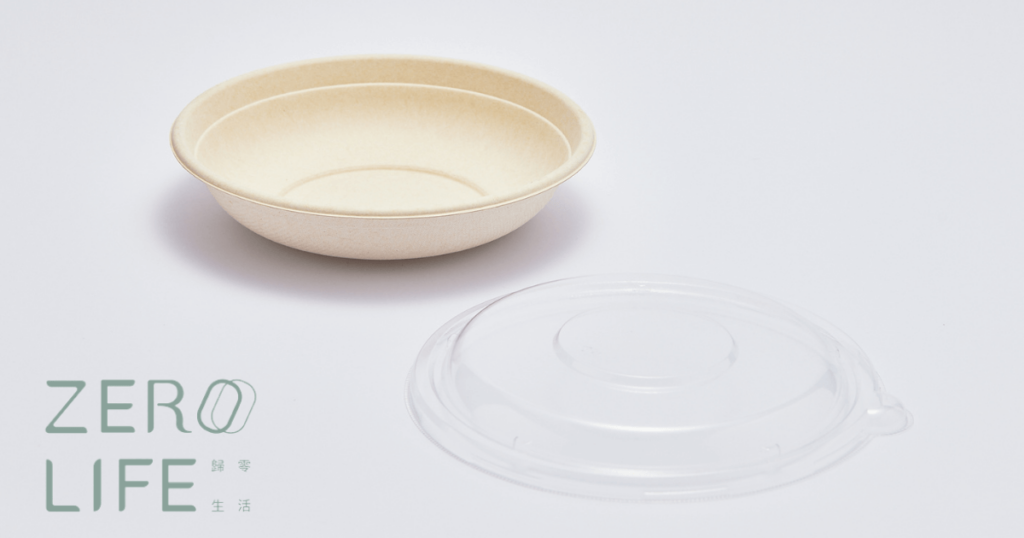
Hello, and welcome to an exciting dive into one of the simplest ways we can all make a profound impact on the environment. Today, I want to talk about pulp fiber and how this innovative material is providing a sustainable solution to packaging waste. With millions of tons of plastic polluting our planet each year, embracing alternatives like plant fiber meal boxes can help protect ecosystems and reduce the massive waste crisis we face globally.
If you’re interested in sustainability or eco-friendly living, then you’ve likely heard about pulp fiber packaging. This renewable, biodegradable material is increasingly being used to replace single-use plastics, especially in food packaging. From reducing landfill waste to cutting down on carbon emissions, it’s a win-win solution for businesses and individuals alike. Plus, it’s durable, convenient, and designed with functionality in mind, offering a practical answer to one of the world’s most pressing environmental challenges.
Why Pulp Fiber Is Revolutionizing Sustainable Packaging
When it comes to waste reduction, pulp fiber has proven to be a game-changer. Pulp fiber is derived from renewable resources like sugarcane bagasse, bamboo, straw, or even wood pulp, making it 100% biodegradable and compostable. Unlike traditional plastic packaging, which can take centuries to decompose, pulp fiber products naturally break down and leave no toxic residue behind.
Addressing the Plastic Waste Crisis
It’s no secret that plastic waste is choking our planet. According to recent studies, over 8 million tons of plastic enter our oceans every year. This not only harms marine life but also affects human health as microplastics make their way into the food chain. By swapping out plastic containers for pulp fiber meal boxes, consumers and businesses alike can help reduce this impact significantly.
The benefits of choosing pulp fiber for packaging are far-reaching:
- Eco-Friendly Disposal: Pulp fiber is compostable, meaning it breaks down into natural components within months, not centuries.
- Renewable Origin: Materials like sugarcane and bamboo grow quickly and regenerate efficiently, ensuring minimal ecological disruption.
- Lower Carbon Footprint: Producing pulp fiber packaging has a significantly smaller environmental footprint compared to petroleum-based plastics.
What Sets Pulp Fiber Meal Boxes Apart?
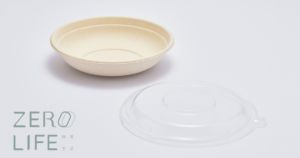
Meal boxes made from pulp fiber are one of the standout applications of this sustainable material. These containers cater to a market that’s increasingly demanding eco-friendly solutions, particularly in the food and beverage industry. With bustling takeout businesses and an ever-growing focus on convenience, environmentally conscious packaging is no longer just an option—it’s a necessity.
Plant fiber meal boxes come with several standout features:
- Durability: Despite being made from fibrous plant material, these containers are sturdy and heat-resistant, making them suitable for a variety of foods.
- Biodegradability: Once discarded, these boxes break down quickly in composting facilities, leaving no harmful traces.
- Water and Oil Resistance: Pulp fiber meal boxes are often treated with plant-based coatings, ensuring they can handle greasy or liquid foods without leaking.
Imagine ordering your favorite takeout meal and knowing that not only is your food delicious, but its packaging won’t contribute to overflowing landfills. That’s the beauty of this innovation.
Real-World Benefits of Using Pulp Fiber Products
The practicality of pulp fiber packaging is already being realized worldwide. From fast-food chains to artisanal cafes, businesses are embracing these eco-friendly options to align with their sustainability goals. Here’s why:
1. Cost-Effective for Businesses
Switching to sustainable packaging doesn’t have to break the bank. The costs of pulp fiber containers have become increasingly competitive with traditional plastic products, making it a financially viable choice. Plus, brands that prioritize eco-conscious offerings often attract a loyal, environmentally aware customer base.
2. Meeting Legal and Market Demands
With stricter regulations against single-use plastics being rolled out across many countries, businesses that transition to sustainable packaging options are ahead of the curve. Beyond compliance, this shift boosts a brand’s reputation and sets it apart in a competitive market.
3. Supporting Circular Economy Principles
Pulp fiber products are an essential component of the circular economy, emphasizing reuse, recycling, and minimal waste. When businesses adopt such materials, they contribute to a system that values resource efficiency and ecological balance.
How You Can Make a Difference
It’s easy to feel as though a single person’s efforts can’t make a difference in the grand scheme of environmental conservation. But in truth, collective small actions lead to transformative change. Here are a few ways you can incorporate pulp fiber into your daily life:
- Choose takeout restaurants that use plant fiber meal boxes instead of plastic or Styrofoam containers.
- When hosting gatherings, opt for compostable tableware made of pulp fiber rather than disposable plastic plates and utensils.
- Support businesses and retailers who actively implement sustainable packaging policies.
By aligning your lifestyle choices with eco-friendly alternatives, you’re not only influencing the demand for sustainable products but also encouraging the widespread adoption of these solutions.
The Global Impact of Pulp Fiber
The widespread use of pulp fiber has the potential to drive significant positive changes on a global scale. From reducing waste in landfills to combating the increasing levels of ocean pollution, every step toward replacing plastic with biodegradable materials matters.
Countries all over the world are beginning to adopt policies and practices that reflect the urgency of addressing the waste crisis. For example:
- European Union: The EU has implemented stringent bans on certain single-use plastics, encouraging alternatives like pulp fiber.
- China: China’s push to reduce plastic pollution includes mandates for biodegradable packaging in food delivery services.
- United States: Many states have passed laws banning Styrofoam and promoting compostable packaging materials.
As more businesses and governments get behind the pulp fiber revolution, the world moves closer to a future where waste becomes a resource and sustainability becomes the norm.
Conclusion
Switching to pulp fiber packaging isn’t just about reducing waste; it’s about rethinking how we design, use, and dispose of everyday items. By choosing biodegradable materials, we’re taking a crucial step toward a cleaner, greener world. The beauty of pulp fiber lies not only in its practicality but also in its potential to inspire widespread change. Together, through informed choices and sustainable living, we can help solve the packaging waste crisis and create a more balanced relationship with our planet.