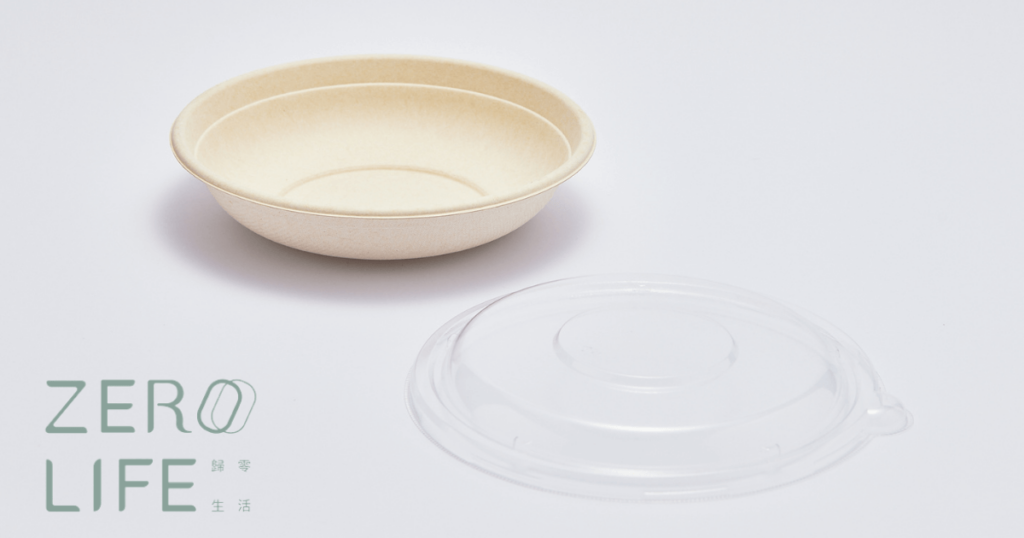
As I look around at how the food industry has evolved in recent years, one thing stands out as a game-changer: paper box packaging. It’s more than trendy packaging—it’s a critical shift toward sustainability, a necessity in the fight against plastic waste. Today, I’m diving into the fascinating role this innovation plays in transforming not only how we enjoy meals but also how we protect our planet. If you care about eco-friendly living, you’re in for some eye-opening insights.
The rise of paper box packaging marks a huge step in the global push for sustainability, especially in food services. These environmentally-conscious alternatives offer practical solutions to reducing our reliance on plastic containers. By switching to renewable, compostable, and biodegradable materials like plant fiber meal boxes, we’re creating a positive ripple effect on the environment. It’s an inspiring story of how small changes can lead to big impacts—ethically and practically.
Why Paper Box Packaging is Revolutionizing the Food Industry
In the past, the food industry heavily relied on single-use plastics and Styrofoam containers. They were cheap, lightweight, and effective, but they came with an undeniable downside: ecological destruction in the form of overflowing landfills, ocean pollution, and carbon emissions. Enter paper box packaging—a sustainable alternative that has shifted the paradigm.
What Makes Paper Box Packaging Sustainable?
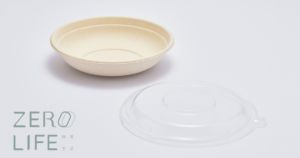
Paper-based meal boxes typically use renewable materials such as recycled cardboard, bamboo pulp, or sugarcane fiber (also called bagasse). These alternatives are both biodegradable and compostable, ensuring they break down naturally in the environment without leaving harmful residues.
- Plant-based fibers create durable yet eco-friendly packaging solutions.
- Natural materials cut down on toxic production processes compared to plastics.
- Compostable options reduce reliance on non-renewable waste management systems.
What’s truly groundbreaking is that these boxes are designed with food safety and transportability in mind. They are resistant to grease, moisture, and heat—qualities that might surprise you, given their natural composition. And the best part? They align perfectly with the growing consumer demand for greener, more ethical choices.
Benefits of Switching to Paper Box Packaging in Food Services
Now, let’s talk about what makes paper packaging so attractive for businesses and eco-conscious customers alike. It’s not just about sustainability; it’s also practical, affordable, and convenient. Here’s why so many companies are making the shift.
Environmental Impact
Paper boxes drastically reduce the environmental footprint of the food industry. Unlike plastic containers, which can take hundreds of years to decompose, most paper boxes start breaking down within weeks or months.
- They minimize non-biodegradable waste clogging landfills and oceans.
- They emit fewer greenhouse gases during production and disposal processes.
- They encourage the use of recycled and post-consumer materials, promoting a circular economy.
By reducing the reliance on plastics, we’re not just cleaning up after ourselves but also preserving crucial ecosystems and wildlife habitats.
Appeal to Eco-Conscious Consumers
As sustainability takes center stage globally, more consumers are willing to support businesses that align with their values. Food companies adopting paper box packaging send a clear message: they are committed to the planet. This shift has created a competitive edge in the market, fostering customer trust and loyalty.
Consider this: Millennials and Gen Z consumers, both dominant demographic groups, actively seek out brands that prioritize eco-friendliness. Offering plant fiber meal boxes isn’t just a responsibility—it’s also a smart marketing move.
Cost-Effectiveness for Businesses
Many assume that going green is expensive. The truth? As demand increases, biodegradable packaging has become more affordable than ever. Here’s how businesses benefit:
- Government incentives and subsidies for adopting sustainable practices lower costs.
- Bulk ordering reduces the price point per unit substantially.
- Brand reputation improves, attracting a broader customer base and increasing profits.
By investing in paper box packaging, companies don’t just save the environment—they also create long-term value for themselves.
How You Can Encourage Sustainable Practices
It’s clear that the food industry is headed in the right direction with paper box packaging, but change doesn’t happen overnight. It takes a collective effort from businesses, consumers, and policymakers to speed up the transition to sustainability. Here’s how you can contribute:
For Business Owners
If you own or manage a food establishment, consider initiating a switch to plant fiber meal boxes. It’s a simple yet impactful way to take responsibility for your environmental footprint.
- Partner with packaging suppliers who specialize in biodegradable products.
- Highlight your packaging change in marketing campaigns to attract eco-conscious customers.
- Educate your staff and customers on why sustainability matters.
For Consumers
As individuals, our purchasing decisions play a powerful role in encouraging sustainable practices. Here’s what you can do:
- Support restaurants and food brands that use paper box packaging.
- Advocate for eco-friendly alternatives in your community or workplace.
- Recycle or compost your meal boxes whenever possible to close the sustainability loop.
The Future of Paper Box Packaging in the Food Industry
The shift toward paper box packaging has already made waves, but this is only the beginning. As technology advances, we can expect even more innovations—such as water-resistant coatings made from natural oils or lightweight yet ultra-strong materials derived from agricultural waste. The possibilities are endless.
What’s undeniable is the potential of these small, sustainable choices to create large-scale environmental progress. Each step we take—businesses choosing eco-friendly packaging or individuals supporting these efforts—brings us closer to a healthier planet.
So, the next time you grab a meal on the go, take a moment to notice how it’s packaged. Is it a paper box? If so, rejoice—you’re playing a role in transforming the food industry for the better. Let’s keep the momentum going.