Green Packaging Case Study: How a Small Business Reduced Plastic Waste
Sustainability remains one of the most pressing issues of our time, and with single-use plastics wreaking havoc on our ecosystems, shifting to greener alternatives has never been more important. Today, I’m excited to share the inspiring journey of a small business that successfully transitioned to plant fiber meal boxes, proving that innovative choices can significantly reduce plastic waste while fostering an eco-conscious customer base. Let’s dive into their story and uncover actionable insights for businesses and individuals alike.
The Rise of Green Packaging: A Game-Changer for Sustainability
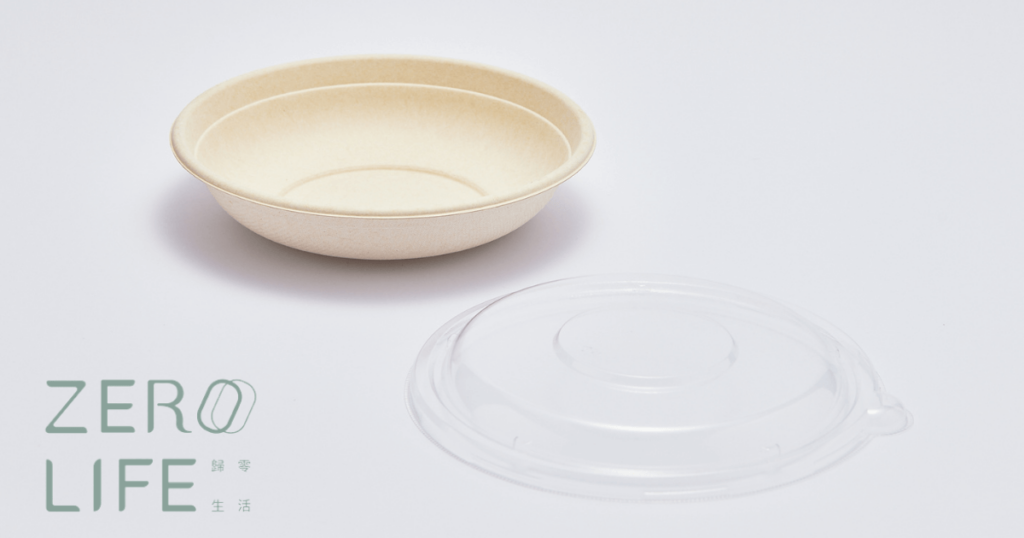
Reducing plastic waste has become non-negotiable in today’s world. Every choice we make as consumers and businesses impacts the environment. For this small business, embracing green packaging was a transformative step forward—not only did it reduce their ecological footprint, but it also resonated deeply with their eco-minded customers. The solution? Plant fiber meal boxes, made from renewable resources like sugarcane and wheat straw that are compostable and biodegradable.
Why This Matters for Businesses and Customers
When you think about the lifecycle of traditional plastic packaging, it’s a grim picture—it lasts for centuries in landfills, pollutes our oceans, and impacts countless species. Plant fiber meal boxes, on the other hand, offer a sustainable alternative with numerous benefits:
- They are compostable, breaking down into organic matter within a few months instead of centuries.
- They don’t require fossil fuels during production, reducing their carbon footprint.
- They appeal to eco-conscious customers who are increasingly seeking businesses aligned with their values.
The Transition to Plant Fiber Packaging: How One Small Business Made the Switch
For this environmentally-conscious small business—a vegan restaurant located in a metropolitan area—the motivation was rooted in two priorities: reducing reliance on plastic and delivering packaging solutions that mirrored their mission of sustainable living. Their decision to switch to plant fiber meal boxes was made after carefully weighing the costs, customer expectations, and environmental impact. Here’s how they navigated the transition:
- Research:** The owners explored various green packaging options. Plant fiber boxes stood out because they were biodegradable, durable, and suitable for both hot and cold meals.
- Cost Analysis:** The initial cost of plant fiber packaging was higher than plastic options, but the team calculated potential savings in waste management fees and garnered support from premium pricing for eco-friendly services.
- Customer Engagement:** They communicated the shift to their customers via social media campaigns, email newsletters, and in-store signage, emphasizing their commitment to sustainability.
- Supplier Partnerships:** After sourcing a reliable supplier, they negotiated bulk pricing to manage expenses more effectively.
- Testing Phase:** The restaurant began using plant fiber meal boxes for select orders, gathering feedback from customers to ensure the new packaging met their functional needs.
Over six months, the restaurant transitioned fully to plant fiber meal boxes—and the results have been impressive.
The Environmental and Business Benefits of Green Packaging
Switching to plant fiber packaging doesn’t just help the planet—it benefits businesses in unexpected ways too. Here are some of the standout advantages that businesses (including the one in this case study) have realized after embracing green packaging solutions:
1. Reduced Plastic Waste
The most obvious benefit is a sharp decline in the amount of plastic waste entering landfills or waterways. Plant fiber meal boxes are compostable, which means they can break down into organic matter under industrial composting conditions, creating a closed-loop system rather than contributing to our waste problems. According to the restaurant’s internal data, they successfully eliminated over 25,000 plastic containers annually by switching to plant fiber alternatives.
2. Enhanced Brand Reputation
Customers are more likely to support businesses that share their values. In this case, the restaurant saw a 30% increase in positive customer reviews after adopting eco-friendly packaging, with many patrons explicitly mentioning how much they appreciated the sustainable practice. In a competitive marketplace, eco-conscious branding gives businesses a significant edge.
3. Versatility and Practicality
You might think plant fiber packaging is a compromise, but these meal boxes are highly versatile. They work seamlessly for a range of foods—whether it’s piping hot soups or frozen desserts—thanks to their sturdy composition. Unlike flimsy materials, they resist leaks and provide an excellent dining experience for on-the-go customers.
4. Cost Savings in the Long Term
Although the initial costs of plant fiber meal boxes are higher, the long-term savings for businesses can be substantial. Compostable packaging reduces waste management expenses and aligns with local government incentives to use eco-friendly materials. For this restaurant, the material switch eventually translated into smaller trash collection bills and, notably, bulk discounts by committing to a single supplier.
How Can Other Businesses Start Their Green Packaging Journey?
If you’re inspired by this case study, you might be wondering how to take the first step towards adopting sustainable packaging. Here are some actionable tips to help:
- Evaluate Your Packaging Needs: Determine the quantity, quality, and type of packaging your business requires, and look for eco-friendly options that match these specifications.
- Source Reliable Suppliers: Research suppliers that offer biodegradable or compostable options. Look for certifications to verify quality and sustainability (e.g., BPI-certified compostable products).
- Consider Bulk Purchasing: Buying in bulk can reduce costs and ensure a consistent supply of materials.
- Educate Your Team: Train employees on the benefits and proper usage of green packaging. Empower your team to advocate for sustainable practices to customers.
- Communicate with Your Customers: Ensure you clearly explain your green packaging initiative, emphasizing how it aligns with your brand values and benefits the planet.
Conclusion: Small Steps Lead to Substantial Change
The success of this green packaging case study highlights a simple but powerful truth: sustainability doesn’t require perfection, just progress. By adopting plant fiber meal boxes, this small business made a tangible difference—not only reducing their environmental impact but also inspiring others in their community to think more critically about single-use plastics. Whether you’re a business owner or a conscious consumer, remember that every choice matters when it comes to protecting our planet.
Let’s work together to make more eco-friendly decisions. If this case study sparked your interest, I’d love to hear your thoughts—and if you’ve already adopted green practices, share your stories in the comments! Together, we can build a more sustainable world.