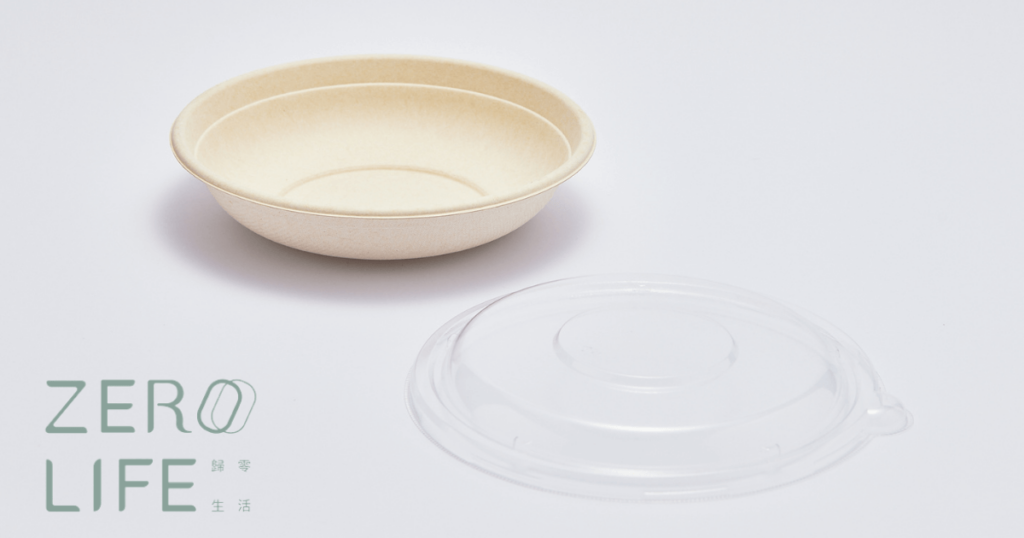
Green Packaging Boxes: The Best Alternatives to Traditional Packaging
The shift toward living sustainably has never been more critical than it is today. With growing concern over plastic waste choking our oceans, landfills overflowing, and climate change accelerating, sustainable solutions have become an urgent necessity. One area where we can all make a tangible difference is in our choice of packaging. From food containers to shipping boxes, embracing eco-friendly alternatives like green packaging boxes can help us create a healthier, cleaner, and more sustainable planet.
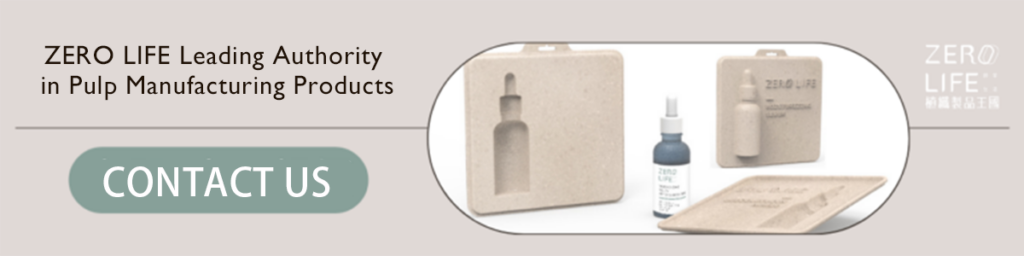
Green packaging boxes, especially those made from plant fibers, offer a robust and environmentally responsible alternative to plastic and other non-biodegradable materials. These boxes are not only highly functional but also biodegradable, compostable, and even recyclable. They’re a guilt-free way to enjoy convenience while staying true to our commitment to sustainability. In today’s post, I’ll be sharing why green packaging boxes are a game-changer, along with real-life examples of how they can replace traditional packaging for a more thoughtful, eco-friendly lifestyle.
Why Choose Green Packaging Boxes?
The reasons for choosing green packaging boxes are clear. Unlike traditional packaging materials that contribute to pollution, green packaging is tailored to reduce environmental damage and promote sustainability. Here are the key reasons why they should be a priority:
- Better for the Environment: Green packaging boxes are made from renewable resources like plant fibers, reducing reliance on finite resources such as petroleum.
- Biodegradability: Unlike plastic, these boxes decompose naturally without leaving harmful residues, closing the loop in waste management systems.
- Reduced Carbon Footprint: Manufacturing green packaging often requires less energy and emits fewer greenhouse gases, making it a climate-conscious option.
- Recyclable and Compostable: Many green packaging materials can be recycled, while others can go straight into compost bins, enriching soil quality over time.
- Healthier for Consumers: Plant fiber boxes are free of toxins and harmful chemicals that can seep into food or other packaged items.
By choosing green packaging boxes, you make an ethical choice that protects the planet while also meeting modern functional demands.
Innovative Materials Used in Green Packaging Boxes
One of the most exciting aspects of green packaging boxes is the innovative use of materials that are both sustainable and practical. Let’s take a closer look at some of these materials:
Plant-Based Fibers
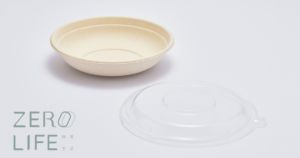
Boxes made from plant-based fibers, such as sugarcane bagasse, bamboo, or wheat straw, are quickly becoming a popular choice. These materials are abundant byproducts of the agricultural industry, making them an incredibly sustainable option. Once used, they can either decompose naturally or be composted. For example, sugarcane bagasse meal boxes are lightweight yet durable, perfect for carrying everything from takeout meals to packed lunches.
Recycled Cardboard
Recycled cardboard offers a second life to paper products, reducing waste and promoting circular economies. This material is cost-effective and widely recyclable, making it ideal for businesses that require sturdy but sustainable packaging solutions. Imagine receiving your online shopping order in packaging that’s not only eco-friendly but also stylishly branded using soy-based inks!
Mushroom Packaging
Believe it or not, mushrooms can grow your next packaging solution! Mushroom packaging involves using agricultural waste bonded together by fungal roots. This material is 100% biodegradable and naturally breaks down into non-toxic substances, ensuring zero waste.
Cornstarch-Based Products
Derived from corn, cornstarch packaging offers a biodegradable alternative to traditional plastic. These products dissolve in water and are compostable, making them a great choice for short-term packaging needs.
Real-World Applications of Green Packaging Boxes
Green packaging boxes are being adopted across various industries, proving their versatility and relevance in today’s world. Let’s explore some of the most common uses, so you can see where they might fit into your life.
Food Packaging
Restaurants and food delivery services globally are replacing plastic containers with green packaging. Whether it’s sturdy, plant-based fiber meal boxes or compostable coffee cups, these options help reduce plastic waste without compromising quality or hygiene. As someone who loves takeout, I was thrilled to discover a local pizzeria that serves its delicious pies in 100% biodegradable boxes. Trust me, the food tastes better when you know the packaging is eco-friendly!
E-commerce Shipping
With the explosive growth of online shopping, the e-commerce industry is a major contributor to packaging waste. Thankfully, forward-thinking brands are now using green packaging boxes made from recycled materials to send out their goods. Even small-scale online businesses on platforms like Etsy are opting for compostable mailers and cardboard inserts for a greener touch.
Events and Catering
Whether it’s a wedding or a corporate event, caterers are embracing eco-friendly solutions like disposable green packaging boxes for serving meals and snacks. Their ability to break down naturally into the environment makes clean-up easier and more sustainable. At a recent event I attended, the caterer used beautifully designed green packaging boxes, and guests loved the gesture toward sustainability.
Personal Use
Green packaging is not just for businesses; it’s perfect for everyday personal use. You can use plant fiber meal boxes for picnics, packed lunches, or even DIY storage projects. Since they’re compostable, disposal is stress-free and planet-friendly.
How to Transition to Green Packaging Boxes
Transitioning to eco-friendly packaging doesn’t have to be complicated. Below are simple steps to make the switch:
- Evaluate Your Needs: Identify the packaging requirements of your business or household to choose suitable types of green packaging boxes.
- Research Sustainable Suppliers: Look for manufacturers or retailers who specialize in eco-friendly materials like plant fiber boxes, recycled cardboard, or compostable packaging.
- Calculate the Costs: While green packaging may be slightly more expensive initially, its long-term benefits outweigh the costs.
- Educate and Inspire Others: Spread awareness about the importance of sustainable packaging, and encourage customers, employees, or family members to make environmentally friendly choices.
- Recycle and Compost: Ensure proper disposal by recycling or composting used green packaging materials whenever possible.
Final Thoughts on Green Packaging Boxes
Incorporating green packaging boxes into our daily lives is one of the simplest yet most impactful ways to promote sustainability. From food delivery to e-commerce and even personal use, these eco-friendly options provide an excellent alternative to traditional packaging by reducing waste and conserving resources. Every small change adds up, and with green packaging boxes, the future can be greener, cleaner, and brighter for generations to come.
Let’s rethink the way we package the things we love. By choosing green, we’re not just embracing innovation but also taking a stand for our planet. Together, we can make sustainability the new standard. What are you waiting for? Let’s get started today!