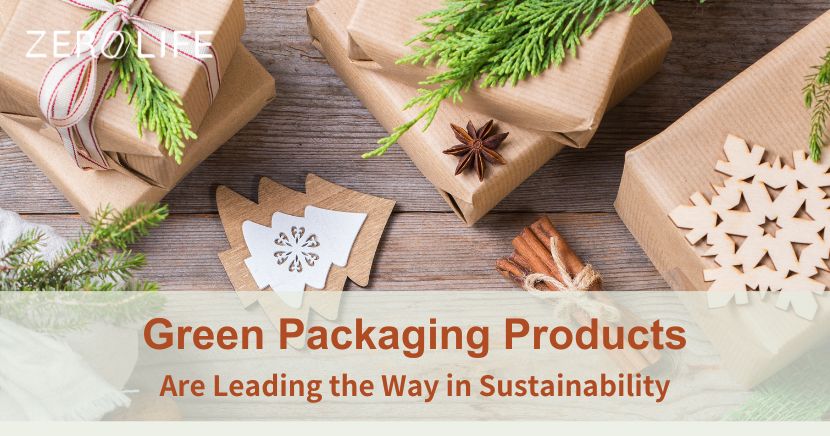
There’s no denying it—our planet needs us to rethink the way we consume and dispose of products. One of the most pressing issues is plastic waste, which pollutes the oceans, harms wildlife, and threatens ecosystems. That’s why sustainable alternatives, like green packaging products, are becoming increasingly important. They are transforming the way we protect our environment while meeting everyday needs. Today, I’ll introduce you to one such product—plant fiber meal boxes—that is paving the way towards a greener future.
Green packaging products are at the forefront of the sustainability movement, offering eco-conscious solutions to reduce waste and combat plastic pollution. Among these innovations, plant fiber meal boxes stand out as a practical and environmentally friendly option for food storage and transport. These biodegradable and compostable alternatives are made from renewable resources, making them a game-changer for both the planet and modern lifestyles.
How Plant Fiber Meal Boxes Are Revolutionizing Green Packaging Products
If you’ve ever stopped to think about how much single-use plastic food packaging ends up in landfills, the numbers might shock you. That’s where plant fiber meal boxes come in, as a sustainable hero. These green packaging products offer eco-conscious individuals and businesses an excellent opportunity to lower their environmental footprint without sacrificing practicality or convenience.
What Are Plant Fiber Meal Boxes Made From?
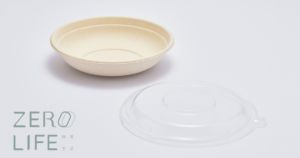
Plant fiber meal boxes are typically crafted from renewable materials such as sugarcane bagasse, wheat straw, bamboo fibers, or palm leaves. These materials are by-products of agricultural processes, meaning they would otherwise be discarded. By repurposing these natural fibers into durable, functional containers, manufacturers are not only reducing waste but also creating eco-friendly packaging solutions.
Key Benefits of Plant Fiber Meal Boxes
Switching to plant fiber meal boxes has numerous environmental and practical benefits. Here are some of the standout advantages:
- Biodegradable and Compostable: Unlike traditional plastic containers, plant fiber meal boxes break down naturally in composting conditions, leaving no harmful residue behind.
- Renewable Materials: The raw materials for these products are sourced from renewable plant resources, reducing reliance on fossil fuels.
- Non-Toxic: Made without harmful chemicals, they are a safe choice for packing hot or cold food items.
- Sturdy and Functional: Despite being plant-based, these boxes are durable, leak-proof, and heat-resistant, making them just as practical as their plastic counterparts.
These benefits not only help reduce environmental impact but also offer peace of mind to users concerned about sustainability and safety.
Why Green Packaging Products, Like Plant Fiber Meal Boxes, Are Essential for a Sustainable Future
Reducing Plastic Waste
Every year, millions of tons of plastic waste enter our oceans, harming marine life and disrupting ecosystems. Green packaging products, such as plant fiber meal boxes, significantly reduce the amount of single-use plastic waste. By switching to these alternatives, we can collectively contribute to a healthier, cleaner environment.
Supporting the Circular Economy
Plant fiber meal boxes align perfectly with the principles of a circular economy, where products are designed to minimize waste and re-enter natural systems as nutrients. Since these boxes are compostable, they can be returned to the earth as organic matter, enriching soil instead of clogging landfills.
Encouraging Responsible Consumer Choices
Choosing eco-friendly options sends a clear message: sustainability matters. By making small yet impactful decisions, like using plant fiber meal boxes, we can inspire others—whether it’s within our families, workplaces, or communities—to adopt greener habits.
How to Integrate Plant Fiber Meal Boxes into Daily Life
Incorporating plant fiber meal boxes into your routine is surprisingly easy. Here are a few practical ways you can start using these green packaging products:
- For Takeout Restaurants and Cafes: Suggest that your favorite eateries switch to plant fiber meal boxes for takeout orders. Many businesses are willing to adopt sustainable practices if customers show interest.
- For Packed Lunches: Use plant fiber meal boxes for meal prepping or packing lunches—whether for work, school, or travel.
- For Events and Parties: Hosting an event? Opt for plant fiber containers instead of disposable plastic plates and trays. They make cleanup eco-friendly and hassle-free.
Additional Green Packaging Products to Consider
Beyond plant fiber meal boxes, there’s a wide range of green packaging products making waves in sustainability efforts. These include:
- Reusable Tote Bags: Ditch plastic bags in favor of sturdy, stylish totes made from organic cotton or recycled materials.
- Beeswax Wraps: Replace plastic wrap with washable, biodegradable beeswax wraps for covering food.
- Compostable Cutlery: Wooden or plant-based cutlery pairs perfectly with plant fiber meal boxes for a completely eco-friendly dining experience.
- Paper-Based Bottles: Innovative paper bottles are emerging as an alternative to plastic beverage containers.
All of these options empower consumers to reduce their reliance on plastic without compromising convenience or functionality.
What’s Next for Green Packaging Innovation?
It’s exciting to see how far green packaging products have come, but the journey doesn’t stop here. Companies are continuing to invest in research and development to improve the durability, affordability, and scalability of sustainable packaging solutions. For example, scientists are experimenting with algae-based materials and advanced bioplastics that could offer even more eco-friendly possibilities.
How You Can Support the Green Packaging Movement
As consumers, we play a vital role in creating demand for these eco-friendly products. Here’s how you can support the shift toward sustainable packaging:
- Advocate for Change: Encourage local retailers and restaurants to adopt green packaging products.
- Choose Sustainable Brands: Support companies that prioritize eco-friendly manufacturing practices and packaging.
- Educate and Share: Spread awareness within your community about the benefits of green packaging alternatives like plant fiber meal boxes.
Final Thoughts
Green packaging products are no longer a niche market—they’re becoming a cornerstone of sustainable living. Plant fiber meal boxes, in particular, are leading the way by offering an eco-conscious alternative to traditional food containers. By switching to these innovative solutions, we can significantly reduce our environmental impact, support renewable resource use, and foster a healthier planet for future generations. Together, our small actions can lead to monumental change. Let’s make sustainability the norm, one meal box at a time.
“`