What Does Green Packaging Really Mean?
As someone who tries to make eco-conscious decisions daily, I’m always intrigued by the term “green packaging.” It’s a phrase we see often, but what does it really mean? At its core, green packaging refers to materials and processes aimed at reducing environmental impact. Whether we’re talking about cutting down plastic or promoting sustainable raw materials, green packaging is an essential step toward a more sustainable future. But today, let’s uncover what truly lies behind the label and why it matters.
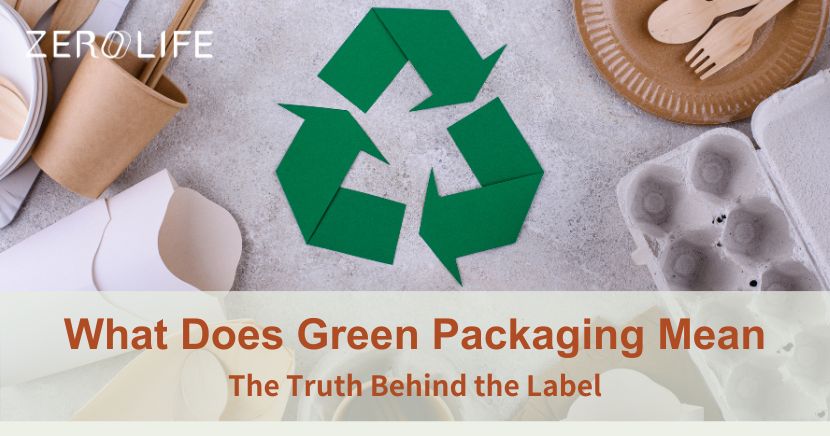
Green packaging goes beyond a catchy title slapped onto a product. It involves choosing plant-based, renewable, or recyclable materials like plant fiber meal boxes, which have become a popular sustainable alternative. These eco-friendly boxes not only minimize waste but also offer practical benefits for food packaging. By diving deeper into its real-world applications, we can understand how green packaging solutions help conserve resources, reduce landfill waste, and support global sustainability efforts.
Green Packaging Meaning: The Eco-Friendly Difference
When exploring the meaning of green packaging, it’s important to understand what sets it apart from conventional packaging. Traditional materials like plastic, Styrofoam, and excessive layers of cardboard often result in pollution and waste accumulation. Green packaging is designed to tackle these issues head-on. But what exactly makes packaging “green”?
Key Characteristics of Green Packaging
To determine whether a product is eco-friendly, here are some key factors that define green packaging:
- Biodegradability: Materials naturally break down over time without releasing harmful chemicals into the environment.
- Sustainability: Packaging is made from renewable resources such as bamboo, sugarcane, or plant-based fibers.
- Recyclability: For materials that can’t biodegrade, being easily recyclable ensures they stay out of landfills.
- Energy-Efficient Production: Manufacturing processes use fewer resources and produce lower emissions.
- Non-Toxicity: Packaging avoids hazardous chemicals, ensuring safety for human use and the planet.
Understanding these features helps you spot the difference between true green packaging and products that merely “greenwash” (appear eco-friendly without real effort).
Why Plant Fiber Meal Boxes Are a Game-Changer
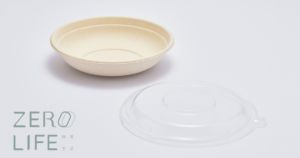
Among the many options for green packaging, plant fiber meal boxes have gained immense popularity—and for good reason. These products are made from agricultural byproducts like sugarcane bagasse, bamboo, or wheat straw, turning waste into valuable resources. Here’s why they’ve become my go-to option for reducing single-use plastic waste.
Environmental Benefits of Plant Fiber Containers
- Renewable Resources: Instead of relying on finite materials, plant fiber boxes use agricultural waste, giving these byproducts a second life.
- Compostable: They break down in composting conditions, leaving behind no toxic residue—talk about circular living!
- Reduced Carbon Footprint: The production of plant fiber materials often uses fewer emissions compared to traditional packaging.
- Plastic Replacement: By substituting harmful plastics, these boxes reduce microplastic pollution in oceans and soils.
Real-World Applications
So, how do we use these plant fiber alternatives in daily life? I’ve found them incredibly versatile and handy.
- Meal Prep: These eco-friendly containers are perfect for packing meals at home or storing leftovers without feeling guilty about waste.
- Takeout Packaging: Many restaurants and cafes are switching to compostable plant fiber boxes for delivery and to-go orders.
- Biodegradable Event Supplies: Hosting a party? Swap out plastic plates and containers for plant fiber alternatives that compost seamlessly after use.
How to Choose the Right Green Packaging
While plant fiber meal boxes are fantastic, it’s important to evaluate products carefully to ensure they’re genuinely sustainable. Here’s a checklist I follow when selecting green packaging:
1. Check for Certified Labels
Always look for certifications like “compostable,” “biodegradable,” or “made from renewable materials.” These indicators help verify a product’s eco-friendly credentials and ensure it performs as advertised.
2. Investigate the Material
Ask yourself: Is this packaging made from post-consumer recycled material? Can it be composted or recycled after use? Opt for containers with clear material sourcing information to avoid falling for greenwashing.
3. Research the Brand
I often look into the company’s practices. Are they committed to reducing waste and emissions from production? Do they encourage customers to recycle or compost their packaging? A transparent, sustainable brand goes a long way toward making a real impact.
Making the Switch: Actionable Steps Toward Eco-Friendly Living
Switching to green packaging is easier than you think. With growing awareness and access to eco-friendly options, simple changes can significantly impact sustainability. Start with these steps:
- Support Local Eco-Friendly Businesses: Choose restaurants and stores actively using plant fiber boxes and other green packaging.
- DIY Composting: If you have a garden, compost plant fiber containers at home to enrich your soil while disposing of waste sustainably.
- Use Reusable Alternatives: For items you use frequently, invest in reusable containers and bags alongside biodegradable packaging for single-use needs.
- Educate Others: Share your knowledge of green packaging with family and friends to encourage them to choose eco-friendly options too.
- Advocate for Change: Advocate for more local governments and businesses to embrace and mandate sustainable packaging practices.
The Future of Green Packaging
As we’ve seen with innovations like plant fiber meal boxes, the potential for green packaging is enormous. Advancements in technology continue to uncover better ways to use natural materials, reduce waste, and combat climate change. The more individuals and businesses prioritize sustainable practices, the closer we get to a greener world.
There’s no denying that choosing green packaging is a meaningful way to contribute to environmental preservation. It’s up to us to demand better solutions and support planet-conscious products. After all, every small choice adds up, and together, we can make a significant impact on reducing pollution and conserving our precious resources.
By making green packaging a daily habit, we’re not only helping the Earth thrive but also inspiring the next wave of innovation in sustainability. So the next time you encounter the label “green packaging,” remember the opportunities it brings for a cleaner, healthier, and more sustainable planet.