5 Green Packaging Examples That Are Changing the Industry
With more consumers prioritizing sustainability, the demand for eco-friendly packaging solutions has soared. Plastic waste has long been a global issue, contributing to pollution and harming ecosystems. Luckily, businesses are stepping up by adopting innovative green packaging options. These alternatives reduce environmental impact, conserve resources, and contribute to a circular economy. Let me take you through five inspiring examples of green packaging that are transforming how industries operate and encouraging us all to make more sustainable choices.
Why Green Packaging Matters Today
Switching to sustainable packaging isn’t just a trendy option; it’s essential for protecting our environment. Traditional single-use materials like plastic can take hundreds of years to decompose and have devastating impacts on wildlife and ecosystems. By embracing green packaging, companies can significantly reduce their carbon footprint, conserve resources, and encourage more responsible consumption. And as consumers, our choices play a big role in supporting these efforts. Here are five remarkable examples that are driving this much-needed change.
1. Plant Fiber Meal Boxes: A Game-Changer for the Food Industry
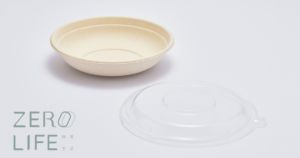
One of the most impressive developments in sustainable packaging is the rise of plant fiber meal boxes. Made from agricultural byproducts such as sugarcane, wheat straw, or bamboo, these containers are fully compostable and biodegradable.
Here’s why plant fiber meal boxes stand out:
- Eco-Friendly Materials: Unlike plastic or Styrofoam, plant fibers decompose naturally within a few months, leaving no toxic residue.
- Durability: Despite being biodegradable, these boxes are sturdy and leak-resistant, making them perfect for takeout food and meal delivery services.
- Versatility: They can handle hot and cold meals, and many are microwave-safe, increasing their usability for consumers.
One real-world example is Vegware, a company that produces compostable meal boxes for restaurants, caterers, and cafes. Businesses using this type of packaging not only reduce plastic waste but communicate their commitment to sustainability to eco-conscious customers.
2. Biodegradable Air Pillows for E-Commerce
With the explosive growth of online shopping, protective packaging has become a significant contributor to waste. That’s why biodegradable air pillows are such an innovative solution. Instead of traditional bubble wrap or Styrofoam peanuts, companies now use air pillows made from plant-based materials like corn starch.
Key benefits of biodegradable air pillows include:
- Minimal Waste: These pillows break down into non-toxic compounds when exposed to composting conditions.
- Lightweight and Cost-Efficient: They provide excellent cushioning without increasing shipping weight, reducing transportation energy use.
- Easily Disposable: Customers can compost or dissolve them in water, simplifying post-purchase waste management.
Companies like Uline and EcoEnclose are making these air pillows readily available for e-commerce brands, ensuring sustainable options are accessible for online retailers.
3. Mushroom-Based Packaging: Nature’s Perfect Replacement for Foam
Mushroom-based packaging, also known as mycelium packaging, is a breakthrough that’s revolutionizing protective materials. Mycelium, the root system of mushrooms, can be grown into various shapes and used as a biodegradable alternative to polystyrene foam.
Advantages of mushroom-based packaging include:
- Renewable and Regenerative: It’s created from agricultural waste, which is bound together by mycelium for a strong yet eco-friendly product.
- Home Compostability: This material breaks down completely in home compost within 30-90 days.
- Customizable Applications: It’s used for everything from protective inserts for electronics to packaging for fragile products like glassware.
Large companies like IKEA and Dell have embraced this technology, reducing the use of Styrofoam in their product packaging. By supporting these brands, consumers indirectly drive demand for more sustainable packaging solutions.
4. Edible Packaging for Food and Beverages
How about packaging that you can eat? Edible packaging is one of the boldest innovations in sustainable materials. These are containers or wrapping made from ingredients like seaweed, rice, or potato starch that are not only safe to eat but also eliminate waste entirely.
Here’s why edible packaging is a game-changer:
- Zero Waste: Since the packaging is edible, there’s nothing left to throw away.
- Food-Safe Materials: These materials are entirely non-toxic and safe for human consumption.
- Eco-Friendly Processing: The production process of edible packaging uses fewer resources compared to synthetic plastics.
A notable example is Notpla, a company producing seaweed-based drink pods for marathons and events, which replace single-use plastic bottles or sachets. Innovations like these are particularly impactful at large gatherings where waste management can be a challenge.
5. Recycled Cardboard and Paper Packaging
While not as flashy as some of the other solutions, recycled cardboard and paper remain essential components of sustainable packaging. These materials are tried-and-tested, widely adopted, and continuously improving in quality and efficiency.
Why recycled cardboard and paper packaging endure as favorites:
- High Availability: They’re widely available and suitable for everything from shipping boxes to gift wrapping.
- Recyclable: After use, these materials can be recycled again, reducing the need for virgin materials.
- Customizable: Businesses can print branding on the material without requiring excessive energy or harmful chemicals.
Small businesses and major corporations alike, such as Amazon, have adopted recycled packaging for shipping purposes. Choosing minimalistic cardboard packaging also reduces unnecessary fillers and additional waste.
How You Can Support Green Packaging Trends
As consumers, we have the power to drive change through our purchasing habits. If you’re looking to support sustainable packaging efforts, here are a few simple actions you can take:
- Choose Products with Eco-Friendly Packaging: Opt for brands that prioritize recyclable, compostable, or biodegradable materials.
- Advocate for Change: Let companies know that sustainable packaging matters to you by leaving reviews, filling out surveys, or mentioning it on social media.
- Compost or Recycle Responsibly: Follow local waste guidelines to properly dispose of compostable and recyclable materials.
- Reduce and Reuse: Beyond packaging, try to reduce waste in your daily life by choosing reusable options over single-use products.
Final Thoughts on Green Packaging Examples
The shift toward sustainable packaging is not just a trend—it’s a necessary step in mitigating global environmental challenges. From plant fiber containers to biodegradable air pillows and edible packaging, there are so many exciting innovations that provide practical solutions without harming our planet. Choosing products that use these materials sends a powerful message to industries: sustainability isn’t optional; it’s essential. By making informed choices, we can all play a vital role in creating a greener, healthier future.