Every choice we make has an impact on the environment, whether it’s the car we drive or the packaging we use daily. One simple yet powerful step toward a more sustainable future is embracing eco-friendly alternatives to traditional products—starting with how we package food and goods. Enter green packaging, a revolutionary practice that not only reduces waste but actively contributes to healing our planet. Let’s explore how this solution can make a world of difference, starting with plant fiber meal boxes.
What is green packaging, and why should you care? In today’s throwaway culture, packaging waste—especially plastics—has become one of the greatest threats to our environment. Green packaging provides sustainable, biodegradable, and reusable alternatives designed to protect our ecosystems and cut down on waste. Among the most exciting innovations are plant fiber meal boxes, which are renewable, compostable, and perfect for replacing single-use plastic containers. Let’s dive into their benefits and how they’re reshaping the way we think about packaging.
What Is Green Packaging?
Green packaging refers to materials and methods used in packaging that have minimal impact on the environment. Unlike conventional packaging, which often relies on plastics and other non-renewable sources, green packaging focuses on sustainability, biodegradability, and reduced carbon footprints. It’s all about making choices that are better for the planet.
Green packaging materials can include plant-based items, recycled content, and biodegradable options. They’re designed to break down naturally, reducing their environmental impact. Whether it’s for food, cosmetics, or online shopping, there are eco-friendly alternatives replacing traditional harmful materials every day.
Why Should You Consider Green Packaging?
The benefits of green packaging go beyond aesthetics or trendy eco-consciousness. Making the switch impacts our planet in measurable, meaningful ways:
- Reduces Waste: Traditional packaging often ends up in landfills or oceans. Green alternatives break down naturally, minimizing pollution.
- Conserves Resources: Many eco-friendly packaging options are made from renewable materials like plants or recycled content.
- Improves Brand Image: For businesses, using green packaging aligns with consumer demand for sustainability and demonstrates social responsibility.
- Helps Combat Climate Change: Producing biodegradable or reusable materials often requires less energy, reducing carbon emissions.
Plant Fiber Meal Boxes: A Sustainable Food Packaging Solution
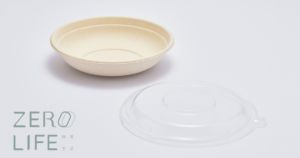
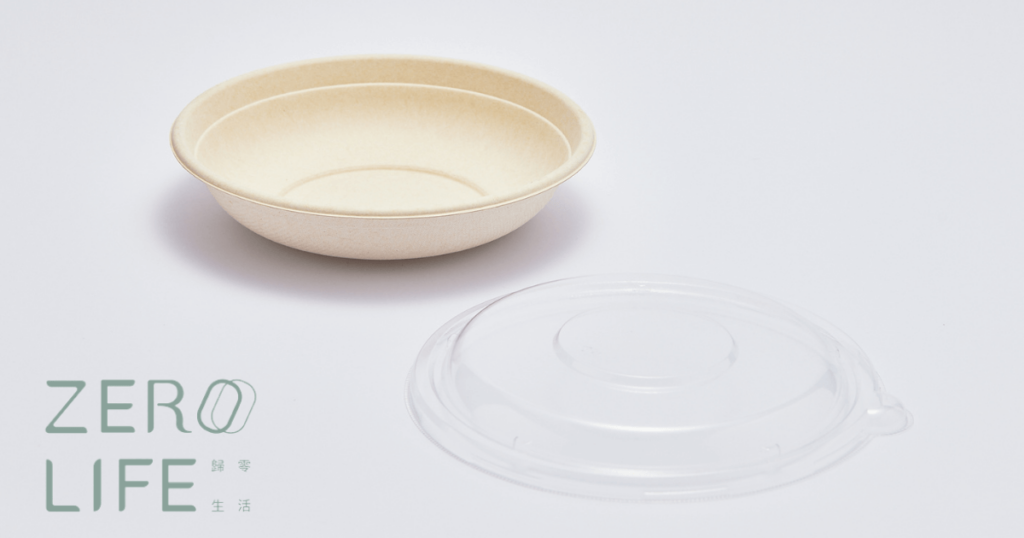
One of the most promising green packaging innovations is plant fiber meal boxes. These containers are crafted from agricultural byproducts such as sugarcane bagasse, bamboo, or wheat straw fibers. Essentially, they take waste materials from agriculture and turn them into something both beautiful and functional.
What Makes Plant Fiber Meal Boxes Eco-Friendly?
The eco-friendly nature of these boxes begins with their origins. By using renewable agricultural resources that would otherwise go to waste, manufacturers reduce reliance on virgin materials. Here are some key features of plant fiber meal boxes:
- Biodegradable: Unlike plastic, plant fiber naturally breaks down in composting conditions.
- Non-Toxic: These boxes don’t leach harmful chemicals into food, making them safe and sustainable.
- Energy Efficient: The production process for plant fiber uses less energy and produces fewer emissions compared to conventional plastic manufacturing.
Practical Benefits for Everyday Consumers
Switching to plant fiber meal boxes doesn’t just benefit the planet—it’s also practical for users. Here’s why:
- Durability: These containers are sturdy and can hold wet or greasy foods without breaking down.
- Convenience: Many plant fiber boxes are microwave- and freezer-safe, making them ideal for leftovers.
- Eco-Conscious Living: For individuals striving to live sustainably, using plant fiber packaging reduces your carbon footprint.
Applications of Plant Fiber Meal Boxes
Plant fiber meal boxes are incredibly versatile and can be used in various settings:
- Takeout and Food Delivery: Restaurants and food businesses are increasingly adopting these eco-friendly containers to replace Styrofoam or plastic.
- Events and Catering: Sustainable packaging elevates the experience at weddings, parties, and other large gatherings.
- Home Use: Swap out plastic containers for plant fiber options when packing lunch or storing leftovers.
How to Make the Switch to Green Packaging
If you’re ready to embrace green packaging, here’s how to start:
For Individuals
- Support Eco-Friendly Brands: Choose businesses that prioritize sustainable packaging for their products.
- Buy in Bulk: Purchasing items in larger quantities often reduces packaging waste.
- Compostable Options at Home: Use compostable meal boxes and properly dispose of them in your local composting system.
For Businesses
- Source Green Materials: Partner with suppliers that offer biodegradable or recyclable packaging materials.
- Educate Your Customers: Label your eco-friendly packaging clearly and share its benefits with your audience.
- Invest in Sustainability: Consider a long-term approach by analyzing the carbon savings of switching to green packaging.
Final Thoughts on Green Packaging
The shift toward green packaging, especially innovations like plant fiber meal boxes, highlights our collective responsibility to protect the planet for future generations. While the transition may seem small or gradual, every step counts when it comes to reducing waste and promoting sustainability. Whether you’re an individual looking to make greener choices or a business aiming to align with environmental goals, adopting green packaging is a win-win solution for both people and the planet.
The journey toward sustainability begins with informed choices. Choose green packaging today, and become part of the global movement shaping a cleaner, healthier Earth tomorrow.