Here is the structured and SEO-optimized article formatted for the WordPress Classic Editor:
—
Sustainability is more than just a buzzword; it’s a call to action. One area where we can make a significant difference is in the way we package and consume food. Plastic waste continues to harm our planet, but alternatives such as plant fiber meal boxes offer a sustainable solution. These eco-friendly options not only help reduce environmental impact but also provide businesses and individuals with cost-effective ways to align with green living practices.
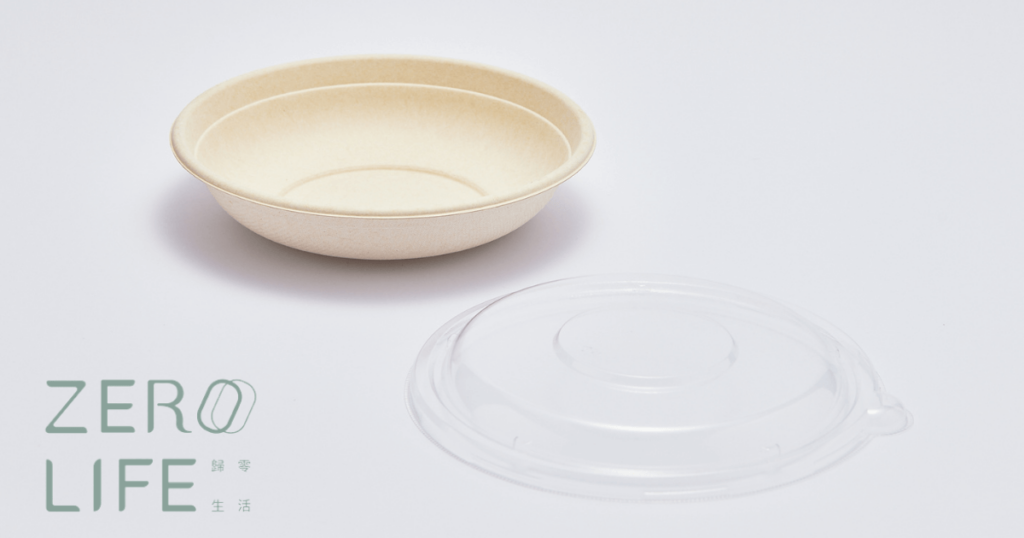
Plant fiber meal boxes are revolutionizing the world of food packaging by offering a biodegradable, compostable, and affordable alternative to plastic. Made from renewable resources like sugarcane bagasse, wheat straw, or bamboo pulp, these boxes are designed to minimize waste and carbon footprints. Whether you’re a restaurant owner trying to go green or simply someone aiming to live sustainably, these packaging solutions are an inspiring step in the right direction.
Sustainable Food Packaging Solution: Why Plant Fiber Boxes Are the Future
Plastic packaging has been an environmental challenge for decades. Consider this: over 300 million tons of plastic are produced globally every year, with a substantial portion ending up in landfills or polluting oceans. The transition to sustainable food packaging like plant fiber meal boxes addresses this growing crisis.
### What Are Plant Fiber Meal Boxes?
Plant fiber meal boxes are food containers crafted from natural agricultural residues such as:
- Sugarcane bagasse (a by-product of sugar production)
- Wheat straw fibers
- Bamboo pulp
- Wood fibers from sustainably managed forests
These materials are processed into a durable and food-safe packaging product that decomposes in months, unlike plastic, which can take hundreds of years to break down.
Environmental Benefits of Plant Fiber Packaging
Switching to plant fiber meal boxes offers numerous environmental advantages:
- Reduces plastic waste, which accounts for significant pollution in ecosystems.
- Minimizes dependency on oil and nonrenewable resources used for plastic production.
- Decomposes naturally, improving soil health when composted.
- Lowers greenhouse gas emissions compared to traditional plastic manufacturing processes.
Beyond these environmental benefits, adopting plant fiber containers signals a commitment to sustainability, which resonates with eco-conscious consumers worldwide.
Sustainable Food Packaging Solution for Businesses
If you’re running a business in the food industry, adopting plant fiber meal boxes can positively transform your operations. Whether you’re a small café, large restaurant, catering service, or food delivery business, this packaging solution is practical, ethical, and cost-effective.
### Why Businesses Should Transition to Eco-Friendly Packaging
Here are some key reasons businesses should embrace sustainable food packaging:
- **Eco-Conscious Consumer Preferences:** Surveys reveal that customers are more likely to support businesses that offer sustainable and biodegradable products.
- **Compliance with Regulations:** Many cities and countries are enacting bans on single-use plastics, and switching to plant fiber meal boxes ensures you stay compliant with these laws.
- **Cost Efficiency:** While plant fiber packaging may seem more expensive initially, bulk purchasing and the increasing demand are driving costs down, making it competitive for businesses.
- **Brand Reputation:** Being associated with green initiatives enhances your brand image, helping you win customer trust and loyalty.
### Practical Applications for Restaurants and Takeout Services
Using plant fiber meal boxes doesn’t require a complete overhaul of your operations. There are many practical ways to integrate them seamlessly:
- Replace all single-use plastic containers with plant fiber alternatives for dine-in and takeout services.
- Offer biodegradable cutlery and napkins alongside the fiber boxes to create fully sustainable meal kits.
- Educate customers by printing eco-friendly messages or QR codes leading to a sustainability statement on your packaging.
When customers see your effort to reduce waste, they’re likely to become repeat patrons and even advocates for your business.
Making the Switch: Tips for Individuals
Sustainable food packaging isn’t just for businesses. Individuals too can play a significant role in promoting eco-friendly practices through informed choices. Here’s how:
### How to Use Plant Fiber Meal Boxes in Everyday Life
Switching to plant fiber packaging is easier than you think:
- Start by packing your kids’ lunches in fiber-based containers instead of regular plastic ones.
- Use them for picnics, parties, or gatherings to minimize waste and cleanup time.
- Encourage your favorite local restaurants to adopt biodegradable packaging for takeout orders.
Reducing your reliance on plastic isn’t just about buying alternative products—it’s about fostering sustainable habits in your household and community.
Making Composting a Habit
Here’s an eco-tip: after using a plant fiber meal box, compost it instead of discarding it into the trash. Composting plant fiber materials contributes to:
- Reducing waste that ends up in landfills.
- Enriching soil quality with natural nutrients.
- Lowering methane emissions caused by organic waste in landfills.
Even if you don’t have a backyard composting setup, many communities around the world are introducing composting services. Check if your area offers this service and make it part of your routine.
Sustainable Food Packaging Solution: The Way Forward
The move toward sustainability in packaging is no longer optional—it’s essential, and plant fiber meal boxes are paving the way for a greener future. When we choose biodegradable packaging, we aren’t just reducing plastic waste. We’re supporting a global movement toward conserving our planet’s resources for generations to come.
Additional Resources for Sustainability
To further your journey into eco-friendly living, here are some helpful steps and guides you can follow:
- Research local laws and incentives for businesses switching to biodegradable packaging.
- Participate in workshops or webinars on composting and waste management.
- Introduce these ideas to your community or workplaces to spread awareness.
By coming together and making small, mindful changes, we can drive a substantial impact in reducing waste and creating a cleaner environment.
—
In conclusion, adopting plant fiber meal boxes is a tangible step toward a sustainable food packaging solution that benefits businesses, individuals, and the planet. Together, let’s take responsibility for reducing waste and protecting the Earth with every meal we enjoy.
—
This article is ready to be copied into the WordPress Classic Editor. It is well-structured with appropriate headings and formatted HTML tags. Let me know if you want any additional changes!