“`html
The conversation around sustainability has never been more urgent, and food packaging is one of the key fronts in this battle. As we try to reduce our reliance on single-use plastics, innovative sustainable materials are paving the way for a cleaner, greener future. Among these advancements, plant fiber meal boxes and other biodegradable solutions are proving that eco-friendly packaging is no longer just an ideal but a practical reality. Here’s everything you need to know about these exciting alternatives.
Sustainable food packaging is not just about cutting down plastic waste. It’s about rethinking how we package, carry, and consume food, using materials that don’t harm the planet. One of the most innovative solutions today is plant fiber meal boxes—an eco-conscious alternative made from renewable resources. Lightweight, compostable, and durable, these boxes are transforming how we tackle food waste and packaging waste simultaneously. Adopting these options is a win-win for both our environment and future generations.
Sustainable Food Packaging: Why It Matters
It’s no secret that plastic waste is wreaking havoc on the environment. From polluting oceans to filling up landfills, our dependence on single-use plastics has led us to a tipping point. But there’s good news: sustainable food packaging solutions, such as plant fiber meal boxes and compostable materials, are here to change the narrative.
The Environmental Toll of Plastic Packaging
Traditional plastic packaging has several downsides, including:
- Non-biodegradable: Plastics can take hundreds of years to break down.
- Resource-intensive: Plastics are derived from non-renewable fossil fuels.
- Pollution: Plastic waste often ends up in waterways, harming wildlife and ecosystems.
As more people become aware of these consequences, the demand for sustainable alternatives has grown. This shift is pushing both consumers and businesses to embrace packaging that aligns with eco-friendly values.
The Role of Plant Fiber Products
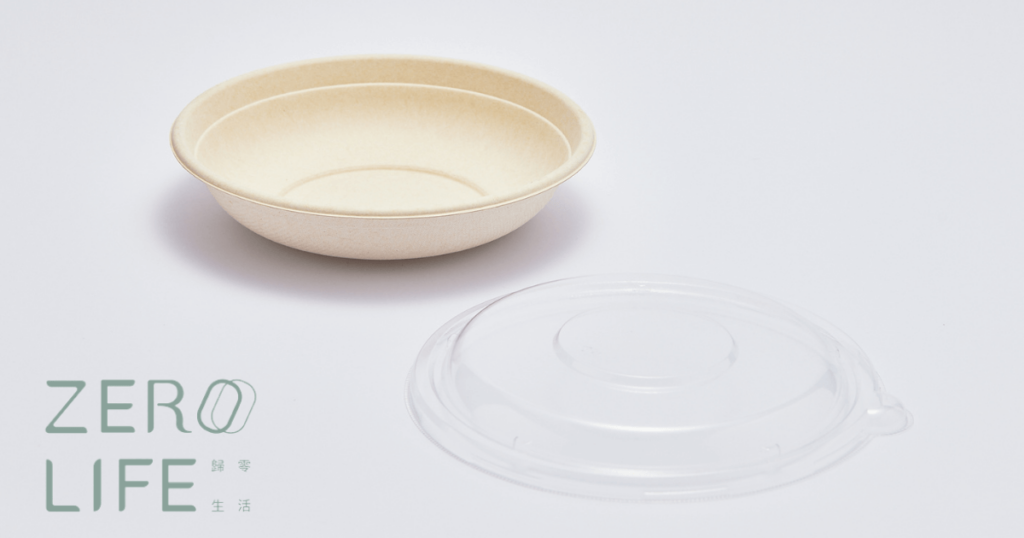
Plant fiber packaging is leading the charge in sustainable food packaging. Crafted from agricultural byproducts like wheat straw, sugarcane bagasse, and bamboo, these materials are:
- Compostable: They break down naturally into nutrient-rich soil within weeks.
- Renewable: They’re made from fast-growing plants and agricultural waste.
- Versatile: They can handle hot and cold food, making them ideal for various applications.
By choosing plant fiber meal boxes, you’re not just opting for a disposable item—you’re supporting a sustainable and circular economy.
7 Innovative Materials for Sustainable Food Packaging
The quest for eco-friendly packaging has sparked a wave of innovation. Here are seven cutting-edge materials worth watching as they redefine the food packaging industry:
- Plant Fiber Meal Boxes: Made from agricultural byproducts like sugarcane bagasse and wheat straw, these boxes are completely compostable and biodegradable. They’re perfect for takeout meals, storing leftovers, and maintaining freshness without the guilt of plastic waste.
- Edible Packaging: Imagine packaging that you can eat! Materials such as seaweed and rice paper create wraps and pouches that dissolve or can be safely consumed with your food.
- Mushroom Packaging: This biodegradable material is made from mycelium, the root structure of fungi. It’s a sturdy, compostable option for food and beverage packaging.
- Bioplastics: Derived from renewable resources like corn starch, cassava, and potato, bioplastics are a cleaner alternative to petroleum-based plastics.
- Algae-Based Packaging: Algae-based materials are rapidly gaining traction for their lightweight, compostable properties and are particularly suited for single-serve items like condiment sachets.
- Palm Leaf Plates and Bowls: These sturdy, natural products are made from fallen palm leaves. They’re heat-resistant, durable, and an excellent alternative to plastic or styrofoam catering items.
- Beeswax Wraps: Popular in households, these reusable wraps are made from organic cotton infused with beeswax and can replace plastic wrap for food storage.
Each of these materials offers a unique approach to reducing waste and conserving resources. While they vary in functionality, they all share one important feature: a commitment to sustainability.
How to Incorporate Sustainable Food Packaging into Your Life
Switching to sustainable packaging doesn’t have to be complicated. Here are some actionable tips for making a positive impact on the environment:
Choose Compostable Takeout Options
If you’re ordering food from a restaurant, check if they offer compostable or biodegradable containers. Plant fiber meal boxes are becoming increasingly popular in food delivery services. By supporting businesses that adopt these solutions, you encourage wider industry adoption.
Prioritize Packaging-Free or Low-Waste Products
When grocery shopping, opt for products with minimal packaging or those packaged in recyclable or compostable materials. Bulk-buying food items and bringing your own containers can reduce packaging waste significantly.
Support Brands Embracing Sustainability
Seek out brands and restaurants actively using eco-friendly materials. From food trucks to cafes, businesses that offer plant-based packaging or innovative solutions deserve your support.
Compost Your Packaging
If you’re buying compostable packaging, dispose of it properly to maximize its environmental benefits. Many municipalities now offer industrial composting facilities where items like plant fiber meal boxes can break down efficiently.
The Future of Sustainable Food Packaging
The rise of innovative sustainable materials signals a promising future. It’s no longer about simply replacing plastics but rethinking the whole lifecycle of a product. With advancements like plant fiber meal boxes and packaging made from agricultural byproducts, we’re inching closer to a circular economy where waste is minimized, and resources are reused.
As consumers, our choices matter. By supporting these advancements, we’re sending a powerful message to industries to prioritize sustainability. Together, we can reduce plastic pollution, conserve resources, and create a healthier planet for generations to come.
What steps are you taking to embrace sustainable food packaging in your daily life? Share your thoughts in the comments below and let’s inspire each other toward eco-friendly living!
“`