Why Eco Packaging in Malaysia is Gaining Momentum
The shift to eco packaging in Malaysia is more than just a trend—it’s a necessity. With the world producing millions of tons of plastic waste each year, reducing reliance on non-biodegradable materials is crucial. Malaysia, like many countries, has faced significant challenges with plastic pollution, but bold steps are being taken to move towards greener alternatives.
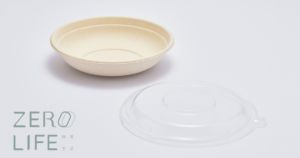
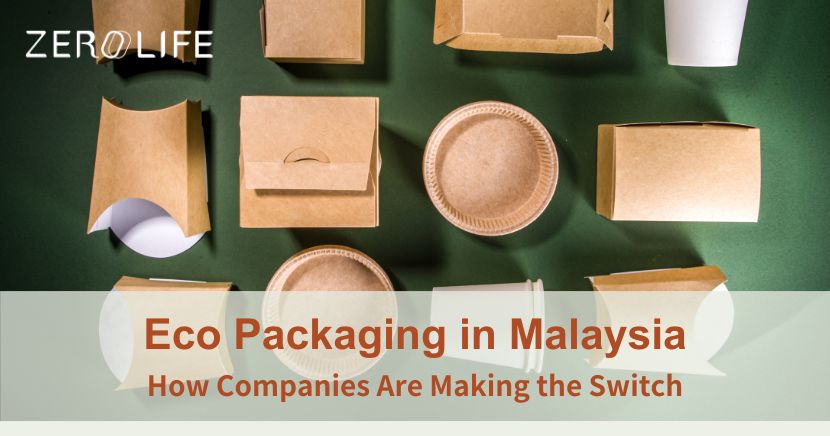
Plant fiber meal boxes are a prime example of how businesses are making changes. These environmentally friendly containers are made from agricultural byproducts like sugarcane bagasse, wheat straw, and other natural fibers. They’re biodegradable, compostable, and free from harmful chemicals, making them an excellent alternative to traditional plastic packaging.
Addressing the Plastic Problem
Plastics can take hundreds of years to decompose, contributing to global pollution and harming marine and terrestrial ecosystems. In contrast, plant fiber meal boxes quickly break down into organic matter, reducing waste in landfills and oceans. By embracing eco packaging, Malaysia is making meaningful strides toward solving its growing plastic waste problem.
The Benefits of Plant Fiber Meal Boxes
Switching to plant fiber meal boxes offers numerous advantages that appeal to both businesses and consumers. These benefits are not just about being “eco-friendly” but extend to practical, financial, and customer-oriented advantages. Here’s what makes them a smart choice:
1. Environmental Sustainability
Plant fiber containers are biodegradable and decompose naturally within weeks or months. Unlike plastics, which linger in the environment for decades, this sustainable option contributes to a circular economy where waste becomes a resource.
2. Durable and Practical
If you’re worried about switching from plastic to something “fragile,” you’ll be pleasantly surprised. Plant fiber meal boxes are sturdy and heat-resistant, holding up well under various food conditions—whether it’s hot soup or greasy takeout meals. For businesses, this means maintaining the quality and convenience customers expect.
3. Cost-Effective in the Long Run
While eco-friendly packaging may seem more expensive upfront, adopting these materials can reduce costs in other areas. For example:
- Reducing the environmental clean-up costs associated with plastic pollution.
- Improving brand image and appealing to eco-conscious customers.
- Preparing for stricter regulations on single-use plastics in the future.
4. Attracting Green-Minded Consumers
More and more customers are making decisions based on sustainability. Businesses that adopt plant fiber packaging demonstrate a commitment to the environment, giving them a competitive edge among younger, eco-conscious demographics.
How Companies in Malaysia Are Making the Switch
Several businesses in Malaysia are setting examples of how to embrace eco packaging. From small cafes to large food and retail outlets, the adoption of plant fiber meal boxes is becoming evident across various industries.
Food and Beverage Industry
In fast-paced urban hubs like Kuala Lumpur and Penang, restaurants and cafes are adopting eco-friendly packaging for takeout and delivery. For instance:
- Local chains have replaced Styrofoam containers with plant fiber boxes to deliver hot meals without compromising environmental values.
- Startup businesses are branding their packaging as “green-certified” to appeal to eco-conscious diners.
Retail Businesses
Retailers are joining the movement by using plant fiber trays and boxes for pre-packaged goods like baked items or fresh produce. This reduces their dependency on plastic wrappers and builds a green identity aligned with modern sustainability trends.
Corporate Responsibility Among MNCs
International companies operating in Malaysia are also stepping up, integrating biodegradable packaging into global sustainability initiatives. Their influence is helping to mold Malaysia’s corporate sector into a more eco-conscious environment while driving demand for plant fiber packaging.
How You Can Support the Movement
The switch to eco-packaging doesn’t just rest on companies—it’s a shared responsibility. Here’s how you can contribute to the movement:
1. Choose Businesses That Use Eco Packaging
Support restaurants, retailers, and brands that prioritize environmentally friendly packaging. Your purchase decisions can encourage more companies to make greener choices.
2. Advocate for Sustainable Change
Raise awareness about the importance of eco-packaging on social media or within your community. Sharing success stories of businesses making eco-friendly changes can inspire others to follow suit.
3. Reduce Single-Use Packaging
Whenever possible, bring your own reusable containers or bags, reducing your reliance on disposable packaging—even if it’s made from eco-friendly materials.
4. Start Composting
Plant fiber packaging is compostable, enabling you to break them down into organic compost instead of sending them to a landfill. Composting at home supports waste reduction and nutrient recycling within your community.
Challenges in Adopting Eco Packaging in Malaysia
Of course, challenges to wider adoption still exist. Materials like plant fiber can be more expensive than cheap plastics, posing a barrier for smaller businesses. Additionally, infrastructure issues—such as limited composting and recycling facilities—hinder the full potential of eco-packaging systems.
To address these issues, greater emphasis is needed from policymakers, organizations, and consumers. Subsidies for eco-businesses, stricter regulations on single-use plastics, and better education on environmental practices can pave the way for smoother transitions.
Moving Towards a Greener Future
The rise of eco-packaging in Malaysia, led by innovative solutions like plant fiber meal boxes, is a testament to the country’s commitment to sustainability. While challenges remain, the growing momentum among businesses, government initiatives, and consumer awareness signals a hopeful future. Together, we have the power to push forward and ensure that eco-packaging becomes the new normal, one sustainable solution at a time.
What steps will you take to support eco packaging? Let’s start today—for Malaysia, the planet, and the generations to come.