In today’s world, where sustainability and eco-consciousness are more than just buzzwords, every decision we make counts. As business owners, choosing the right food packaging containers is one of the most impactful decisions to reduce waste while contributing to a healthier planet. Whether you’re running a local café or a global meal delivery service, opting for sustainable packaging benefits not only the environment but also your brand image. Let’s explore how you can make eco-friendly choices that support a better tomorrow.
Choosing the right food packaging containers for your business requires balancing functionality, cost-effectiveness, and environmental consciousness. With the growing popularity of plant fiber meal boxes, businesses now have access to packaging solutions that are biodegradable, compostable, and versatile. This guide will help you navigate the benefits of these sustainable options, including their practical uses, how they can enhance your business’s reputation, and why they are the right choice for a sustainable future.
Why Choose Sustainable Food Packaging Containers?
The benefits of switching to sustainable packaging go beyond aesthetics or trendiness—they align your brand with environmental values and meet the demands of today’s conscious consumers. Here are some compelling reasons why investing in eco-friendly packaging is the smart move:
- Environmental Impact: Reducing reliance on single-use plastics decreases pollution and helps protect marine ecosystems.
- Customer Preference: Consumers are prioritizing brands that showcase commitment to sustainability.
- Regulatory Compliance: Many countries are introducing stricter laws against non-recyclable plastics, making alternatives necessary for the future.
- Competitive Edge: Offering eco-conscious packaging sets your business apart from competitors in the market.
Understanding Eco-Friendly Food Packaging Containers
Eco-friendly containers are made from biodegradable and compostable materials, such as plant fibers, sugarcane (bagasse), bamboo, or cornstarch. Unlike traditional single-use plastics, these materials break down naturally, sometimes within weeks, reducing landfill waste. Here are some popular types of sustainable food packaging:
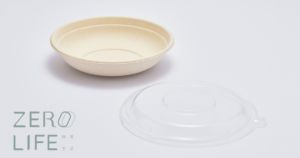
- Plant Fiber Meal Boxes: Made from residues like sugarcane pulp, these sturdy containers are ideal for hot or cold foods.
- Compostable Bowls and Cups: Perfect for soups, salads, or beverages, they’re versatile and completely biodegradable.
- Paper-Based Packaging: Great for lighter items, such as sandwiches or bakery goods, with a minimal environmental footprint.
The Benefits of Plant Fiber Meal Boxes
One of the most popular choices among sustainable food packaging containers is the plant fiber meal box. These containers combine functionality with eco-friendliness, making them an excellent choice for businesses of all types. Here’s why they’re a standout option:
1. Biodegradability and Compostability
Plant fiber meal boxes decompose naturally within weeks under proper conditions, leaving no toxic residue. Consumers can even compost them at home, contributing to a circular waste system.
2. Versatility for All Types of Foods
Unlike flimsy alternatives, these containers are heat-resistant, oil-proof, and sturdy enough to hold both dry and liquid foods. This means they’re suitable for everything from stir-fry dishes to soups.
3. Health-Safe Materials
Free from harmful additives or toxins, plant fiber packaging ensures your food remains safe during storage and transport. Consumers now expect businesses to prioritize health as much as convenience.
4. Customization for Branding
These eco-friendly boxes aren’t just functional—they offer excellent opportunities for branding. Many vendors provide customizable designs, allowing your logo or message to stand out.
How to Choose the Best Food Packaging Containers for Your Business
Choosing the right containers doesn’t have to be overwhelming. By considering your business type, food offerings, and sustainability goals, you can make informed choices that satisfy both your needs and your customers’ expectations. Here’s a step-by-step guide:
- Evaluate Your Menu: If you primarily serve hot meals, look for containers that can handle high temperatures, like plant fiber meal boxes. For cold dishes, compostable bowls or paper packaging may suffice.
- Set Your Sustainability Goals: Determine whether your focus is on fully compostable materials, reducing CO2 emissions, or enhancing recyclability.
- Consider Regional Regulations: Research local laws about packaging materials, especially if single-use plastics are banned in your area.
- Pick the Right Vendor: Choose packaging suppliers that provide certifications (e.g., BPI-certified compostable) to ensure authenticity.
- Factor in Cost and Scalability: Eco-friendly options are increasingly affordable, but ensure your choice is viable as your business grows.
Additional Tips for Implementing Sustainable Packaging
To maximize the impact of your eco-conscious initiatives, consider these simple yet effective steps:
- Educate Your Customers: Include clear labeling to indicate how to dispose of or compost your packaging.
- Reduce Overall Waste: Use packaging that fits portion sizes accurately to minimize waste.
- Collaborate with Recycling Programs: Partner with local recycling or composting initiatives to boost your environmental contribution.
Wrapping It Up
Switching to sustainable food packaging containers is an investment in your business, your consumers, and our planet. By prioritizing eco-friendly materials like plant fiber meal boxes, you not only reduce environmental harm but also align your brand with the values of today’s conscious consumer. With their versatility, biodegradability, and appeal, these packaging solutions offer functionality without compromise. Whether you’re taking your first steps toward sustainability or enhancing an established eco-friendly business model, the right packaging solutions can make a meaningful difference—one box at a time.
For customized eco-friendly packaging solutions, join our official Line account for direct inquiries!