
Packaging design is an art and science combining creative concepts, material selection, and printing technology. Its purpose is to give products an appealing appearance, convey brand messaging, and achieve functionality and practicality.
At ZeroLife, sustainable packaging design is integrated with eco-friendly materials, offering innovative solutions for modern brands.
About Packaging Design
Most companies rely on in-house designers familiar with their products to create packaging designs. They then consult packaging or printing experts for professional input before outsourcing production. Packaging is not merely a product’s outer shell; it represents the brand’s image and acts as a communication bridge between the product and the consumer.
Packaging design encompasses multiple aspects, including visual appeal, material selection, structural design, and market research. Its goals are to create a unique, eye-catching appearance while ensuring product protection, transportation efficiency, and shelf presentation.
For customized eco-friendly packaging solutions, join our official Line account for direct inquiries!
The 5 Key Elements of Packaging Design
- Brand and Market Positioning
Packaging design starts with understanding the brand’s identity, product positioning, and market trends. Designers must grasp the core values of the brand and the characteristics of the target audience to determine the direction and strategy of the design. - Visual Appeal
The aesthetics and visual impact of the packaging are vital to attracting consumers. Through creativity and design skills, packaging must stand out on the shelf, enhance brand recognition, and boost sales. - Functionality and Usability
Beyond appearance, packaging must offer functional and practical benefits. It should protect the product from damage during storage and transportation and, in some cases, assist with product display or usage. - Sustainability and Environmental Friendliness
With growing environmental awareness, sustainability has become a critical focus. Designers must choose eco-friendly materials and production methods to create biodegradable, recyclable, or reusable packaging, reducing the environmental impact. - Cost Efficiency
While aligning with brand values and market trends, packaging design must also meet budget constraints. Striking a balance between aesthetic appeal, functionality, and cost efficiency ensures practical and appealing packaging without unnecessary extravagance.
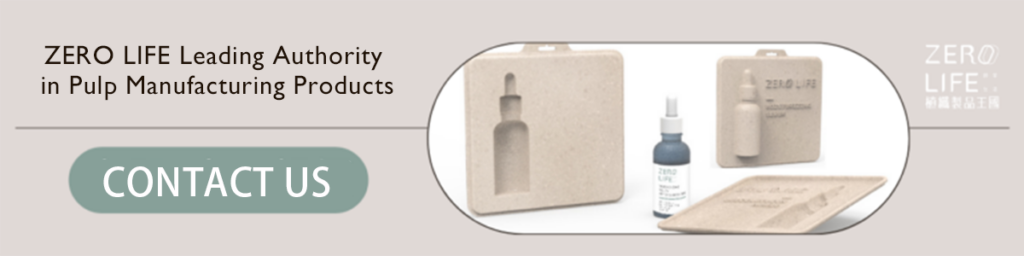
Effective packaging design blends creativity and technology within an acceptable budget. At ZeroLife, our pulp packing boxes showcase sustainable design tailored to brand values.
For more eco-friendly packaging insights, contact our professional team via ZeroLife’s official WhatsApp!
Three Key Points for Packaging Design Ideation
- Product Positioning and Target Market
Designers must deeply understand the product’s positioning and target demographic to determine the style, color scheme, and form of the packaging. For instance:
- For food products targeting young mothers, the design might lean toward simplicity and elegance, emphasizing natural and additive-free qualities.
- For teenagers, vibrant colors and bold designs highlighting taste and excitement might be more appropriate.
- Brand Image and Values
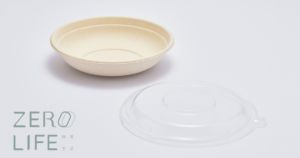
Packaging design must align with the brand’s image and values, enhancing brand recognition and coherence. For example, eco-friendly tableware and lunchbox designs using natural ZeroLife materials better convey sustainability compared to traditional plastic packaging. - Innovation and Uniqueness
Each design should incorporate distinctive elements and styles to captivate consumers, sparking interest and purchase intent.
The Five Stages of Packaging Design
- Market Positioning and Consumer Research
Understand the product’s features, target audience, and competitors to shape the design style and marketing strategy. - Concept Development and Initial Proposals
Based on research, designers create conceptual designs and preliminary drafts, considering appearance, structure, materials, costs, and feasibility. - Prototyping and Testing
Designers simulate or produce prototypes to validate the design’s appearance and functionality. Testing ensures stability and safety, such as verifying heat resistance for food packaging. - Design Refinement and Optimization
Adjust and enhance the design based on testing feedback to achieve the desired quality and performance. External design agencies may charge a prototyping fee depending on agreements. - Production and Market Launch
Finalized designs are handed over for mass production, often outsourced to external manufacturers. Marketing campaigns follow to promote the product, with sales data used to guide future adjustments.
Elevate your packaging design with ZeroLife, where creativity meets sustainability. Explore our pulp packing solutions and connect with our professional team on WhatsApp to create eco-friendly, bespoke packaging for your brand!
ZeroLife Pulp Packing Box Design Case Studies
Forehead Thermometer Pulp Packing Design
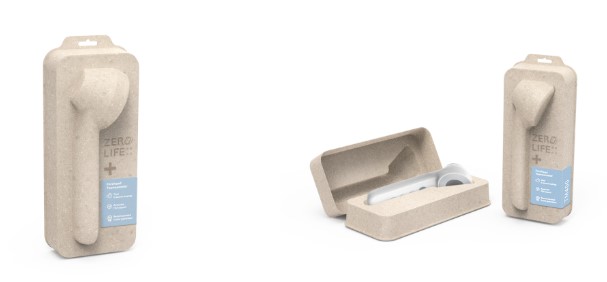
Design Details:
- Upper and lower cover design facilitates easy product extraction.
- The bottom cover is hollow to enhance protection against impact.
Key Features:
- Hanging hole design accommodates retail display needs.
- The product can also stand independently for better presentation.
Alcoholic Beverage Pulp Packing Design
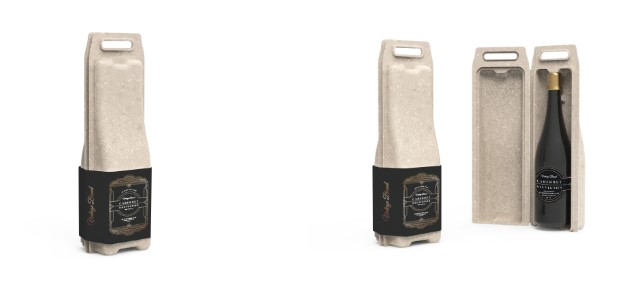
Design Details:
- The base is specially designed as a flat surface to support upright display.
- A neck clip inside the packaging secures the bottle firmly in place.
Key Features:
- Integrated handle for easy carrying, eliminating the need for additional bags.
- Dual protrusions on the base act as a protective structure during drops.
Soap Pulp Packing Design
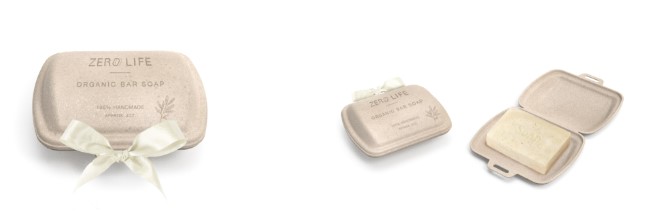
Design Details:
- Flip-top design for square soap packaging enhances stackability before use.
Key Features:
- Integrated holes for ribbon attachment elevate the packaging’s aesthetic appeal.
- Protective structure prevents soap from being damaged during transport.
Summary
Packaging design plays an indispensable role in today’s commercial environment. From market positioning to production, pulp packing design supports product launch and marketing success through well-thought-out processes.
The importance of pulp packing design lies not only in its artistic and scientific attributes but also in its significance as a key driver of business success.
Connect with our ZeroLife professional team on WhatsApp now to explore custom eco-friendly pulp packing solutions for your products!