
Pulp packing boxes combine the advantages of plant fibers and modern technology, offering biodegradability and durability. This article provides a comprehensive overview of their definition, application fields, manufacturing process, environmental benefits, and their use in the packaging industry. It also includes tips for selecting high-quality pulp packing boxes, helping consumers and businesses make the most of this eco-friendly material.
Definition of Pulp Packing Boxes
Pulp packing boxes, also known as molded pulp, fiber pulp, or pulp molding, are packaging materials typically made from recycled cardboard and newspaper. Designed for protective packaging or use in food and beverage containers, these materials are both eco-friendly and practical.
They combine the biodegradability of plant fibers with the durable shaping properties of modern technology. Widely used across various industries, pulp packing boxes not only reduce reliance on traditional plastics but also provide superior structural stability and versatility.
For customized eco-friendly packaging solutions, join our official Line account for direct inquiries!
Manufacturing Process of Pulp Packing Boxes
- Selection of Plant Fibers:
Depending on product requirements, materials like wood, bamboo, reeds, or sugarcane are chosen, all of which are naturally biodegradable. - Molding Technology:
Using molds, the material is shaped into products of various forms and sizes. - Thick-Walled Products:
These products, with a thickness of 3/16″ to 1/2″, are mainly used in protective packaging applications. They are produced using inexpensive single-pass molds and a mix of recycled paper slurry and kraft paper. - Transfer Molded Products:
This is the most commonly used type today, with a thickness ranging from 1/16″ to 3/16″. The process involves placing a specific amount of pulp in a heated chamber and using a plunger to force the pulp into a mold cavity via flow channels.
Often made from a high proportion or entirely recycled newspapers, these products feature a smooth surface on one side and a textured surface on the other, offering precision and clarity in their finish.
Advantages of Pulp Packing Boxes
- Recyclability and Biodegradability:
Made from natural plant fibers, these materials are highly recyclable and biodegradable, making them more environmentally friendly compared to traditional plastics. - Lightweight Design for Material Reduction:
Pulp packing boxes are thin and lightweight, significantly reducing raw material usage while maintaining packaging functionality. This improves resource efficiency. - Strong Structural Integrity and Protection:
Through specialized processes, pulp packing materials achieve greater strength and rigidity than regular paper, effectively protecting packaged goods from external impacts. - Attractive Aesthetic Designs:
Pulp packing boxes allow for diverse printing and shaping options, giving products a more appealing appearance and enhancing brand image.
Applications of Pulp Packing Boxes
As an eco-friendly, recyclable, and biodegradable material, pulp packing boxes offer exceptional protection and texture, making them suitable for various uses. Below are some design applications of pulp packing materials:
Pulp Packing Boxes for Fruits and Vegetables
This packaging features internal protrusions to stabilize fruits and vegetables, preventing them from rolling and colliding. The semi-open external design provides both display and protection functions. With a secure top-and-bottom lid structure, it minimizes the risk of damage from shaking or impact. The self-locking mechanism of the lids ensures stability and prevents accidental detachment.
Pulp Packing Boxes for Meat Products
Inspired by the shape of a cow, this meat packaging features a distinctive box design with top-and-bottom lids, making it highly recognizable. The exterior includes labels for classifying meat cuts, aiding consumers in their selection and assisting retailers with inventory management. Furthermore, the stackable design optimizes storage space by allowing boxes to be securely piled, saving valuable warehouse capacity.
Pulp Packaging for Food Containers
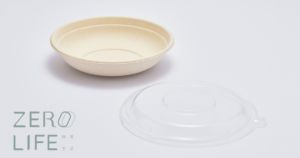
Since food safety is paramount, the containers, utensils, and packaging in contact with food significantly impact its quality. Made from natural plant fibers, pulp food containers, and baking boxes—like all ZeroLife products—are SGS-certified to ensure safety and peace of mind. These single-use pulp boxes combine biodegradability with convenience, aligning with environmental sustainability.
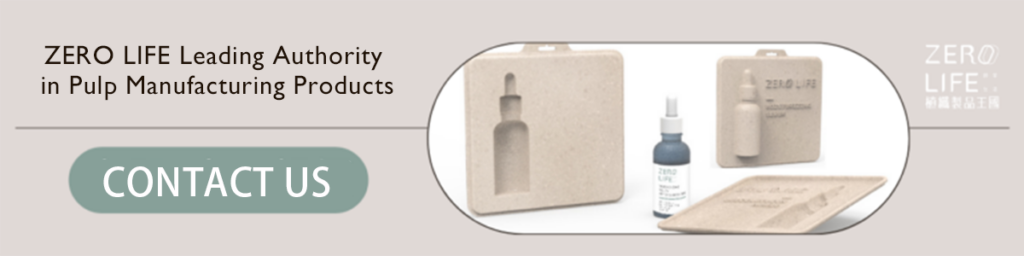
Pulp Packing Boxes for Bottled Shower Gel
Designed for product display, these packages have a flat base for stability, allowing upright placement. The top-and-bottom lids are easy to open, and the ample blank space provides a prominent area for branding.
Pulp Packing Boxes for Keyboards
The keyboard packaging features an integrated lid for easy access, with additional compartments for accessories. Designed to incorporate clasps and secure fittings, the packaging eliminates the need for separate inner linings, streamlining production and reducing labor costs associated with folding boxes and liners.
How to Choose High-Quality Pulp Packing Products
When selecting premium pulp packing products, consider the following factors:
- Eco-Certifications: Look for products with recognized environmental certifications.
- Material Quality: Ensure the thickness and strength of the pulp material meet your needs.
- Brand Reputation: Opt for products from reputable brands and manufacturers.
As a versatile and environmentally friendly material, pulp packing boxes suit various packaging and daily-use applications. Understanding their advantages and uses helps businesses and consumers make greener choices. If you’re interested in pulp packing products, visit ZeroLife for more information and to explore our premium offerings.
ZeroLife leverages the unique strengths and diversity of pulp packing materials to deliver aesthetically pleasing and sustainable packaging solutions. For bulk production at factory-direct prices, contact us via our official WhatsApp account.