Eco-friendly product packaging is a vital step for companies to fulfill social responsibilities and meet consumers’ demand for sustainability. Through innovative design and production technologies, businesses can minimize the environmental impact of their packaging and achieve sustainable development.
This article explores the importance of eco-friendly product packaging, its design principles, and practical guidelines to help companies create a sustainable future.
Definition of Eco-Friendly Product Packaging
Eco-friendly product packaging integrates environmental and sustainable development considerations into packaging design to reduce environmental impact and resource consumption.
This includes using renewable and recyclable materials, designing packaging for reuse, or enabling it to be part of a circular economy.
Design Principles of Eco-Friendly Product Packaging
The principles of designing eco-friendly product packaging include reducing the use of packaging materials and understanding the characteristics of sustainable materials. To implement eco-friendly packaging, companies should consider environmental factors throughout the entire process—from design to production.
This involves selecting suitable materials, optimizing design, enabling reuse or recycling, and adopting eco-friendly production techniques that minimize carbon emissions. Collectively, these efforts contribute to a sustainable packaging ecosystem.
By adopting eco-friendly packaging, companies can shape a more sustainable future. The Zerolife is committed to promoting green packaging, offering factory-direct pricing that combines environmental sustainability with cost efficiency.
For more information, join our official Line account for inquiries!
The Green Packaging of the Zerolife
As a company dedicated to plant fiber products, the Zerolife is committed to promoting eco-friendly and sustainable practices. They provide green packaging solutions that align with the principles and goals of the SDGs.
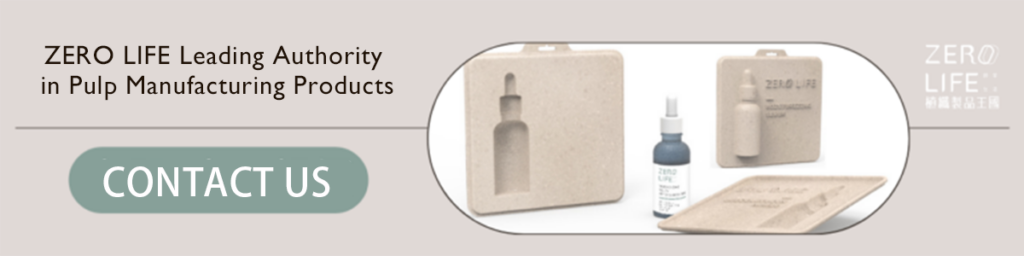
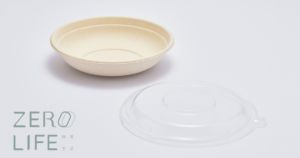
The Zerolife uses natural plant fiber materials that are biodegradable and environmentally friendly. Their packaging designs focus on both product protection and aesthetic appeal, offering a green, high-quality packaging option.
By utilizing plant fiber materials, these packaging boxes reduce environmental pollution and resource waste. For more information about pulp packing boxes, contact us through our official Line account!
The 5 Key Aspects of Eco-Friendly Product Packaging
- Choosing Eco-Friendly Materials:
When designing eco-friendly packaging, opt for renewable and recyclable materials such as paper and plant fibers. These materials help reduce pollution and minimize resource waste. - Minimalist Design:
Simplified designs reduce the amount of packaging material used while making the product stand out. Minimalist packaging also helps consumers better understand the product’s features and functionality. - Reuse and Recycling:
Design packaging that can be reused or recycled, fostering the circular economy and maintaining or even enhancing the product’s value. - Eco-Friendly Technologies and Production Processes:
Use eco-friendly production methods, such as low-carbon and clean production technologies, to minimize environmental impact while improving the quality and value of the product. - Market Trends and Case Studies:
Understanding market trends and analyzing successful examples from other companies can provide valuable insights for innovating and implementing eco-friendly packaging solutions.
By focusing on these aspects, businesses can create attractive and valuable eco-friendly packaging that provides a competitive edge and enhances brand image.
Through innovative design and production techniques, companies can significantly reduce the environmental impact of their packaging and achieve sustainable development.
For customized eco-friendly packaging solutions, join our official Line account for direct inquiries!