
Cardboard Innovation: A Step Toward Sustainable Living
Did you know that packaging accounts for a substantial percentage of global waste? As we continue to grapple with climate change and plastic pollution, innovative solutions like cardboard-based packaging are stepping into the spotlight. Cardboard innovations, including plant fiber meal boxes, are not only reducing our dependence on plastic but also actively supporting a sustainable future. From reducing environmental waste to offering functional yet eco-friendly alternatives, these solutions are making a global impact for consumers and businesses alike.
How Cardboard Innovation is Driving Real Environmental Change
Cardboard innovation is revolutionizing the way we think about packaging. Traditionally, single-use plastics dominated the market, but their detrimental impact on the environment is fueling a shift. With cardboard packaging, we’re seeing practical, sustainable alternatives that balance functionality with long-term environmental benefits.
Why Cardboard Outshines Plastic Packaging
The rise of cardboard packaging solutions can be attributed to their incredible environmental benefits:
- Biodegradability: Unlike plastics, cardboard naturally decomposes, reducing strain on landfills and pollution levels.
- Recyclability: Cardboard is easily recyclable, ensuring materials can be reused many times before their life cycle ends.
- Lesser Energy Costs: Manufacturing cardboard uses significantly less energy compared to creating plastic packaging.
- Versatility: From meal boxes to shipping containers, cardboard serves a broad spectrum of purposes while adhering to sustainability principles.
What’s even better is the role innovative designs, like plant fiber-based meal boxes, are playing in amplifying these benefits. Let’s take a closer look.
The Eco-Friendly Shift: Plant Fiber Meal Boxes
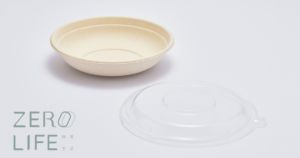
When it comes to food packaging, finding sustainable solutions is critical. Plant fiber meal boxes are emerging as a game-changing innovation for both consumers and businesses. These boxes are crafted from agricultural waste such as sugarcane bagasse, wheat straw, or bamboo pulp, eliminating the need for virgin resources and plastic-based packaging.
The Benefits of Plant Fiber Meal Boxes
Here’s why plant fiber meal boxes are quickly becoming a preferred alternative in eco-friendly packaging:
- Zero Toxicity: Unlike plastic or styrofoam, these meal boxes are chemical-free, ensuring no harmful toxins seep into food.
- Compostable: Plant fiber meal boxes can break down in an industrial composting setup or even home compost pits.
- Durability: Despite being made from plant materials, these boxes are sturdy, heat-resistant, and perfect for both hot and cold food items.
- Cost-Effective: As global demand rises, economies of scale are reducing production costs, making this innovation accessible to businesses of all sizes.
I personally love these meal boxes because they’ve replaced the plastic takeout containers I used regularly. They offer the same convenience but with a clear conscience, knowing I’m contributing to a healthier planet.
Real-World Applications of Cardboard-Based Packaging
The versatility of plant fiber meal boxes and other cardboard packaging designs is astounding. Here are some examples of how they’re being used effectively:
- Restaurants and Cafes: Many eateries are switching to plant fiber meal boxes for takeout orders, eliminating their reliance on plastic containers.
- Corporate Lunch Programs: Companies aiming to adopt sustainable practices are now using compostable meal boxes for their catered events and employee meals.
- Eco-Friendly Events: Festivals, weddings, and community gatherings are adopting cardboard-based plates, trays, and boxes to minimize plastic waste.
These solutions aren’t just limited to food packaging. Businesses are now using innovative cardboard designs to ship products, wrap fragile items, and even replace traditional gift wrap with biodegradable versions.
How You Can Support Cardboard Innovation
Cardboard innovations, while groundbreaking, won’t succeed without widespread consumer and business adoption. Here are a few simple steps you can take to integrate these solutions into your life:
For Individual Consumers
- Support Businesses That Use Eco-Friendly Packaging: When ordering takeout or purchasing products, choose businesses that prioritize sustainable packaging.
- Compost Where Possible: If you use plant fiber meal boxes, dispose of them in your compost bin to complete the cycle of sustainability.
- Reduce Single-Use Plastics at Home: Replace plastic storage containers with cardboard boxes or fiber-based alternatives whenever possible.
For Business Owners
- Switch to Sustainable Suppliers: Partner with vendors offering cardboard packaging solutions instead of traditional plastic options.
- Educate Customers: Share information about your shift to eco-friendly packaging with your customers, encouraging them to recycle or compost it responsibly.
- Optimize Packaging Sizes: Reduce unnecessary material waste by opting for customized packaging that fits your products perfectly.
The Future of Cardboard Innovation
The advancements in cardboard packaging are just the beginning of a larger sustainability journey. As technologies evolve, we can expect to see enhanced designs with even better functionality and durability. Imagine a future where all single-use plastics are replaced by compostable cardboard alternatives, where waste is no longer a threat to our oceans, and where packaging contributes positively to the environment instead of polluting it.
By supporting and embracing innovations like plant fiber meal boxes today, each of us plays a small but significant role in making that vision a reality. Whether it’s through personal choices or business practices, cardboard innovation offers a sustainable path forward that benefits the planet, economy, and us all.
Final Thoughts on Cardboard Innovation
Sustainability is no longer just a buzzword—it’s a necessity. Cardboard innovation, especially when it comes to plant fiber meal boxes, is a shining example of how we can tackle the global waste crisis effectively. With their biodegradability, recyclability, and eco-conscious production methods, these designs offer a tangible solution to reduce our environmental footprint.
Making the switch to sustainable packaging is easier than ever. So, whether you’re swapping plastic takeout boxes for plant fiber ones or encouraging your favorite businesses to adopt eco-friendly options, now’s the time to act. Together, we can embrace cardboard innovation as a catalyst for real change, one meal box at a time.
—
*If you found this post helpful, feel free to share it with others striving for a sustainable future. Let’s spread the word about the power of cardboard innovation!*